Florida Homeowners Finally See Insurance Relief After Years of Turmoil
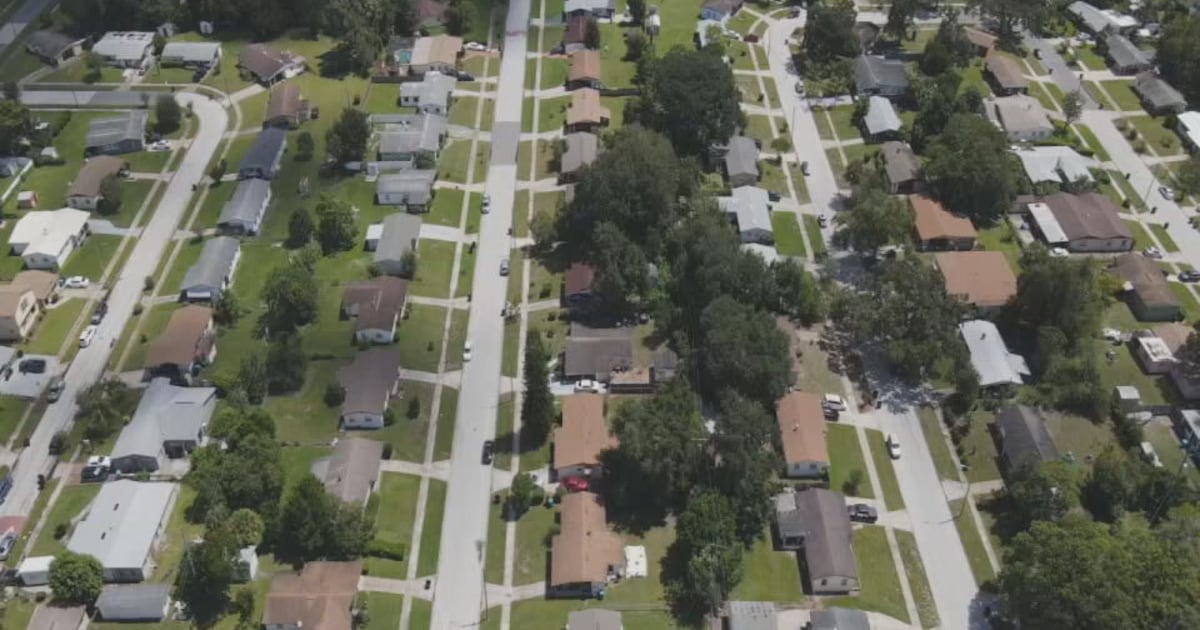
Good news is finally arriving for Florida homeowners. After years of soaring premiums, dropped policies, and ongoing market instability, the state’s property insurance landscape is—in a refreshing twist—beginning to rebound. For the first time in years, Floridians may actually see their rates drop, a shift many hoped for but few expected so soon.
According to recent reporting from
WFTV Channel 9,
Governor Ron DeSantis confirmed that insurers have filed an impressive
83 requests for rate decreases along with another 100 filings requesting no increase at all.
After years of painful headlines for homeowners, this shift signals a market that may be stabilizing faster than many industry analysts predicted.
Major Insurers Step Forward With Meaningful Reductions
Two major carriers are already making waves: Florida Peninsula is seeking approval for an average 8.4% rate cut, while Patriot Select Insurance Company is filing for a notable 11.3% reduction.
These decreases still require state regulatory approval, but their filings alone mark an industry turning point—insurers now believe they can lower premiums while still supporting claims effectively.
“Carriers believe that they can lower their rates and still support claims that may come in. That’s a positive sign,” noted insurance agent Tom Cotton, emphasizing that reductions may vary by region based on actuarial review.
Some Floridians may feel the relief sooner than others. Heritage Property policyholders in Orange, Seminole, and Osceola counties could see decreases as early as next month—especially Seminole County, which may enjoy close to a 10% reduction.
A Market Slowly—but Steadily—Moving in the Right Direction
Even ahead of these filings, subtle signs of improvement were emerging. Bankrate data shows the average annual premium for a $300,000 Florida home fell from over $6,300 in 2023 to just above $5,700 last year. Still high—yes—but movement in the right direction is a win worth celebrating.
Citizens Property Insurance, once the overloaded insurer of last resort, is also reporting significant changes. Policy counts dropped from 1.4 million in 2023 to under 400,000 today. This shift indicates that private insurers are re-entering the market and restoring the competition that Florida homeowners desperately need.
What This Means for Florida’s Insurance Professionals
Florida’s insurance industry is transitioning into a renewal phase—one that demands well-trained professionals who understand evolving regulations, consumer concerns, and market dynamics.
Whether you’re beginning a new career or upgrading an existing license, now is the moment to strengthen your expertise.
If you’re ready to advance professionally, Cameron Academy offers flexible, industry‑focused licensing courses built for today’s rapidly changing market.
Insurance professionals across Florida trust Cameron Academy to stay compliant, informed, and competitive in their careers.
Explore the Original Source
For full video coverage, interviews, and live updates, visit the original report on
WFTV Channel 9.
Their coverage continues to help Floridians stay informed in this fast-evolving market.
More Articles
Getting licensed or staying ahead in your career can be a journey—but it doesn’t have to be overwhelming. Grab your favorite coffee or tea, take a moment to relax, and browse through our articles. Whether you’re just starting out or renewing your expertise, we’ve got tips, insights, and advice to keep you moving forward. Here’s to your success—one sip and one step at a time!
Commercial real estate is entering a decade of major transformation driven by interest rate pressures, evolving work culture, rapid proptech innovation, and growing demand for AI-focused infrastructure. While the global CRE market is projected to reach $133.5 trillion by 2028, rising rates, shifting office demand, and increasing sustainability requirements are reshaping how professionals invest, manage, and develop properties. By 2030, the biggest opportunities will center on mixed‑use conversions, data center growth, premium office spaces, and ESG‑driven upgrades.
The National Association of Realtors’ landmark antitrust settlement is transforming how real estate agents negotiate compensation, work with buyers, and handle transparency in transactions. With MLS‑posted buyer‑broker commissions eliminated and written buyer agreements now required, both consumers and professionals are navigating a new, more transparent landscape. While commission levels have only dipped slightly, the real shift is in how openly compensation is discussed and negotiated—creating new challenges and opportunities for agents who adapt quickly.
Artificial intelligence is no longer a novelty in real estate — 2025 marks its breakthrough year as a dependable pillar of the proptech industry. With investors pouring capital into AI‑powered forecasting, security, automation, and property management tools, the sector is shifting from experimentation to full‑scale adoption. Brokerages, developers, and institutional players now rely on AI to streamline due diligence, enhance market modeling, reduce risk, and optimize building operations. As adoption accelerates, professionals who understand and leverage these technologies are gaining a decisive competitive edge in fast‑moving markets like Florida.
A new episode of Current Account breaks down why the insurance industry is heading into 2026 with more uncertainty — and more opportunity — than ever. From shifting global regulations and rising catastrophe risks to FSOC’s evolving role in the U.S., industry leaders Jérôme Haegeli and Philippe Brahin explain how insurers are being pushed to rethink strategy in real time. With global premium growth expected to slow and regulatory pressures rising, professionals in insurance and financial services are turning to education and new skills to stay ahead in a rapidly changing market.
New Jersey is quietly becoming one of the hottest commercial real estate markets in the nation, with Jersey City and North Jersey breaking into the top 10 in PwC’s 2026 Emerging Trends report. Fueled by redevelopment momentum, data‑center demand, mixed‑use transformations and a surge in health‑care projects, the state is drawing major investors while still battling rising construction costs and municipal fatigue. For real estate professionals, the Garden State’s evolution signals fresh opportunity—and a market worth watching closely heading into 2026.
The National Council of Insurance Legislators is pushing back against President Trump’s new executive order on artificial intelligence, arguing that it threatens decades of state‑based insurance oversight. NCOIL leaders say federal attempts to centralize AI authority could disrupt markets, weaken consumer protections, and limit states’ ability to innovate—setting the stage for a significant legal and political battle with major implications for insurance professionals who rely on AI‑driven tools and regulatory clarity.