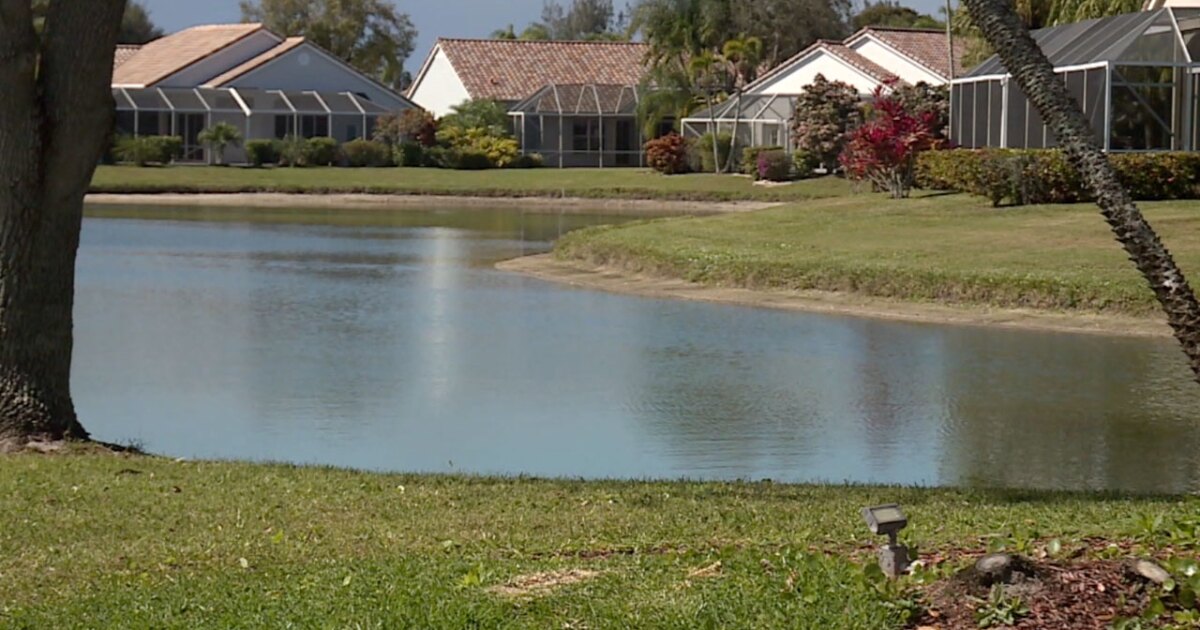
Florida Homeowners Finally See Insurance Relief After Years of Climbing Rates

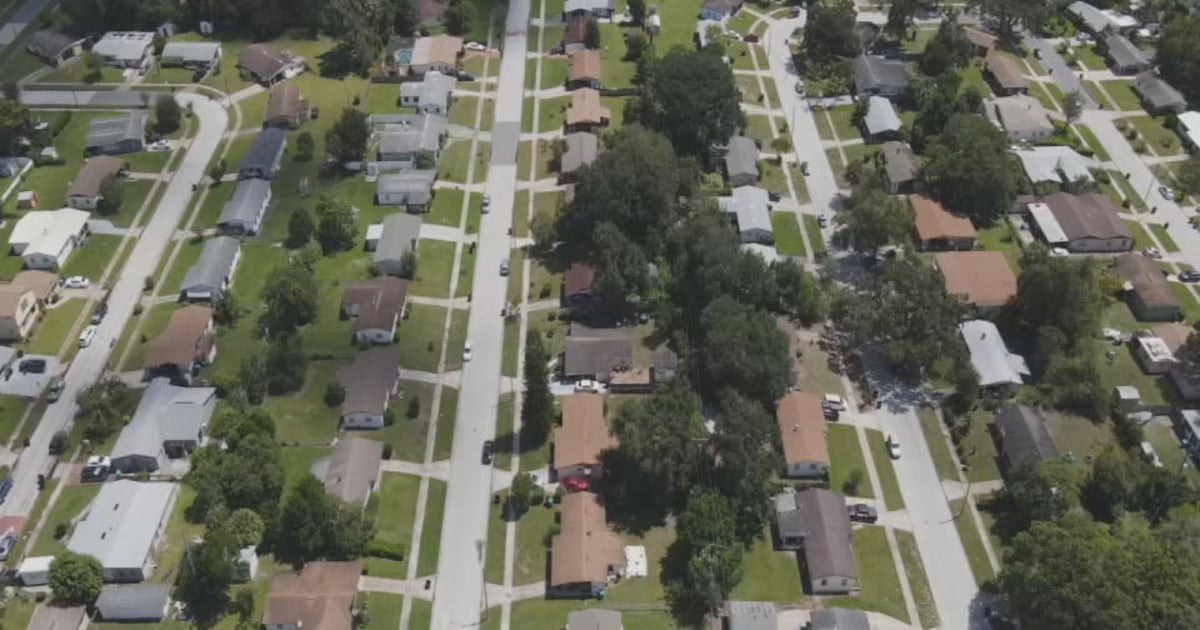
Florida suburban neighborhood aerial view

After years of escalating premiums and insurers exiting the state, Florida homeowners are finally catching a much‑needed break. According to a new report from WFTV Channel 9, several insurers are preparing to lower rates statewide—marking one of the most promising shifts in Florida’s volatile insurance market in nearly a decade.

Dozens of Insurers File for Rate Decreases

Governor Ron DeSantis announced that as of January 2026, Florida insurers have filed 83 requests for rate decreases and 100 filings for no increase. This is a dramatic reversal from the relentless double‑digit rate spikes residents have faced for years.

Some major providers are leading the charge. Florida Peninsula is awaiting approval for an average 8.4% rate drop, while Patriot Select Insurance Company aims for a bold 11.3% reduction. These shifts are largely attributed to 2022 legislative reforms targeting lawsuit abuse and improving claims processing—core issues that once drove carriers out of the state.

What Homeowners Can Expect

Insurance agent Tom Cotton notes that changes will vary by region. “That might not necessarily be a double-digit rate decrease where you live,” he explained. “It might be in the Tri‑County area. It might be on the West Coast. But the fact that carriers believe they can lower their rates and still support claims is a positive sign.”

All reductions must undergo regulatory review to ensure proposals are both adequate and non‑excessive. An 8% drop might ultimately land at 6% or 5%—but momentum is finally shifting in favor of homeowners.

Some Counties Already Seeing Relief

Several cuts are already in motion. Heritage Property policyholders in Orange, Seminole, and Osceola counties could begin seeing lower premiums as early as next month, with Seminole County residents expecting nearly a 10% decrease.

Even before these changes, the market showed improvement. Bankrate reports the average homeowner with a $300,000 property paid just over $5,700 last year—down from more than $6,300 in 2023. Meanwhile, Citizens Property Insurance, once holding over 1.4 million policies, has dropped below 400,000. This indicates a healthier competitive landscape as private insurers return.

What This Means for Florida Real Estate and Insurance Professionals

Lower premiums strengthen buyer confidence, reduce closing friction, and enhance affordability—major advantages for real estate agents, mortgage experts, and insurance advisors. Staying up to date on shifts like these is crucial for professionals guiding clients through Florida’s evolving property market.

For those looking to upgrade skills, renew licensing, or break into real estate or insurance, Cameron Academy offers flexible, state‑approved programs across Florida and all 50 states. Whether you’re advancing your career or entering a new field, staying informed about market changes gives you a powerful professional edge.

More Articles

Getting licensed or staying ahead in your career can be a journey—but it doesn’t have to be overwhelming. Grab your favorite coffee or tea, take a moment to relax, and browse through our articles. Whether you’re just starting out or renewing your expertise, we’ve got tips, insights, and advice to keep you moving forward. Here’s to your success—one sip and one step at a time!

Emerging Trends Shaping the Future of Commercial Real Estate

Commercial real estate is undergoing rapid transformation driven by flexible workspaces, booming industrial demand, sustainability priorities, and advanced building technology. As tenant expectations evolve, investors and professionals who adapt to modular work environments, e-commerce driven logistics growth, green building standards, and tech integrated properties will be best positioned for long term success in an increasingly dynamic market.

Florida Ends Insurance Surcharge Early, Delivering 650 Million Dollars in Statewide Savings

Florida homeowners are getting long-awaited relief as the state ends its 1 percent insurance surcharge two years ahead of schedule. The charge, originally added after multiple insurer failures, will officially conclude on October 1, saving residents an estimated 650 million dollars. While individual savings average about 31 dollars per policy, the move signals a healthier and more stable insurance market—welcome news for homeowners, buyers, and real estate professionals across the state.

Real Estate Tech Gets Smarter: AI, Integrations, and Faster Listing Prep

This week’s biggest real estate tech updates are reshaping how agents market listings, how builders present inventory, and how sellers prep their homes. Canva and Rechat now offer a seamless MLS‑to‑marketing workflow, PulteGroup is expanding AI to create consistent digital listings, and Simplify Home is accelerating pre‑listing improvements with pay‑at‑closing options. These innovations highlight a clear trend: real estate pros who embrace smarter tools will move faster and win more business.

Starting Your Career? New Study Reveals the Best and Worst States for Young Professionals

A new national analysis shows that where you choose to launch your career can dramatically impact your early financial stability, job growth, and long‑term success. Wyoming, Vermont, and the Dakotas offer the strongest opportunities for entry‑level professionals thanks to abundant jobs and affordable housing. Meanwhile, states like California and Hawaii present steep challenges with extremely limited openings and sky‑high living costs. For those eyeing real estate, mortgage, insurance, or finance careers, Florida remains competitive but promising—and Cameron Academy is ready to help you get licensed and career‑ready no matter where you start.

Florida House Advances Major Housing Bill Amid Concerns Over Sprawl

Florida lawmakers have approved HB 399, a sweeping land‑use overhaul that aims to expand housing supply but has sparked concern over weakened local authority and potential sprawl. Supporters argue the bill will ease affordability pressures, while opponents warn it sidelines voter-approved growth protections and shifts too much power toward developers. The measure now moves to the Senate, positioning it as a pivotal issue for real estate professionals navigating Florida’s evolving regulatory landscape.

Florida Keys Buyers Gain the Upper Hand as Market Shifts Toward 2026

A new study shows that buyers in the Florida Keys are gaining more influence over pricing and negotiations, signaling a cooling and maturing market heading into 2026. With increased leverage on the buyer side, real estate professionals must adapt their strategies—sharpening pricing analysis, negotiation skills, and market insights—to stay competitive in a shifting Monroe County landscape.