Florida Homeowners Finally See Insurance Relief After Years of Climbing Rates

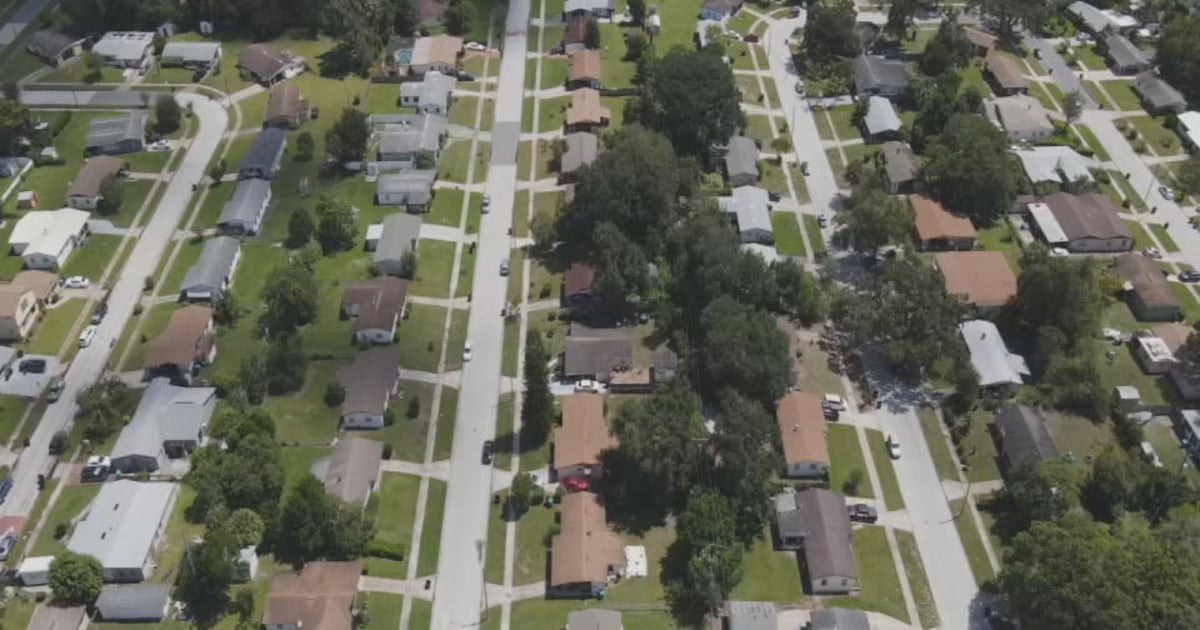
Florida suburban neighborhood aerial view

After years of escalating premiums and insurers exiting the state, Florida homeowners are finally catching a much‑needed break. According to a new report from WFTV Channel 9, several insurers are preparing to lower rates statewide—marking one of the most promising shifts in Florida’s volatile insurance market in nearly a decade.

Dozens of Insurers File for Rate Decreases

Governor Ron DeSantis announced that as of January 2026, Florida insurers have filed 83 requests for rate decreases and 100 filings for no increase. This is a dramatic reversal from the relentless double‑digit rate spikes residents have faced for years.

Some major providers are leading the charge. Florida Peninsula is awaiting approval for an average 8.4% rate drop, while Patriot Select Insurance Company aims for a bold 11.3% reduction. These shifts are largely attributed to 2022 legislative reforms targeting lawsuit abuse and improving claims processing—core issues that once drove carriers out of the state.

What Homeowners Can Expect

Insurance agent Tom Cotton notes that changes will vary by region. “That might not necessarily be a double-digit rate decrease where you live,” he explained. “It might be in the Tri‑County area. It might be on the West Coast. But the fact that carriers believe they can lower their rates and still support claims is a positive sign.”

All reductions must undergo regulatory review to ensure proposals are both adequate and non‑excessive. An 8% drop might ultimately land at 6% or 5%—but momentum is finally shifting in favor of homeowners.

Some Counties Already Seeing Relief

Several cuts are already in motion. Heritage Property policyholders in Orange, Seminole, and Osceola counties could begin seeing lower premiums as early as next month, with Seminole County residents expecting nearly a 10% decrease.

Even before these changes, the market showed improvement. Bankrate reports the average homeowner with a $300,000 property paid just over $5,700 last year—down from more than $6,300 in 2023. Meanwhile, Citizens Property Insurance, once holding over 1.4 million policies, has dropped below 400,000. This indicates a healthier competitive landscape as private insurers return.

What This Means for Florida Real Estate and Insurance Professionals

Lower premiums strengthen buyer confidence, reduce closing friction, and enhance affordability—major advantages for real estate agents, mortgage experts, and insurance advisors. Staying up to date on shifts like these is crucial for professionals guiding clients through Florida’s evolving property market.

For those looking to upgrade skills, renew licensing, or break into real estate or insurance, Cameron Academy offers flexible, state‑approved programs across Florida and all 50 states. Whether you’re advancing your career or entering a new field, staying informed about market changes gives you a powerful professional edge.

More Articles

Getting licensed or staying ahead in your career can be a journey—but it doesn’t have to be overwhelming. Grab your favorite coffee or tea, take a moment to relax, and browse through our articles. Whether you’re just starting out or renewing your expertise, we’ve got tips, insights, and advice to keep you moving forward. Here’s to your success—one sip and one step at a time!

Mortgage Rates Drop for the Holidays, but Homebuyers Aren’t Budging

The average 30-year mortgage rate slipped to 6.18% just before Christmas, offering a small break from last year’s higher levels. Yet despite the improvement, mortgage applications for purchases and refinances have fallen to a three‑month low as buyers remain cautious. With mixed rate movements, fluctuating Treasury yields, and affordability challenges still weighing on first‑time buyers, the market is showing signs of stability but not momentum. Real estate professionals who stay informed on these shifting conditions will be best positioned to guide clients in 2026.

Premium U.S. CRE Soars as Smaller Markets Slide: A New Two‑Tier Reality Takes Hold

New CoStar data shows a widening split in the U.S. commercial real estate market, with high-value office towers, industrial hubs and major retail assets posting steady gains while smaller properties in secondary markets continue to lose ground. Premium assets logged their sixth straight monthly price increase in November, boosted by falling interest rates and limited new construction, while lower‑tier properties saw continued price declines and weakening demand.

Microsoft’s New Licensing Overhaul Hits Healthcare Budgets: What Leaders Must Prepare For Now

Microsoft has eliminated long‑standing volume discounts on cloud services like Microsoft 365, Power BI, Intune and Defender, meaning healthcare organizations will soon pay the same price per seat whether they purchase 100 or 10,000 licenses. With the change taking effect at renewal, hospitals and health systems must begin auditing unused licenses, right‑sizing staff tiers, and re‑evaluating digital workflows to avoid major cost spikes. CDW is stepping in with advisory support, cost‑optimization tools, and flexible CSP options to help organizations navigate the transition before budgets tighten further.

Where America Is Building the Most Homes in 2026 — And Why It Matters to Your Career

America is still short nearly 2.8 million homes, and in 2026 the states driving the bulk of new construction are once again Florida and Texas. With the South producing more than half of all new building permits nationwide, these regions are shaping the future of inventory, affordability, and opportunity. For real estate, mortgage, insurance, and finance professionals, the surge in Southern homebuilding—especially in Florida—signals expanding career potential as new inventory enters the market and demand for licensed experts continues to rise.

Irondequoit Tops the List as America’s Most Competitive Housing Market

A new Redfin report crowns Irondequoit, New York as the nation’s most competitive housing market, with homes selling in just 8.5 days and often above asking. Priced at a median of $249,132, the lakeside suburb is drawing buyers seeking affordability and speed. The surprising lineup of competing markets—from Bay Area tech hubs to Rust Belt metros—highlights a shifting post‑pandemic housing landscape where affordability pressures and regional disparities continue to shape buyer behavior.

Alaska Tightens TPA Licensing Rules Ahead of 2026: Key Changes Professionals Must Prepare For

Alaska has overhauled its Third Party Administrator licensing rules, eliminating major long‑standing exemptions and pulling many previously exempt organizations into full licensing requirements starting January 1, 2026. Under Senate Bill 132 and Bulletin B 25‑09, TPAs must now review their operations, prepare documentation, and monitor upcoming state guidance as Alaska moves toward stricter oversight and stronger consumer protection.