Florida Homeowners Finally See Insurance Relief After Years of Climbing Rates

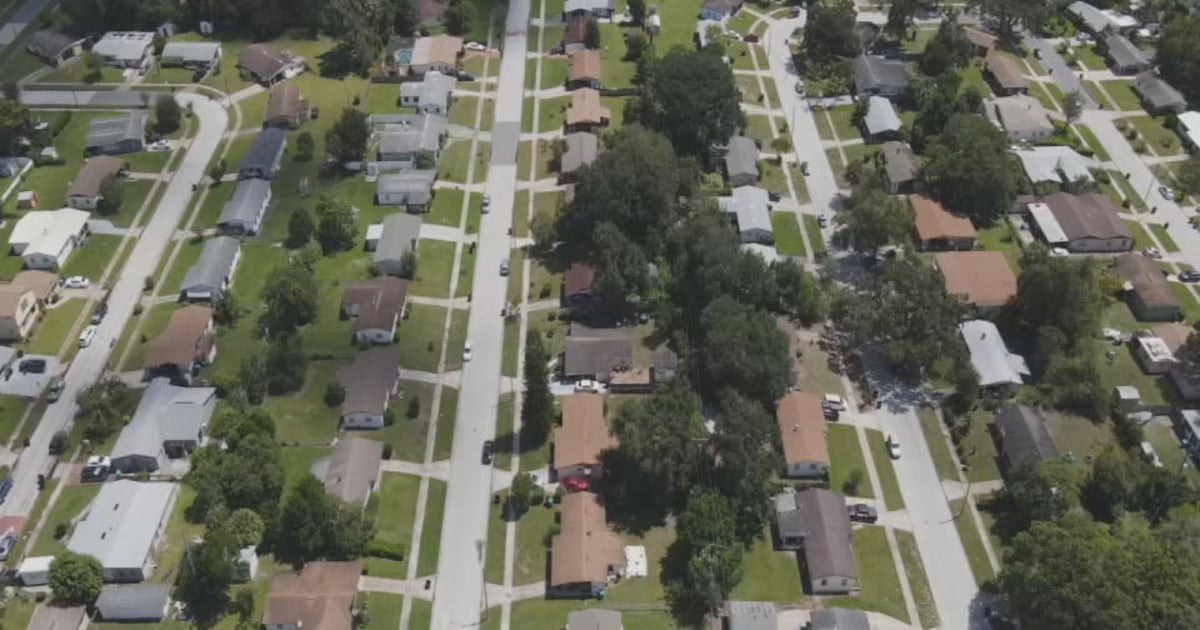
Florida suburban neighborhood aerial view

After years of escalating premiums and insurers exiting the state, Florida homeowners are finally catching a much‑needed break. According to a new report from WFTV Channel 9, several insurers are preparing to lower rates statewide—marking one of the most promising shifts in Florida’s volatile insurance market in nearly a decade.

Dozens of Insurers File for Rate Decreases

Governor Ron DeSantis announced that as of January 2026, Florida insurers have filed 83 requests for rate decreases and 100 filings for no increase. This is a dramatic reversal from the relentless double‑digit rate spikes residents have faced for years.

Some major providers are leading the charge. Florida Peninsula is awaiting approval for an average 8.4% rate drop, while Patriot Select Insurance Company aims for a bold 11.3% reduction. These shifts are largely attributed to 2022 legislative reforms targeting lawsuit abuse and improving claims processing—core issues that once drove carriers out of the state.

What Homeowners Can Expect

Insurance agent Tom Cotton notes that changes will vary by region. “That might not necessarily be a double-digit rate decrease where you live,” he explained. “It might be in the Tri‑County area. It might be on the West Coast. But the fact that carriers believe they can lower their rates and still support claims is a positive sign.”

All reductions must undergo regulatory review to ensure proposals are both adequate and non‑excessive. An 8% drop might ultimately land at 6% or 5%—but momentum is finally shifting in favor of homeowners.

Some Counties Already Seeing Relief

Several cuts are already in motion. Heritage Property policyholders in Orange, Seminole, and Osceola counties could begin seeing lower premiums as early as next month, with Seminole County residents expecting nearly a 10% decrease.

Even before these changes, the market showed improvement. Bankrate reports the average homeowner with a $300,000 property paid just over $5,700 last year—down from more than $6,300 in 2023. Meanwhile, Citizens Property Insurance, once holding over 1.4 million policies, has dropped below 400,000. This indicates a healthier competitive landscape as private insurers return.

What This Means for Florida Real Estate and Insurance Professionals

Lower premiums strengthen buyer confidence, reduce closing friction, and enhance affordability—major advantages for real estate agents, mortgage experts, and insurance advisors. Staying up to date on shifts like these is crucial for professionals guiding clients through Florida’s evolving property market.

For those looking to upgrade skills, renew licensing, or break into real estate or insurance, Cameron Academy offers flexible, state‑approved programs across Florida and all 50 states. Whether you’re advancing your career or entering a new field, staying informed about market changes gives you a powerful professional edge.

More Articles

Getting licensed or staying ahead in your career can be a journey—but it doesn’t have to be overwhelming. Grab your favorite coffee or tea, take a moment to relax, and browse through our articles. Whether you’re just starting out or renewing your expertise, we’ve got tips, insights, and advice to keep you moving forward. Here’s to your success—one sip and one step at a time!

Emerging Greenhouse Risks and Insurance Trends Shaping 2026

The greenhouse industry is entering 2026 with a complex wave of overlapping risks — from rising insurance costs and extreme weather to cyber threats, labor shortages, and unstable supply chains. These challenges aren’t isolated; they compound one another, increasing pressure on growers and business owners alike. Insights from industry experts reveal the key trends shaping risk management in the year ahead and what operators must do now to stay resilient.

Bank Regulations Are Shifting — How New FDIC Rules Are Reshaping Commercial Real Estate

New FDIC reporting rules are changing how banks classify and disclose commercial real estate loans, replacing the old Troubled Debt Restructuring label with clearer “financial difficulty” modifications and expanding transparency across structured products and capital requirements. These updates may briefly tighten lending but ultimately promise stronger liquidity, cleaner risk data, and more predictable CRE financing as banks adapt.

AI in Real Estate: The Market Shift Every Professional Must Prepare For

Artificial intelligence is no longer an upcoming trend—it's already reshaping how real estate professionals work, compete, and win. With the AI real estate sector set to surge from $222B in 2024 to nearly $1T by 2029, the industry is undergoing a rapid transformation in valuations, virtual tours, listings, investment analysis, and client management. Agents and investors who embrace AI tools are gaining unprecedented efficiency and insight, while those who resist risk falling behind.

The 50‑Year Mortgage Debate: Lifeline for Buyers or Decades of Debt?

The Federal Housing Finance Agency is weighing the idea of 50‑year mortgages, a move that could make monthly payments more affordable but dramatically increase total interest costs. Supporters say it may help young professionals break into the housing market, while critics warn it could trap families in half a century of debt. As the industry debates this controversial loan option, real estate and mortgage professionals must stay informed to guide clients through the shifting landscape.

December Mortgage Outlook: Why Rates May Rise Despite Market Confusion

December is shaping up to be another unpredictable month for mortgage rates. With the Federal Reserve signaling mixed messages, key economic reports running behind schedule, and lenders already looking ahead to 2026, rates could face upward pressure. Experts from Fannie Mae and the MBA project an average 30‑year rate around 6.3% for late 2025, suggesting a potential December bump. For real estate and mortgage professionals, understanding this volatility isn’t just helpful — it’s a competitive edge.

The Housing Market Hits a Winter Chill

Sellers are cutting prices at record levels, delistings are surging to highs not seen since 2017, and buyers remain hesitant despite slightly lower mortgage rates. With affordability still strained and new construction slowing, the 2025 housing market is entering a deeper‑than‑usual winter slowdown marked by caution on all sides.