Florida’s Homeowners Face Soaring Insurance Premiums as Reform Efforts Heat Up
Florida homeowners are facing some of the highest insurance premiums in the nation, according to new findings highlighted by WPTV News Channel 5. With premiums averaging $5,838 per year—roughly $3,000 above the national average—many residents say the rising costs are pushing them to the brink.
‘Everything’s Tripled’ — Homeowners Sound Off
For West Palm Beach resident Jeff Heun, the numbers aren’t just statistics—they’ve reshaped his life. Once paying $3,400 for insurance, Heun told WPTV’s Joel Lopez that premiums have ballooned dramatically.
“Oh yeah, everything’s tripled,” Heun said. “I was gonna file a claim but I would have had my premiums doubled.”
Another resident shared that mandatory wind coverage and rising premiums are draining his household budget. He’d rather spend money upgrading windows and doors, but mortgage requirements force him to maintain costly coverage.
Interactive Insight
Hover, tap, or scroll through this box to absorb key points. Florida’s insurance landscape is shifting fast—professionals in real estate, insurance, and finance should stay prepared to answer clients’ toughest questions.
Some Floridians Opting Out Entirely
WPTV also spoke with a woman who hasn’t carried homeowners insurance in 25 years, choosing instead to set aside funds for emergencies. While risky, her situation highlights the difficult choices Floridians face: pay high premiums, dip into savings, or go uninsured.
Denied Claims and Delayed Help
In Loxahatchee, Bob and Pam Fix dealt with more than $40,000 in tornado damage. Their insurer initially offered just $4,500—later adjusted to $7,000—until a WPTV investigation by Kate Hussey helped secure the full amount needed for repairs.
Dr. Martin Weiss, founder of Weiss Ratings, warned that unless Florida reverses course, the crisis could accelerate. He and Florida Senator Carlos Guillermo Smith are pushing for stronger consumer protections and transparency between insurers and affiliated managing general agents.
“Floridians cannot afford to pay the highest property insurance premiums in the nation,” Smith said. He and fellow Democratic leaders are introducing multiple reform proposals—capping rate increases, removing taxes on impact-resistant upgrades, and more.
The Stakes for Florida Homeowners
Recent figures show:
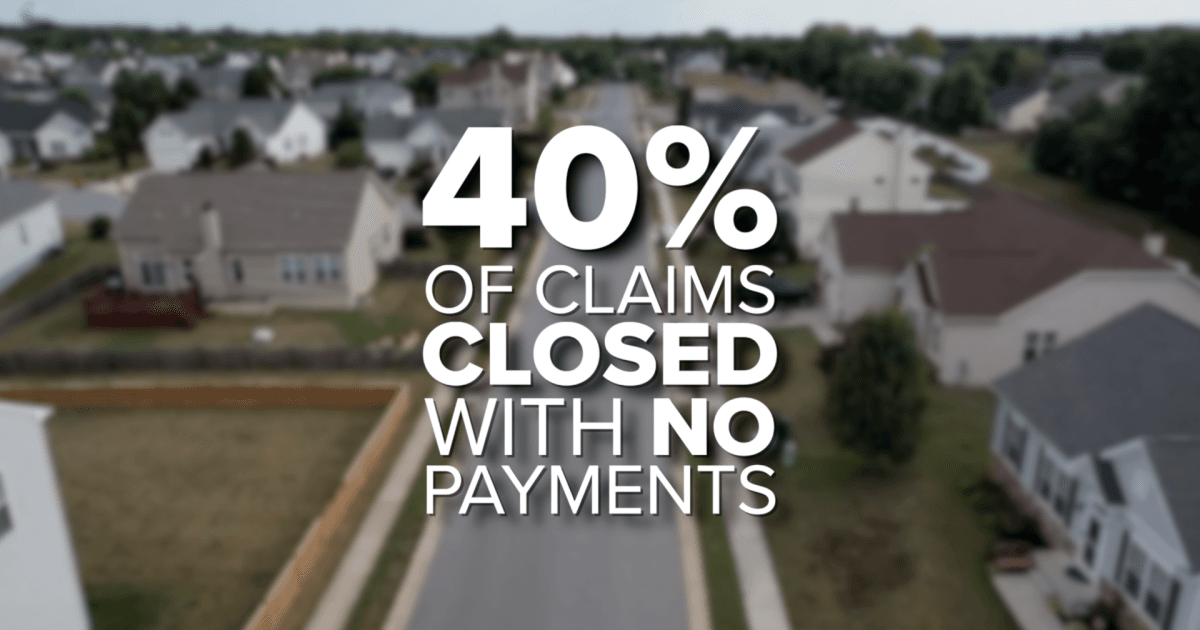
Over 40% of claims in Florida are closed with no payment
Florida leads the nation in dropped renewals at 3.3%
Why This Matters for Real Estate Professionals
Insurance trends directly affect home affordability, buyer decisions, and long‑term market stability. If you’re building your career in Florida real estate—or expanding into roles like insurance, mortgage, or financial services—understanding these shifts gives you a competitive advantage.
For those pursuing or renewing their professional licenses, Cameron Academy offers the education and insight needed to stay ahead in a continuously evolving market.
Getting licensed or staying ahead in your career can be a journey—but it doesn’t have to be overwhelming. Grab your favorite coffee or tea, take a moment to relax, and browse through our articles. Whether you’re just starting out or renewing your expertise, we’ve got tips, insights, and advice to keep you moving forward. Here’s to your success—one sip and one step at a time!
A fast‑growing Israeli startup called Agora is reshaping how real estate investment firms operate by replacing outdated spreadsheets and scattered emails with a seamless digital platform. Built by former military intelligence technologists, Agora centralizes investor onboarding, reporting, financial tracking and communication—giving firms a modern backbone for managing complex portfolios. As proptech adoption accelerates worldwide, understanding tools like Agora is becoming essential knowledge for new and seasoned real estate professionals alike.
Canada remains one of the fastest and most accessible places to launch a real estate career, with no university degree required and most provinces offering licensing timelines under a year. This guide breaks down every major step—eligibility, education, exams, brokerage registration, and income expectations—while comparing requirements across Ontario, BC, Alberta, and Quebec. It also highlights what truly separates successful agents from those who leave the profession: consistent prospecting, strong preparation, and long-term discipline.
The 2026 housing market is starting off with colder-than-usual activity but warmer opportunities for buyers. Mortgage rates have dipped nearly a full percentage point from last year, inventory is slowly increasing, and competition is easing just enough to give buyers more leverage. While prices are still rising, the pace has cooled, and motivated sellers are becoming more flexible. Whether you're planning to buy or preparing clients as a real estate professional, the key message remains the same: the right time to purchase depends far more on your financial readiness than on headline noise.
More landlords than ever are turning to LLCs to protect their assets, streamline operations, and unlock tax advantages. An LLC can separate your personal finances from your rental business, provide liability protection, and offer valuable tax benefits. This article breaks down what LLCs do for landlords, how they affect taxes, the benefits they bring, and the best practices for setting one up in 2025—giving real estate professionals and investors a clear, practical guide for making the right decision.
Florida lawmakers have approved Sen. Joe Gruters proposal to push more commercial properties from Citizens Property Insurance into the private market. The bill tightens eligibility rules, expands the clearinghouse process, and could shift about 25 billion dollars in risk to private carriers. Supporters say the change reduces taxpayer exposure after major storms, while opponents worry about relying more on the less-regulated surplus lines market. The measure now heads to Gov. Ron DeSantis for final approval.
Wire fraud has evolved into a major danger for Florida real estate transactions, with criminals hijacking email accounts, impersonating buyers and sellers, and creating fake title company websites. First‑time buyers are especially vulnerable, and losses often occur right before closing when emotions are high. Experts warn that nearly all wire fraud can be prevented with proper verification, secure communication, and professional training—making education a critical defense for today’s real estate professionals.