Florida’s Homeowners Face Soaring Insurance Premiums as Reform Efforts Heat Up
Florida homeowners are facing some of the highest insurance premiums in the nation, according to new findings highlighted by WPTV News Channel 5. With premiums averaging $5,838 per year—roughly $3,000 above the national average—many residents say the rising costs are pushing them to the brink.
‘Everything’s Tripled’ — Homeowners Sound Off
For West Palm Beach resident Jeff Heun, the numbers aren’t just statistics—they’ve reshaped his life. Once paying $3,400 for insurance, Heun told WPTV’s Joel Lopez that premiums have ballooned dramatically.
“Oh yeah, everything’s tripled,” Heun said. “I was gonna file a claim but I would have had my premiums doubled.”
Another resident shared that mandatory wind coverage and rising premiums are draining his household budget. He’d rather spend money upgrading windows and doors, but mortgage requirements force him to maintain costly coverage.
Interactive Insight
Hover, tap, or scroll through this box to absorb key points. Florida’s insurance landscape is shifting fast—professionals in real estate, insurance, and finance should stay prepared to answer clients’ toughest questions.
Some Floridians Opting Out Entirely
WPTV also spoke with a woman who hasn’t carried homeowners insurance in 25 years, choosing instead to set aside funds for emergencies. While risky, her situation highlights the difficult choices Floridians face: pay high premiums, dip into savings, or go uninsured.
Denied Claims and Delayed Help
In Loxahatchee, Bob and Pam Fix dealt with more than $40,000 in tornado damage. Their insurer initially offered just $4,500—later adjusted to $7,000—until a WPTV investigation by Kate Hussey helped secure the full amount needed for repairs.
Dr. Martin Weiss, founder of Weiss Ratings, warned that unless Florida reverses course, the crisis could accelerate. He and Florida Senator Carlos Guillermo Smith are pushing for stronger consumer protections and transparency between insurers and affiliated managing general agents.
“Floridians cannot afford to pay the highest property insurance premiums in the nation,” Smith said. He and fellow Democratic leaders are introducing multiple reform proposals—capping rate increases, removing taxes on impact-resistant upgrades, and more.
The Stakes for Florida Homeowners
Recent figures show:
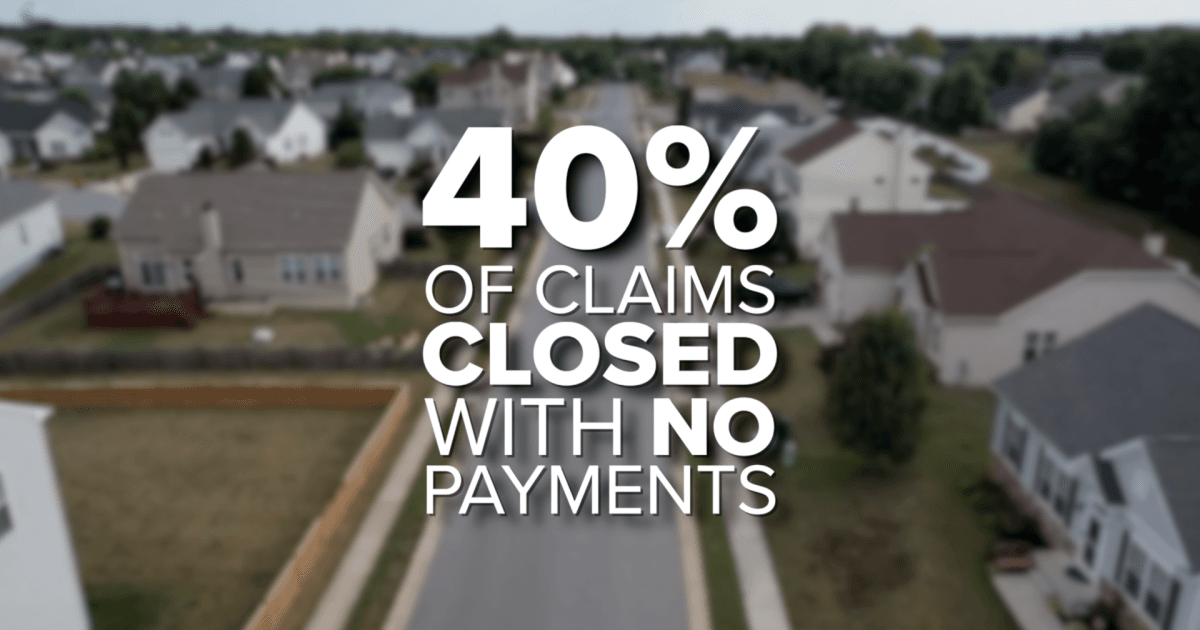
Over 40% of claims in Florida are closed with no payment
Florida leads the nation in dropped renewals at 3.3%
Why This Matters for Real Estate Professionals
Insurance trends directly affect home affordability, buyer decisions, and long‑term market stability. If you’re building your career in Florida real estate—or expanding into roles like insurance, mortgage, or financial services—understanding these shifts gives you a competitive advantage.
For those pursuing or renewing their professional licenses, Cameron Academy offers the education and insight needed to stay ahead in a continuously evolving market.
Getting licensed or staying ahead in your career can be a journey—but it doesn’t have to be overwhelming. Grab your favorite coffee or tea, take a moment to relax, and browse through our articles. Whether you’re just starting out or renewing your expertise, we’ve got tips, insights, and advice to keep you moving forward. Here’s to your success—one sip and one step at a time!
Lower interest rates, improving buyer confidence, and a resilient job market are setting the stage for a stronger South Florida real estate landscape in 2026. After a steadier‑than‑expected 2025, single‑family homes remain competitive, condos are stabilizing despite regulatory pressures, and commercial real estate continues to outperform national trends — giving industry professionals plenty to watch in the year ahead.
Economists across the housing industry are signaling that 2026 may finally bring a true market rebalance. With mortgage rates expected to ease, inventory slowly expanding and affordability showing its first real improvement in years, home sales could climb by 14% nationwide. Prices are projected to rise only modestly, builders are ramping up cautiously and shifting demographics are reshaping who’s buying—and what they’re looking for. For real estate and finance professionals, this more active and balanced landscape sets the stage for a strong year of opportunity.
South Florida enters 2026 with renewed confidence as easing mortgage rates, a solid job market, and stabilizing housing trends breathe life back into both single‑family and condo sectors. After an uneven 2025 marked by high costs and condo‑related challenges, lower borrowing rates are drawing buyers back, encouraging more homeowners to list, and positioning the region for a more balanced — though still competitive — year ahead.
The U.S. real estate landscape is entering a defining year, driven by AI innovation, reimagined office spaces, immersive retail, and resilient industrial growth. Investors are becoming more selective, while ESG expectations are solidifying into essential standards for value and tenant demand. For professionals looking to stay competitive in 2026, understanding these shifts—and upskilling accordingly—will be key to navigating an industry rapidly transforming in real time.
Conforming mortgage credit has dropped to its lowest level since the MBA began tracking it in 2011, signaling a major tightening in loan options as 2026 begins. December’s Mortgage Credit Availability Index fell 2.6%, driven by shrinking ARM offerings, fewer cash‑out refi programs, and stricter documentation requirements. With conforming loans seeing the sharpest decline—down 3.8%—both buyers and mortgage professionals face a more challenging lending landscape that demands stronger financial profiles and up‑to‑date industry knowledge.
A new NAR outlook shows that first-time buyers may finally be gaining traction in 2026 as rising inventory, easing rates, and creative financing strategies open long-awaited pathways into homeownership. From ARMs and government-backed loans to family support, grants, and co-buying, younger buyers are finding new ways to “make the math work.” Builders are also stepping in with incentives and expanded townhome construction, signaling a slow but meaningful shift toward improved affordability.