Florida’s Homeowners Face Soaring Insurance Premiums as Reform Efforts Heat Up
Florida homeowners are facing some of the highest insurance premiums in the nation, according to new findings highlighted by WPTV News Channel 5. With premiums averaging $5,838 per year—roughly $3,000 above the national average—many residents say the rising costs are pushing them to the brink.
‘Everything’s Tripled’ — Homeowners Sound Off
For West Palm Beach resident Jeff Heun, the numbers aren’t just statistics—they’ve reshaped his life. Once paying $3,400 for insurance, Heun told WPTV’s Joel Lopez that premiums have ballooned dramatically.
“Oh yeah, everything’s tripled,” Heun said. “I was gonna file a claim but I would have had my premiums doubled.”
Another resident shared that mandatory wind coverage and rising premiums are draining his household budget. He’d rather spend money upgrading windows and doors, but mortgage requirements force him to maintain costly coverage.
Interactive Insight
Hover, tap, or scroll through this box to absorb key points. Florida’s insurance landscape is shifting fast—professionals in real estate, insurance, and finance should stay prepared to answer clients’ toughest questions.
Some Floridians Opting Out Entirely
WPTV also spoke with a woman who hasn’t carried homeowners insurance in 25 years, choosing instead to set aside funds for emergencies. While risky, her situation highlights the difficult choices Floridians face: pay high premiums, dip into savings, or go uninsured.
Denied Claims and Delayed Help
In Loxahatchee, Bob and Pam Fix dealt with more than $40,000 in tornado damage. Their insurer initially offered just $4,500—later adjusted to $7,000—until a WPTV investigation by Kate Hussey helped secure the full amount needed for repairs.
Dr. Martin Weiss, founder of Weiss Ratings, warned that unless Florida reverses course, the crisis could accelerate. He and Florida Senator Carlos Guillermo Smith are pushing for stronger consumer protections and transparency between insurers and affiliated managing general agents.
“Floridians cannot afford to pay the highest property insurance premiums in the nation,” Smith said. He and fellow Democratic leaders are introducing multiple reform proposals—capping rate increases, removing taxes on impact-resistant upgrades, and more.
The Stakes for Florida Homeowners
Recent figures show:
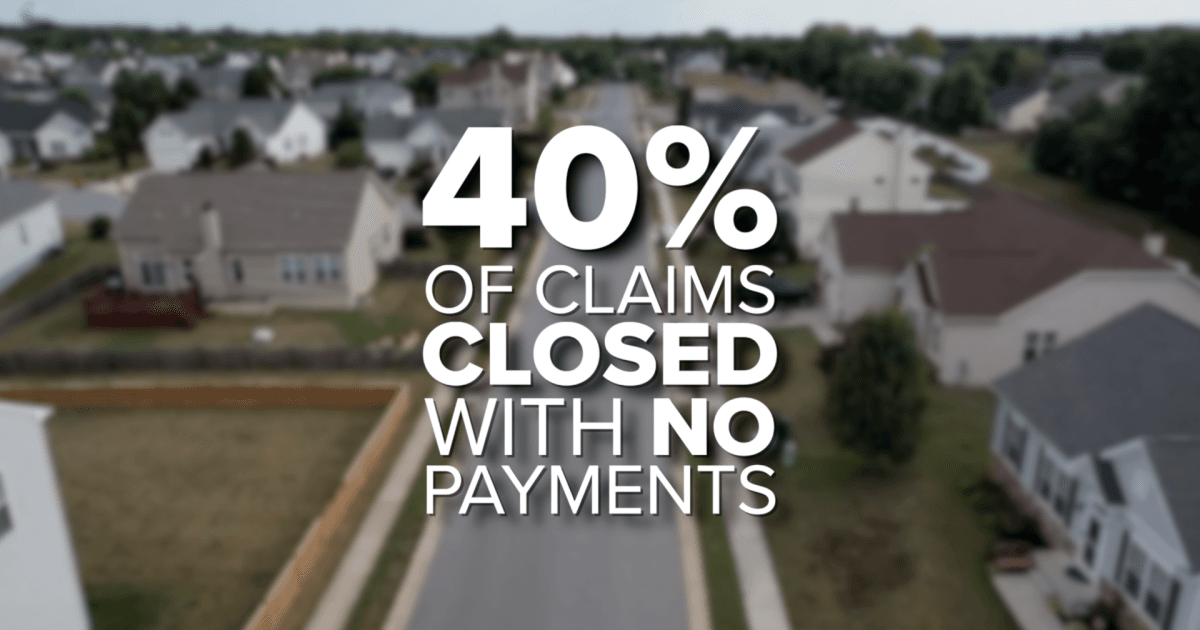
Over 40% of claims in Florida are closed with no payment
Florida leads the nation in dropped renewals at 3.3%
Why This Matters for Real Estate Professionals
Insurance trends directly affect home affordability, buyer decisions, and long‑term market stability. If you’re building your career in Florida real estate—or expanding into roles like insurance, mortgage, or financial services—understanding these shifts gives you a competitive advantage.
For those pursuing or renewing their professional licenses, Cameron Academy offers the education and insight needed to stay ahead in a continuously evolving market.
Getting licensed or staying ahead in your career can be a journey—but it doesn’t have to be overwhelming. Grab your favorite coffee or tea, take a moment to relax, and browse through our articles. Whether you’re just starting out or renewing your expertise, we’ve got tips, insights, and advice to keep you moving forward. Here’s to your success—one sip and one step at a time!
Palm Beach protests erupted as intensified immigration enforcement reached the heart of Trump’s hometown, while millions in Florida brace for rising health care costs as key subsidies near expiration. At the same time, state regulators boldly declare the long‑running property insurance crisis “over,” leaving homeowners and industry professionals questioning whether true stability has finally returned.
As 2025 comes to a close, the real estate industry is shifting from uncertainty to strategic expansion. According to DWS’s Year-End 2025 Outlook, property values are stabilizing after years of repricing, capital is concentrating on high-quality assets, and Sunbelt markets—especially Florida—continue to outperform. With technology enhancing rather than replacing professional expertise, 2026 is shaping up to reward professionals who stay informed, skilled, and strategically positioned for the next cycle.
Texas capital is pouring into San Francisco’s long‑struggling commercial real estate market, with Lone Star investors buying up discounted Union Square buildings and signaling what many experts believe is the city’s market bottom. As office activity and confidence begin to return, buyers from across the country are joining the rush, turning SF’s post‑pandemic slump into one of the nation’s hottest bargain opportunities.
With 2026 HousingWire Tech100 nominations closing on December 19, the housing tech sector is accelerating at full speed. AI‑powered data platforms, digital closing breakthroughs, embedded insurance growth, and next‑generation servicing automation are reshaping real estate, mortgage, insurance, and finance. From ATTOM’s AI‑ready property intelligence to Hapi Homes’ Martha Stewart design revival, Obie’s nationwide expansion, Outamation’s servicing automation, and ServiceLink’s next‑level borrower scheduling, this year’s standout innovators are defining the future of the housing economy.
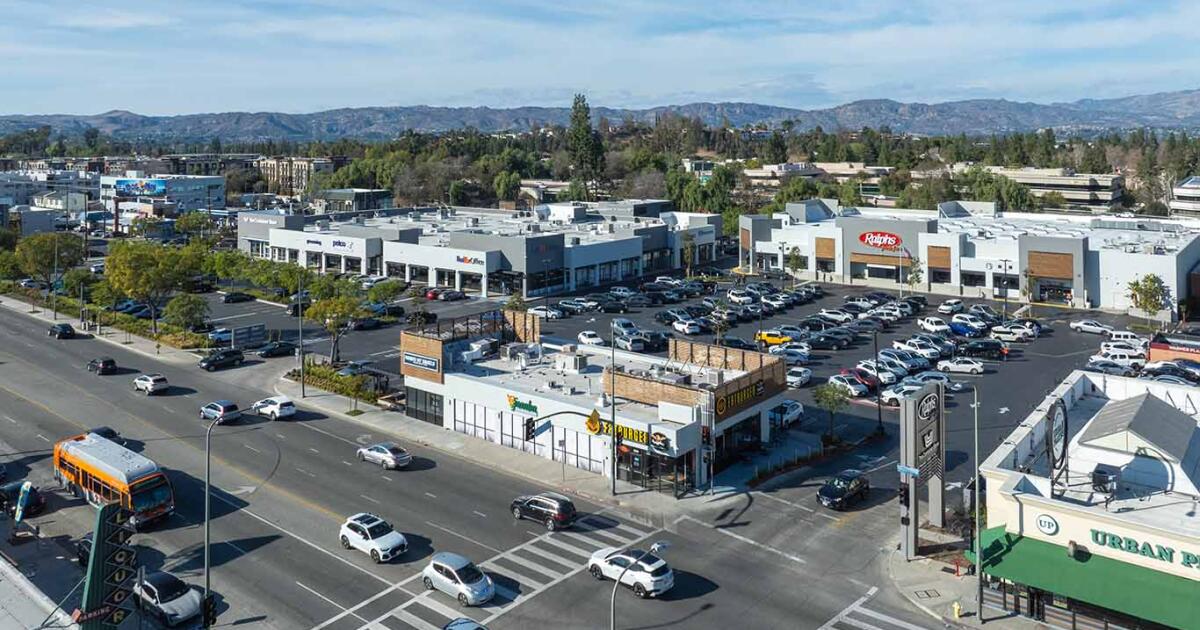
Space Investment Partners has acquired the 123,402‑square‑foot Topanga Gateway retail center in Woodland Hills for $64 million, marking another significant move in the firm’s expanding grocery‑anchored investment strategy. Located at a high‑visibility intersection and 97% occupied at the time of sale, the property strengthens the company’s push toward $500 million to $1 billion in retail acquisitions for 2026, underscoring continued investor confidence in necessity‑based retail assets.
After the Federal Reserve’s final 2025 rate cut on December 10, mortgage markets are recalibrating, giving buyers and homeowners a glimmer of relief. Rates remain lower than earlier in the year, with 30-year fixed loans at 6.12% and refinances dipping as well. This shift may spark renewed activity for buyers, refinancers, and real estate professionals heading into 2026.