Florida’s Insurance Crisis Hits Home: Tampa Resident Drops Coverage as Rates Skyrocket

Across Florida, homeowners are facing a difficult crossroads — pay climbing insurance premiums or take a major financial risk by going without coverage altogether. For Tampa Heights resident Slake Counts, the decision came after years of relentless increases and mounting frustration. His 2026 renewal quote? An eye‑watering $14,523.
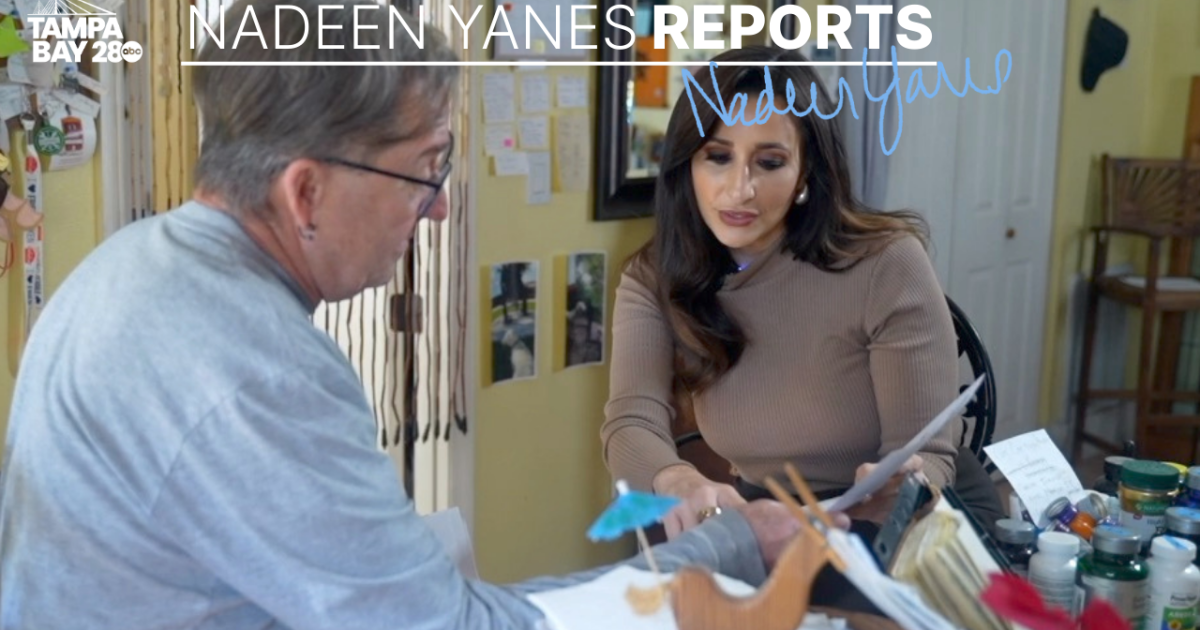
Nadeen yanes interviewing tampa homeowner

This story, first reported by Tampa Bay 28, echoes a growing trend across the state. According to the Insurance Business Journal, as many as 15–20% of Floridians now “go bare,” meaning they carry no property insurance at all — the highest rate in the nation.

“That’s Enough for Me”

Counts, an actor and anthropologist, owns a historic 1913 bungalow. After hearing state leaders claim that Florida’s insurance market was improving, he decided to double‑check his own policy. Instead of relief, he found a dramatic jump in premiums — thousands more than the year prior.

“There was a disconnect for me,” he said. “It went to eight, then 10, and then this year it increased to $14,000. I decided that’s enough for me.”

By December 2025, he received his official Notice of Lapse — his property was now uninsured.

Why Are Homeowners Doing This?

Years of rate hikes, limited coverage options, and post‑storm losses across Florida have drained homeowners’ patience. Many, like Counts, simply feel priced out of their own paradise — a dangerous position for anyone without a mortgage requirement to maintain coverage.

Experts Warn: There Are Options Before Going Bare

Insurance agent Jake Holehouse understands the frustration but cautions homeowners against fully dropping coverage without exploring alternatives. He outlined three cost‑saving strategies:

Option 1: Liability Coverage Only
Provides protection for visitor injuries on your property — the bare minimum many agents recommend.

Option 2: Drop Wind/Hurricane Coverage
Keeps fire, theft, and pipe‑break protection while dramatically reducing hurricane‑related premiums. Often between $800–$2,000/year.

Option 3: Harden Your Home
Upgrading to a new roof, shutters, or hurricane clips can significantly lower premiums and restore insurability.

But Holehouse offers a critical warning: once you fully lapse insurance, many carriers refuse new policies unless coverage existed in the prior 45–60 days.

Florida Professionals Feeling the Pressure

The insurance landscape is reshaping how Floridians buy homes, invest in real estate, and manage long‑term financial security. Real estate professionals, insurers, mortgage brokers, appraisers, and even investors are navigating this volatile new terrain — making industry education more essential than ever.

For those entering or expanding careers in Florida real estate, insurance, or financial services, having an informed foundation is crucial. High‑quality education providers like Cameron Academy help professionals stay aligned with market updates, regulatory changes, and the shifting economic forces driving Florida’s future.

“Priced Out of Paradise”

As for Counts, the insurance crisis has him reconsidering whether Florida is still home:

“There may be other options for me that don’t necessitate staying in Tampa,” he said. “I’m not the only one in this boat.”

With thousands of homeowners facing the same dilemma, the lingering question becomes: How many more Floridians will decide that going bare — or moving out — is their only path forward?


More Articles

Getting licensed or staying ahead in your career can be a journey—but it doesn’t have to be overwhelming. Grab your favorite coffee or tea, take a moment to relax, and browse through our articles. Whether you’re just starting out or renewing your expertise, we’ve got tips, insights, and advice to keep you moving forward. Here’s to your success—one sip and one step at a time!

Florida Homeowners See Major Spring Insurance Savings as Market Finally Stabilizes

Florida homeowners are getting long‑awaited relief this spring as insurance premiums drop across the state, with some counties seeing reductions of up to 14 percent. After years of skyrocketing rates and insurer withdrawals, a series of legislative reforms has attracted new companies, reduced lawsuits, and restored competition—leading to lower costs for more than 330,000 Citizens policyholders and multiple private‑market rate cuts. This shift is boosting not only homeowners, but also Florida’s broader economy and real estate market, offering valuable insights for professionals in real estate, insurance, mortgage, and finance.

AI Listing Images Are Creating a New Trust Problem in Real Estate

Artificial intelligence has transformed real estate marketing by making it easy to generate polished, digitally enhanced listing photos. But as AI tools increasingly replace reality with idealized versions of homes, a new issue has emerged: housefishing. Buyers and renters are showing up to properties that look nothing like the online images, leading regulators to step in and require transparency. With laws like California’s newly enacted Assembly Bill 723, the industry is being pushed toward clearer labeling and ethical use of AI. As trust becomes a growing concern, real estate professionals must balance innovation with accuracy to stay compliant and credible.

Massachusetts Moves to Strengthen Fair Housing Training for Real Estate Agents

Massachusetts has unanimously advanced bill S.2947, a major push to curb housing discrimination by expanding fair housing education requirements for real estate agents. The proposal increases training hours for both current and future licensees and doubles penalties for violations, marking a significant shift toward stronger consumer protections and higher professional standards across the state’s housing market.

How Rising Energy Costs Are Quietly Reshaping the Hudson Valley Real Estate Market

Energy costs have moved from a background expense to a major force influencing affordability, property values, and development across the Hudson Valley. Aging housing stock, grid constraints, and rising utility bills are reshaping both residential and commercial real estate decisions—rewarding energy‑efficient properties and pressuring households already struggling to balance essential expenses.

How AI Is Becoming the New Power Tool for Real Estate Professionals

AI is transforming the daily workflow of real estate pros by speeding up marketing, simplifying client communication, and sharpening pricing strategies. As highlighted in an NBC 6 feature, agents are using AI to draft listing descriptions, generate social media content, organize inquiries, and analyze market data in minutes. Whether you're new to the industry or an experienced agent, AI is quickly becoming an essential tool for working smarter and staying competitive.

14-Hour CE Renewal for Florida Real Estate: Choose Your Learning Style