
Florida’s Insurance Crisis Hits Home: Tampa Resident Drops Coverage as Rates Skyrocket

Across Florida, homeowners are facing a difficult crossroads — pay climbing insurance premiums or take a major financial risk by going without coverage altogether. For Tampa Heights resident Slake Counts, the decision came after years of relentless increases and mounting frustration. His 2026 renewal quote? An eye‑watering $14,523.

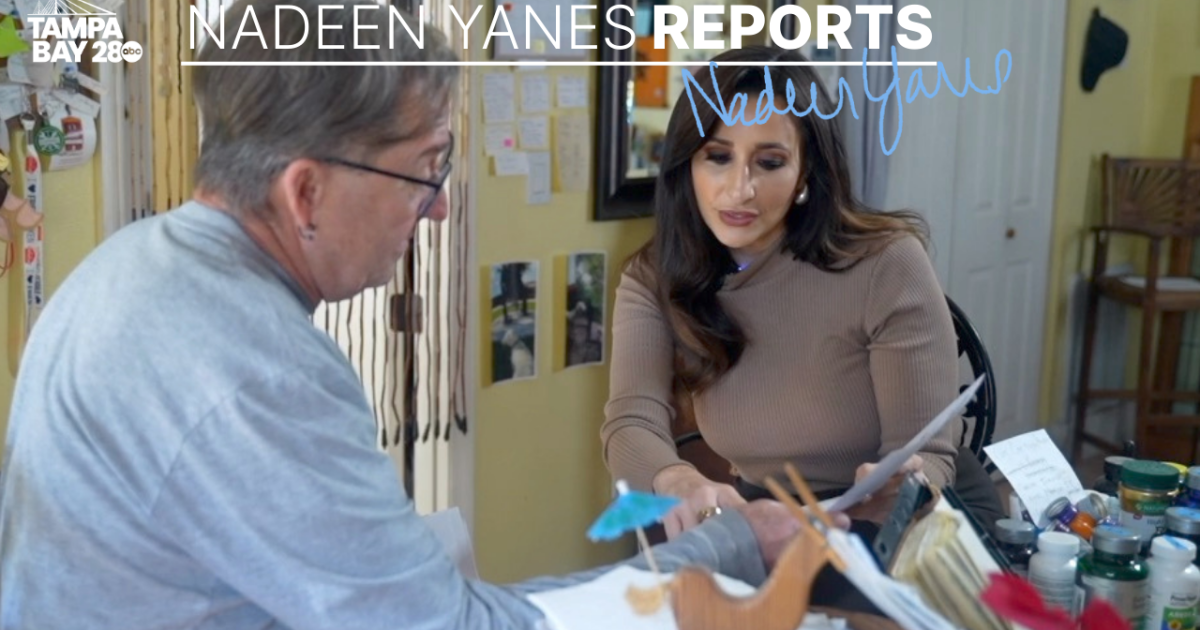
Nadeen yanes interviewing tampa homeowner

This story, first reported by Tampa Bay 28, echoes a growing trend across the state. According to the Insurance Business Journal, as many as 15–20% of Floridians now “go bare,” meaning they carry no property insurance at all — the highest rate in the nation.

“That’s Enough for Me”

Counts, an actor and anthropologist, owns a historic 1913 bungalow. After hearing state leaders claim that Florida’s insurance market was improving, he decided to double‑check his own policy. Instead of relief, he found a dramatic jump in premiums — thousands more than the year prior.

“There was a disconnect for me,” he said. “It went to eight, then 10, and then this year it increased to $14,000. I decided that’s enough for me.”

By December 2025, he received his official Notice of Lapse — his property was now uninsured.

Why Are Homeowners Doing This?

Years of rate hikes, limited coverage options, and post‑storm losses across Florida have drained homeowners’ patience. Many, like Counts, simply feel priced out of their own paradise — a dangerous position for anyone without a mortgage requirement to maintain coverage.

Experts Warn: There Are Options Before Going Bare

Insurance agent Jake Holehouse understands the frustration but cautions homeowners against fully dropping coverage without exploring alternatives. He outlined three cost‑saving strategies:

Option 1: Liability Coverage Only
Provides protection for visitor injuries on your property — the bare minimum many agents recommend.

Option 2: Drop Wind/Hurricane Coverage
Keeps fire, theft, and pipe‑break protection while dramatically reducing hurricane‑related premiums. Often between $800–$2,000/year.

Option 3: Harden Your Home
Upgrading to a new roof, shutters, or hurricane clips can significantly lower premiums and restore insurability.

But Holehouse offers a critical warning: once you fully lapse insurance, many carriers refuse new policies unless coverage existed in the prior 45–60 days.

Florida Professionals Feeling the Pressure

The insurance landscape is reshaping how Floridians buy homes, invest in real estate, and manage long‑term financial security. Real estate professionals, insurers, mortgage brokers, appraisers, and even investors are navigating this volatile new terrain — making industry education more essential than ever.

For those entering or expanding careers in Florida real estate, insurance, or financial services, having an informed foundation is crucial. High‑quality education providers like Cameron Academy help professionals stay aligned with market updates, regulatory changes, and the shifting economic forces driving Florida’s future.

“Priced Out of Paradise”

As for Counts, the insurance crisis has him reconsidering whether Florida is still home:

“There may be other options for me that don’t necessitate staying in Tampa,” he said. “I’m not the only one in this boat.”

With thousands of homeowners facing the same dilemma, the lingering question becomes: How many more Floridians will decide that going bare — or moving out — is their only path forward?

More Articles

Getting licensed or staying ahead in your career can be a journey—but it doesn’t have to be overwhelming. Grab your favorite coffee or tea, take a moment to relax, and browse through our articles. Whether you’re just starting out or renewing your expertise, we’ve got tips, insights, and advice to keep you moving forward. Here’s to your success—one sip and one step at a time!

A New Era in Real Estate: The Ultimate CRM Tools for 2024

In the dynamic world of real estate, where relationships are the cornerstone of success, the right Customer Relationship Management (CRM) software can be a game-changer.

By |October 13, 2024|Categories: Article, CRM Software, Real Estate|Tags: , |0 Comments

Florida’s Real-Estate Market Faces Turmoil Amid Back-to-Back Hurricanes

As Florida braces for the impact of Hurricane Milton, the state's real-estate market finds itself in a precarious position. This powerful Category 4 storm, following closely after Hurricane Helene, threatens to exacerbate an already volatile situation.

By |October 13, 2024|Categories: Article, Natural Disasters, Real Estate|Tags: , |0 Comments

Jersey City Tops 2024 Apartment Investment List Amid New York Metro Challenges

Jersey City, New Jersey, has emerged as the top prospect for apartment investment in 2024, according to real estate professionals, despite a backdrop of population decline in the New York metro area.

By |October 13, 2024|Categories: Article, Investment, Real Estate|Tags: |0 Comments

The Best CRM for Real Estate of 2024: A Comprehensive Guide

In the ever-evolving world of real estate, maintaining strong relationships is the cornerstone of success. Realtors are increasingly turning to Customer Relationship Management (CRM) software to streamline their operations and enhance client interactions.

By |October 13, 2024|Categories: Article, CRM Software, Real Estate|Tags: , |0 Comments

Federal Reserve Rate Cut: Impact on Housing Market

Mortgage rates, which soared to nearly 8% last year, have already begun to decline, even before the Fed's official announcement. Currently, long-term fixed-rate mortgages are hovering around 6.2%, the lowest since February 2023. However, experts like Charlie Dougherty from Wells Fargo suggest that while rates might dip slightly, significant reductions are unlikely in the immediate future.

By |October 13, 2024|Categories: Article, Economics, Real Estate|Tags: |0 Comments

Binance Integrates USDT on TON: A New Era for Stablecoin Transactions

In a groundbreaking move, Binance has announced the integration of Tether's USDT token on The Open Network (TON), a development that promises to enhance liquidity and reduce transaction fees for its users.