Florida’s Insurance Crisis Hits Home: Tampa Resident Drops Coverage as Rates Skyrocket

Across Florida, homeowners are facing a difficult crossroads — pay climbing insurance premiums or take a major financial risk by going without coverage altogether. For Tampa Heights resident Slake Counts, the decision came after years of relentless increases and mounting frustration. His 2026 renewal quote? An eye‑watering $14,523.
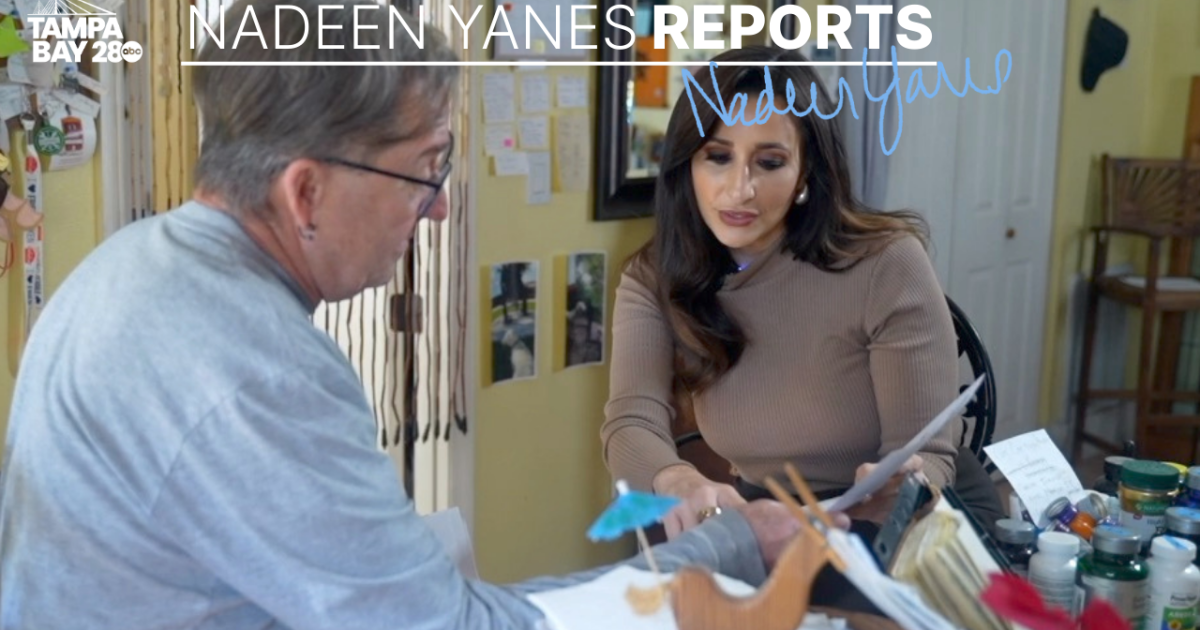
Nadeen yanes interviewing tampa homeowner

This story, first reported by Tampa Bay 28, echoes a growing trend across the state. According to the Insurance Business Journal, as many as 15–20% of Floridians now “go bare,” meaning they carry no property insurance at all — the highest rate in the nation.

“That’s Enough for Me”

Counts, an actor and anthropologist, owns a historic 1913 bungalow. After hearing state leaders claim that Florida’s insurance market was improving, he decided to double‑check his own policy. Instead of relief, he found a dramatic jump in premiums — thousands more than the year prior.

“There was a disconnect for me,” he said. “It went to eight, then 10, and then this year it increased to $14,000. I decided that’s enough for me.”

By December 2025, he received his official Notice of Lapse — his property was now uninsured.

Why Are Homeowners Doing This?

Years of rate hikes, limited coverage options, and post‑storm losses across Florida have drained homeowners’ patience. Many, like Counts, simply feel priced out of their own paradise — a dangerous position for anyone without a mortgage requirement to maintain coverage.

Experts Warn: There Are Options Before Going Bare

Insurance agent Jake Holehouse understands the frustration but cautions homeowners against fully dropping coverage without exploring alternatives. He outlined three cost‑saving strategies:

Option 1: Liability Coverage Only
Provides protection for visitor injuries on your property — the bare minimum many agents recommend.

Option 2: Drop Wind/Hurricane Coverage
Keeps fire, theft, and pipe‑break protection while dramatically reducing hurricane‑related premiums. Often between $800–$2,000/year.

Option 3: Harden Your Home
Upgrading to a new roof, shutters, or hurricane clips can significantly lower premiums and restore insurability.

But Holehouse offers a critical warning: once you fully lapse insurance, many carriers refuse new policies unless coverage existed in the prior 45–60 days.

Florida Professionals Feeling the Pressure

The insurance landscape is reshaping how Floridians buy homes, invest in real estate, and manage long‑term financial security. Real estate professionals, insurers, mortgage brokers, appraisers, and even investors are navigating this volatile new terrain — making industry education more essential than ever.

For those entering or expanding careers in Florida real estate, insurance, or financial services, having an informed foundation is crucial. High‑quality education providers like Cameron Academy help professionals stay aligned with market updates, regulatory changes, and the shifting economic forces driving Florida’s future.

“Priced Out of Paradise”

As for Counts, the insurance crisis has him reconsidering whether Florida is still home:

“There may be other options for me that don’t necessitate staying in Tampa,” he said. “I’m not the only one in this boat.”

With thousands of homeowners facing the same dilemma, the lingering question becomes: How many more Floridians will decide that going bare — or moving out — is their only path forward?


More Articles

Getting licensed or staying ahead in your career can be a journey—but it doesn’t have to be overwhelming. Grab your favorite coffee or tea, take a moment to relax, and browse through our articles. Whether you’re just starting out or renewing your expertise, we’ve got tips, insights, and advice to keep you moving forward. Here’s to your success—one sip and one step at a time!

Strategic Decision of RE/MAX: $55 Million Commission Lawsuit Settlement

In the competitive world of real estate, RE/MAX recently settled a commission lawsuit for a substantial $55 million. This strategic decision has sparked intrigue and raised questions about the company's future. The lawsuit, initiated by a group of real estate agents, accused RE/MAX of commission fraud and unfair practices. However, RE/MAX chose to settle the lawsuit, demonstrating its commitment to swiftly resolving legal matters and maintaining a positive trajectory. Despite the financial implications, RE/MAX remains financially robust and poised for future growth. The company's commitment to transparency, fairness, and ethical business practices remains steadfast. As the dust settles on the commission lawsuit settlement, RE/MAX looks to the future with unwavering confidence.

By |November 26, 2023|Categories: AI in Real Estate|Tags: |0 Comments

¡Ofrecemos el Curso de Pre-Licencia de Bienes Raíces de 63 Horas en Florida, 100% en Español!

¿Interesado en obtener una licencia de bienes raíces? Nuestra versión en español del curso de pre-licencia de bienes raíces de 63 horas está diseñada para personas que prefieren aprender en español. Nuestro currículo integral cubre temas esenciales desde principios de bienes raíces hasta la ley de contratos y ética. Con la flexibilidad del aprendizaje en línea, puedes adaptar tu educación inmobiliaria a tu apretada agenda. Inscríbete hoy y da el primer paso para convertirte en un profesional inmobiliario con licencia. ¡Inicia tu viaje en el mundo de los bienes raíces hoy mismo!

Bob Goldberg Steps Down as NAR CEO: A Leadership Change at the National Association of Realtors

The real estate industry is abuzz with Bob Goldberg stepping down as the CEO of the National Association of Realtors (NAR). This leadership change comes after the Sitzer/Burnett commission lawsuit trial, raising questions about NAR's practices. Goldberg's departure marks a significant moment in NAR's history, presenting an opportunity for reevaluation and rebuilding. As the industry evolves, NAR must adapt and embrace change to remain relevant. At Cameron Academy, we provide high-quality career education courses for a competitive advantage in the real estate industry. Start your journey towards success today! Explore Our Courses: https://cameronacademy.com/our-courses-cameron-academy

eXP CEO Glenn Sanford Voices Concerns About Commission Lawsuits’ Impact on Buyers

Commission lawsuits in the real estate sector are becoming increasingly prevalent, causing industry professionals to worry. Glenn Sanford, eXp World Holdings' CEO, recently voiced his fears about the potential repercussions of these lawsuits on low-income buyers. Sanford's primary worry centers around affordable housing access for low-income buyers. With the rise of commission lawsuits, Sanford is apprehensive that the legal costs will ultimately be shouldered by the buyers. This could further complicate the process for low-income individuals striving to enter the housing market and achieve homeownership. The Sitzer/Burnett verdict, which found real estate agents guilty of antitrust violations by conspiring to fix buyer broker commissions, has brought the issue of commission lawsuits to the forefront. The far-reaching implications of this verdict have ignited debates about the future of buyer broker commissions.

Perspectives on the Commission Lawsuit Trial: A Discussion Among Agents and Experts

The ongoing Sitzer/Burnett commission lawsuit trial has captured the attention of the real estate industry, as it holds the potential to reshape the way agent commissions are structured. In this article, we explore the viewpoints of brokers, agents, and real estate economists, who provide valuable insights into the possible outcomes of the trial and its implications for the industry. By examining their perspectives, we aim to shed light on the debate surrounding real estate agent commissions and the potential impact of this landmark trial.

By |November 24, 2023|Categories: Real Estate Industry|Tags: |0 Comments

New Reporting Obligations Imposed on Nonbank Financial Institutions by FTC

The Federal Trade Commission (FTC) has recently implemented a new rule that mandates nonbank financial institutions to report data breaches and other security events. This rule aims to enhance transparency and ensure the safety of customers' information. Nonbank financial institutions, including mortgage brokers, payday lenders, and virtual currency exchanges, must promptly report data breaches if they affect at least 500 customers and involve unauthorized access to unencrypted information. The FTC's new rule requiring nonbank financial institutions to report data breaches is a significant step towards ensuring transparency, accountability, and customer safety.