Florida’s Insurance Crisis Hits Home: Tampa Resident Drops Coverage as Rates Skyrocket

Across Florida, homeowners are facing a difficult crossroads — pay climbing insurance premiums or take a major financial risk by going without coverage altogether. For Tampa Heights resident Slake Counts, the decision came after years of relentless increases and mounting frustration. His 2026 renewal quote? An eye‑watering $14,523.
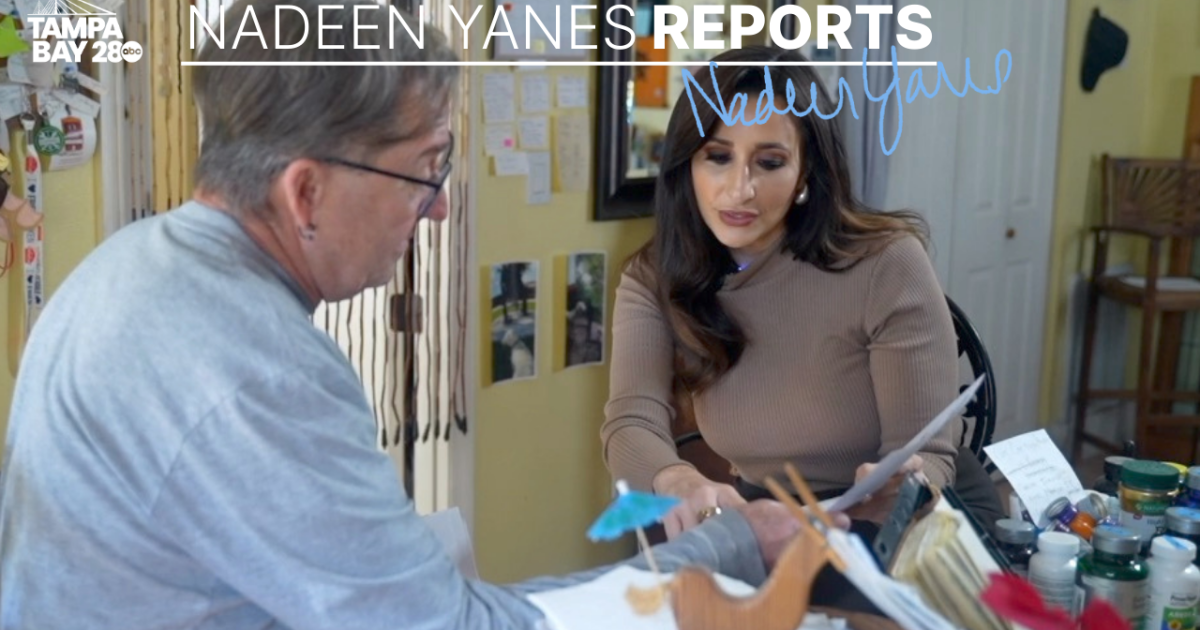
Nadeen yanes interviewing tampa homeowner

This story, first reported by Tampa Bay 28, echoes a growing trend across the state. According to the Insurance Business Journal, as many as 15–20% of Floridians now “go bare,” meaning they carry no property insurance at all — the highest rate in the nation.

“That’s Enough for Me”

Counts, an actor and anthropologist, owns a historic 1913 bungalow. After hearing state leaders claim that Florida’s insurance market was improving, he decided to double‑check his own policy. Instead of relief, he found a dramatic jump in premiums — thousands more than the year prior.

“There was a disconnect for me,” he said. “It went to eight, then 10, and then this year it increased to $14,000. I decided that’s enough for me.”

By December 2025, he received his official Notice of Lapse — his property was now uninsured.

Why Are Homeowners Doing This?

Years of rate hikes, limited coverage options, and post‑storm losses across Florida have drained homeowners’ patience. Many, like Counts, simply feel priced out of their own paradise — a dangerous position for anyone without a mortgage requirement to maintain coverage.

Experts Warn: There Are Options Before Going Bare

Insurance agent Jake Holehouse understands the frustration but cautions homeowners against fully dropping coverage without exploring alternatives. He outlined three cost‑saving strategies:

Option 1: Liability Coverage Only
Provides protection for visitor injuries on your property — the bare minimum many agents recommend.

Option 2: Drop Wind/Hurricane Coverage
Keeps fire, theft, and pipe‑break protection while dramatically reducing hurricane‑related premiums. Often between $800–$2,000/year.

Option 3: Harden Your Home
Upgrading to a new roof, shutters, or hurricane clips can significantly lower premiums and restore insurability.

But Holehouse offers a critical warning: once you fully lapse insurance, many carriers refuse new policies unless coverage existed in the prior 45–60 days.

Florida Professionals Feeling the Pressure

The insurance landscape is reshaping how Floridians buy homes, invest in real estate, and manage long‑term financial security. Real estate professionals, insurers, mortgage brokers, appraisers, and even investors are navigating this volatile new terrain — making industry education more essential than ever.

For those entering or expanding careers in Florida real estate, insurance, or financial services, having an informed foundation is crucial. High‑quality education providers like Cameron Academy help professionals stay aligned with market updates, regulatory changes, and the shifting economic forces driving Florida’s future.

“Priced Out of Paradise”

As for Counts, the insurance crisis has him reconsidering whether Florida is still home:

“There may be other options for me that don’t necessitate staying in Tampa,” he said. “I’m not the only one in this boat.”

With thousands of homeowners facing the same dilemma, the lingering question becomes: How many more Floridians will decide that going bare — or moving out — is their only path forward?


More Articles

Getting licensed or staying ahead in your career can be a journey—but it doesn’t have to be overwhelming. Grab your favorite coffee or tea, take a moment to relax, and browse through our articles. Whether you’re just starting out or renewing your expertise, we’ve got tips, insights, and advice to keep you moving forward. Here’s to your success—one sip and one step at a time!

Florida Homeowners Finally Get Relief as Gov. DeSantis Announces Significant Insurance Premium Cuts

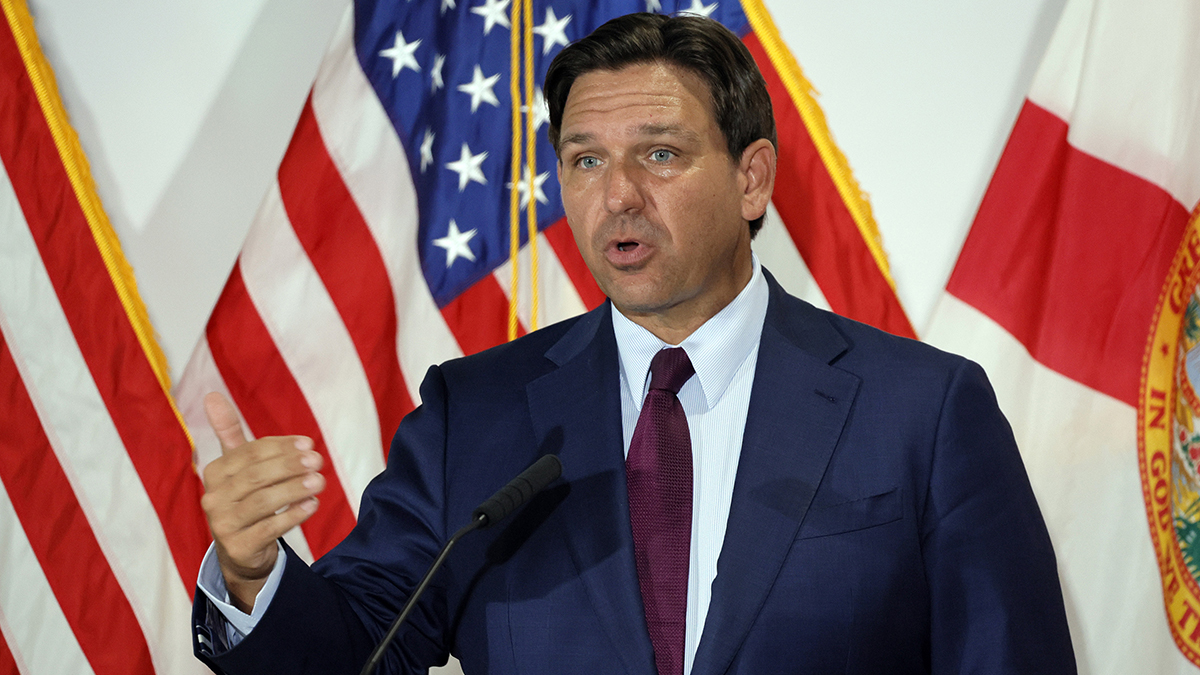
Florida homeowners — especially in hard‑hit South Florida — are set to see rare and substantial reductions in their property insurance premiums. Gov. Ron DeSantis announced an average statewide Citizens Insurance decrease of 8.7%, with even larger savings of up to 14% in counties like Miami-Dade, Broward, and Palm Beach. State officials credit recent legal and regulatory reforms for stabilizing the market, attracting new insurers, and delivering the first meaningful rate relief Floridians have seen in years.

Tampa’s Real Estate Market Enters a Smarter, More Selective Growth Phase

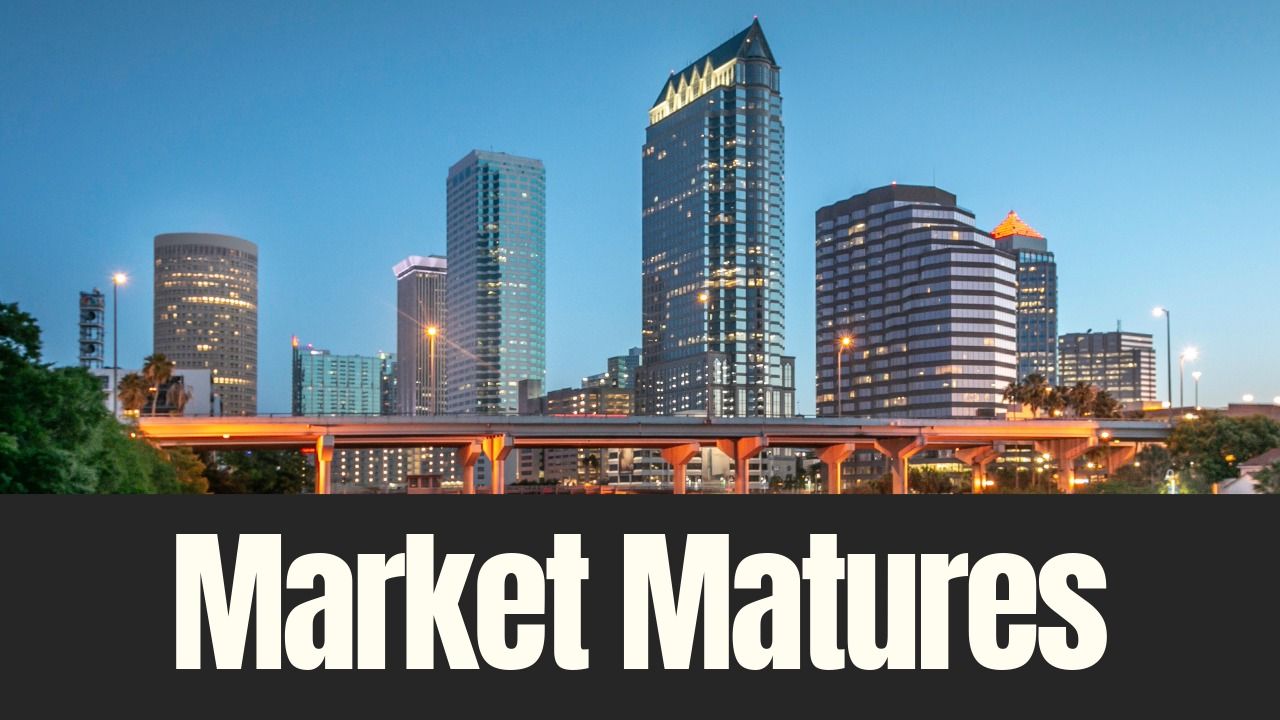
Tampa’s commercial real estate market isn’t slowing—it’s maturing. With strong population growth, rising office demand, a normalized industrial sector, resurgent retail, and an emerging health‑care real estate boom, investors are shifting from speed to strategy. Tighter underwriting, cautious capital and increased due‑diligence are shaping a more disciplined market, creating new opportunities for informed professionals.

Florida Slashes Home Insurance Rates: Biggest Drop in a Decade Sends Shockwaves Through the Market

Florida homeowners are finally seeing relief as Citizens Property Insurance announces a major 8.7% average rate decrease—far larger than originally proposed. Driven by legislative reforms, fewer lawsuits, and a calm hurricane season, the state’s once‑unstable insurance market is showing real signs of recovery. But with reduced coverage limits and shifting legal protections, experts warn that lower premiums may come with hidden trade‑offs.

Florida Homeowners Finally Get Insurance Relief After Years of Soaring Premiums

After a decade of rising premiums and retreating carriers, Florida homeowners are finally seeing long‑awaited relief. Dozens of insurers have filed for rate decreases—some as high as 11%—thanks to legislative reforms and a stabilizing market. Early approvals are already hitting counties across the state, and experts say the momentum could boost buyer confidence, affordability, and competition throughout Florida’s real estate and insurance sectors.

Self‑Storage Investing in 2026: A Market Thaw Opens the Door to Big Opportunities

After years of slowed activity caused by rising interest rates, the self‑storage industry is heating up again. New data from Marcus & Millichap shows a fresh market cycle emerging, driven by renewed buyer confidence, recalibrated pricing, and stronger lender participation. Acquisitions are rebounding, development is resetting in a healthier direction, and financing conditions are improving—creating one of the most promising investment landscapes the sector has seen in years.

Brookline’s Real Flood Risk: What FEMA’s New Maps Reveal—and What They Miss

Brookline’s newly updated FEMA flood maps identify 97 high‑risk parcels, but local experts warn the true threat is far greater. While FEMA highlights river‑based flooding around Leverett Pond and the Muddy River, alternative models show more than 1,300 Brookline properties at risk within 30 years. Hidden vulnerabilities along major corridors like Beacon Street, rising rainfall intensity, aging infrastructure, and climate‑driven storm patterns suggest that many “low‑risk” areas may be anything but safe.