Florida’s Insurance Crisis Hits Home: Tampa Resident Drops Coverage as Rates Skyrocket

Across Florida, homeowners are facing a difficult crossroads — pay climbing insurance premiums or take a major financial risk by going without coverage altogether. For Tampa Heights resident Slake Counts, the decision came after years of relentless increases and mounting frustration. His 2026 renewal quote? An eye‑watering $14,523.
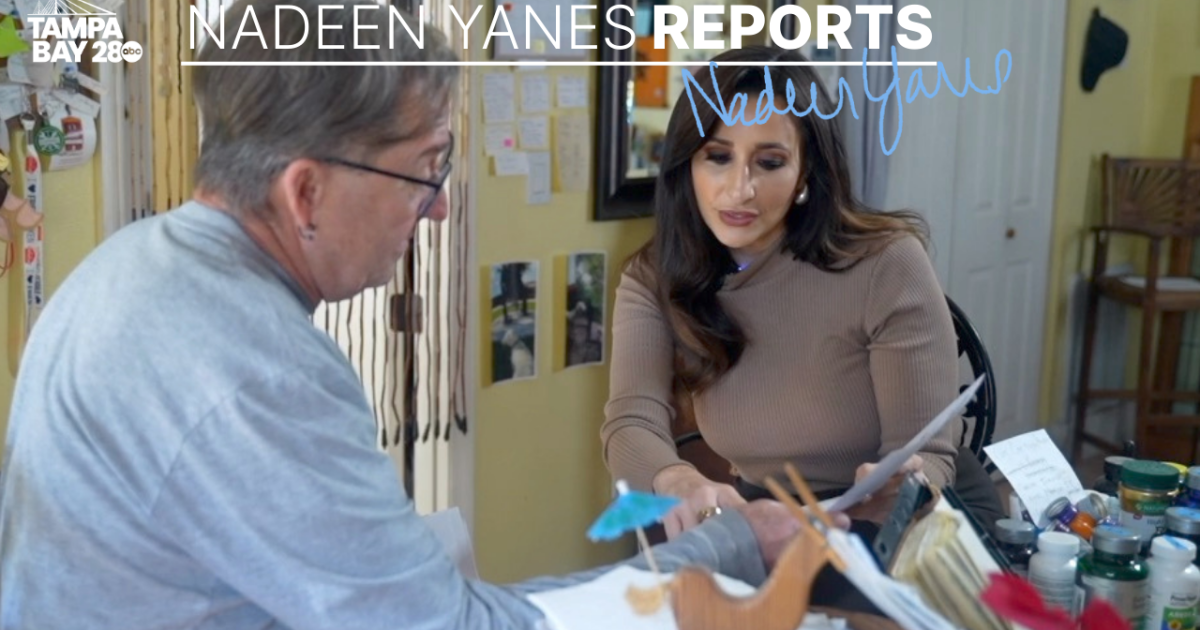
Nadeen yanes interviewing tampa homeowner

This story, first reported by Tampa Bay 28, echoes a growing trend across the state. According to the Insurance Business Journal, as many as 15–20% of Floridians now “go bare,” meaning they carry no property insurance at all — the highest rate in the nation.

“That’s Enough for Me”

Counts, an actor and anthropologist, owns a historic 1913 bungalow. After hearing state leaders claim that Florida’s insurance market was improving, he decided to double‑check his own policy. Instead of relief, he found a dramatic jump in premiums — thousands more than the year prior.

“There was a disconnect for me,” he said. “It went to eight, then 10, and then this year it increased to $14,000. I decided that’s enough for me.”

By December 2025, he received his official Notice of Lapse — his property was now uninsured.

Why Are Homeowners Doing This?

Years of rate hikes, limited coverage options, and post‑storm losses across Florida have drained homeowners’ patience. Many, like Counts, simply feel priced out of their own paradise — a dangerous position for anyone without a mortgage requirement to maintain coverage.

Experts Warn: There Are Options Before Going Bare

Insurance agent Jake Holehouse understands the frustration but cautions homeowners against fully dropping coverage without exploring alternatives. He outlined three cost‑saving strategies:

Option 1: Liability Coverage Only
Provides protection for visitor injuries on your property — the bare minimum many agents recommend.

Option 2: Drop Wind/Hurricane Coverage
Keeps fire, theft, and pipe‑break protection while dramatically reducing hurricane‑related premiums. Often between $800–$2,000/year.

Option 3: Harden Your Home
Upgrading to a new roof, shutters, or hurricane clips can significantly lower premiums and restore insurability.

But Holehouse offers a critical warning: once you fully lapse insurance, many carriers refuse new policies unless coverage existed in the prior 45–60 days.

Florida Professionals Feeling the Pressure

The insurance landscape is reshaping how Floridians buy homes, invest in real estate, and manage long‑term financial security. Real estate professionals, insurers, mortgage brokers, appraisers, and even investors are navigating this volatile new terrain — making industry education more essential than ever.

For those entering or expanding careers in Florida real estate, insurance, or financial services, having an informed foundation is crucial. High‑quality education providers like Cameron Academy help professionals stay aligned with market updates, regulatory changes, and the shifting economic forces driving Florida’s future.

“Priced Out of Paradise”

As for Counts, the insurance crisis has him reconsidering whether Florida is still home:

“There may be other options for me that don’t necessitate staying in Tampa,” he said. “I’m not the only one in this boat.”

With thousands of homeowners facing the same dilemma, the lingering question becomes: How many more Floridians will decide that going bare — or moving out — is their only path forward?


More Articles

Getting licensed or staying ahead in your career can be a journey—but it doesn’t have to be overwhelming. Grab your favorite coffee or tea, take a moment to relax, and browse through our articles. Whether you’re just starting out or renewing your expertise, we’ve got tips, insights, and advice to keep you moving forward. Here’s to your success—one sip and one step at a time!

How Chat‑Based AI Is Transforming Real Estate Photos and First Impressions

Chat‑driven AI tools now let real estate professionals edit listing photos instantly—removing clutter, brightening rooms, updating décor, and even virtually staging a space using simple text prompts. This speed and flexibility help agents create stronger first impressions, accelerate turnover, and present properties more honestly and attractively. With interactive tools becoming common on property sites and transparent editing standards emerging, AI photo enhancement is quickly becoming an essential part of modern real estate marketing.

Commercial Real Estate 2026: The Rise of North Jersey, Market Shifts, and the New Forces Shaping the Industry

The commercial real estate landscape is heading into 2026 with powerful momentum and a fresh set of challenges. PwC’s latest Emerging Trends report places Jersey City and North Jersey among the top U.S. markets to watch, driven by redevelopment energy, tech‑driven infrastructure needs, and the surge of mixed‑use communities. But developers also face rising construction costs, high interest rates, and municipal fatigue that’s stalling projects statewide. From booming demand for data centers to the transformation of retail corridors and the rise of community‑based health care facilities, the year ahead is set to redefine how—and where—growth happens.

The Fed’s Latest Rate Cut Signals a Turning Point for 2026 Mortgage Shoppers

The Federal Reserve has lowered rates to their lowest level since 2022, marking the third cut in four months and setting the stage for gradual downward pressure on mortgage rates in 2026. While mortgage rates don’t drop automatically when the Fed cuts, easing inflation and a softening 10‑year Treasury yield suggest improved affordability, renewed refinancing opportunities and a more active market ahead for real estate and mortgage professionals.

Are Gen Z Really Giving Up on Homeownership? New Data Shows a Surprising Shift

New research reveals that a growing share of Gen Z no longer believes homeownership is within reach, leading to major behavioral changes. With first-time buyer age nearing 40 and affordability hitting new lows, young adults are saving less, working less, and taking on riskier investments. Studies from Northwestern and the University of Chicago show that when the dream of owning a home feels impossible, motivation declines—and financial priorities shift dramatically.

FTC Warns Rental Software Firms: A Major Wake‑Up Call for Property Managers and Real Estate Pros

The FTC has issued warning letters to 13 rental software companies over concerns that their systems may hide mandatory fees and prevent landlords from displaying accurate rental prices. While not formal allegations, the move signals rising federal scrutiny following major enforcement actions against Greystar, RealPage, and Invitation Homes. For real estate professionals, this development highlights the growing importance of transparent pricing, ethical advertising, and staying ahead of regulatory shifts in today’s tech‑driven rental market.

Driver Poses as Hedge Fund Money Manager, SEC Says Fraud Led to Over $1 Million in Losses

A New York man employed only as a driver for a hedge fund founder allegedly reinvented himself as a seasoned investment professional, convincing three investors to trust him with their money. According to the SEC’s complaint, he created a deceptive LLC, used firm marketing materials to appear legitimate, and conducted risky, unauthorized trades that wiped out accounts. The scheme left the victims with more than $1 million in combined losses, prompting the SEC to pursue fraud charges and a permanent industry ban.