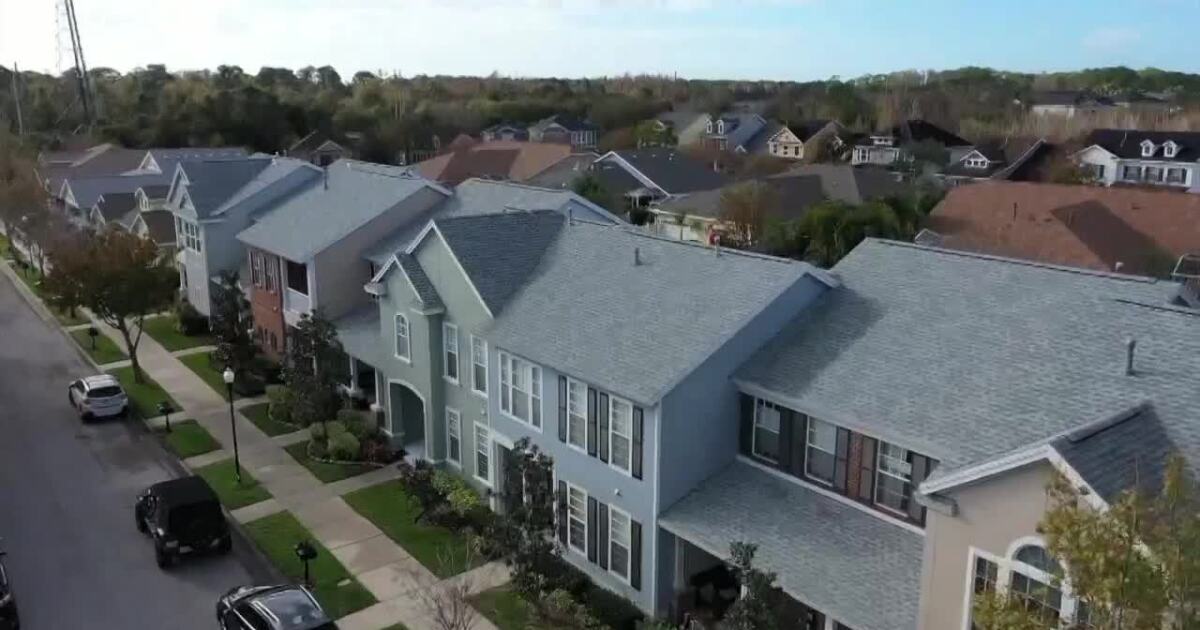
Florida’s Insurance Crisis Hits Home: Tampa Resident Drops Coverage as Rates Skyrocket

Across Florida, homeowners are facing a difficult crossroads — pay climbing insurance premiums or take a major financial risk by going without coverage altogether. For Tampa Heights resident Slake Counts, the decision came after years of relentless increases and mounting frustration. His 2026 renewal quote? An eye‑watering $14,523.
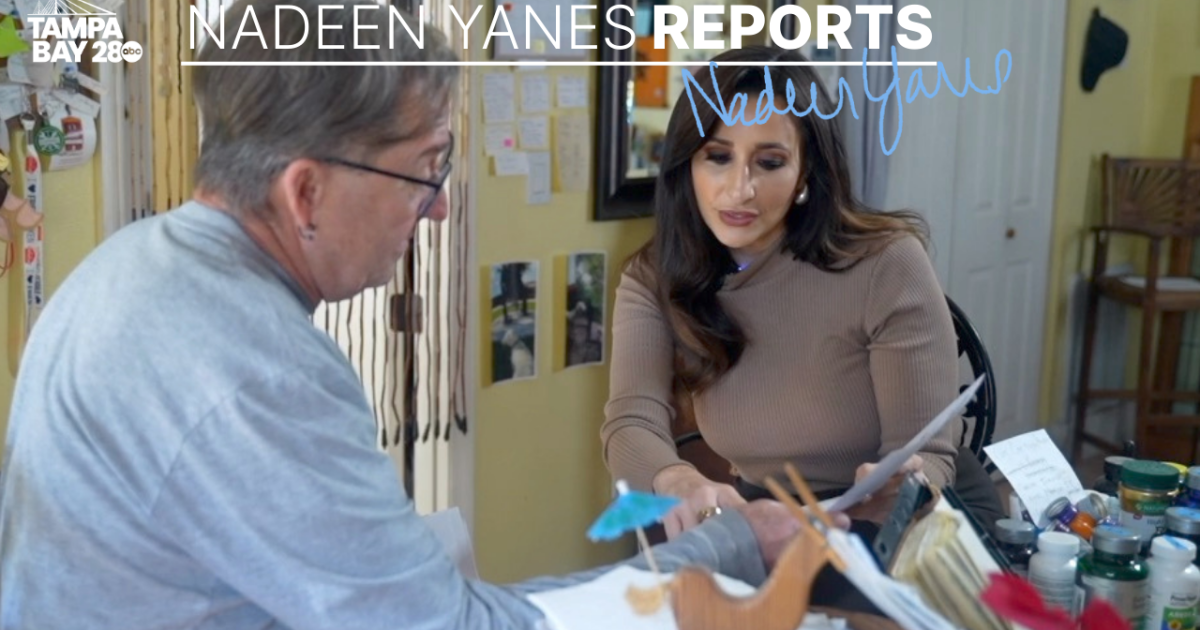
Nadeen yanes interviewing tampa homeowner

This story, first reported by Tampa Bay 28, echoes a growing trend across the state. According to the Insurance Business Journal, as many as 15–20% of Floridians now “go bare,” meaning they carry no property insurance at all — the highest rate in the nation.

“That’s Enough for Me”

Counts, an actor and anthropologist, owns a historic 1913 bungalow. After hearing state leaders claim that Florida’s insurance market was improving, he decided to double‑check his own policy. Instead of relief, he found a dramatic jump in premiums — thousands more than the year prior.

“There was a disconnect for me,” he said. “It went to eight, then 10, and then this year it increased to $14,000. I decided that’s enough for me.”

By December 2025, he received his official Notice of Lapse — his property was now uninsured.

Why Are Homeowners Doing This?

Years of rate hikes, limited coverage options, and post‑storm losses across Florida have drained homeowners’ patience. Many, like Counts, simply feel priced out of their own paradise — a dangerous position for anyone without a mortgage requirement to maintain coverage.

Experts Warn: There Are Options Before Going Bare

Insurance agent Jake Holehouse understands the frustration but cautions homeowners against fully dropping coverage without exploring alternatives. He outlined three cost‑saving strategies:

Option 1: Liability Coverage Only
Provides protection for visitor injuries on your property — the bare minimum many agents recommend.

Option 2: Drop Wind/Hurricane Coverage
Keeps fire, theft, and pipe‑break protection while dramatically reducing hurricane‑related premiums. Often between $800–$2,000/year.

Option 3: Harden Your Home
Upgrading to a new roof, shutters, or hurricane clips can significantly lower premiums and restore insurability.

But Holehouse offers a critical warning: once you fully lapse insurance, many carriers refuse new policies unless coverage existed in the prior 45–60 days.

Florida Professionals Feeling the Pressure

The insurance landscape is reshaping how Floridians buy homes, invest in real estate, and manage long‑term financial security. Real estate professionals, insurers, mortgage brokers, appraisers, and even investors are navigating this volatile new terrain — making industry education more essential than ever.

For those entering or expanding careers in Florida real estate, insurance, or financial services, having an informed foundation is crucial. High‑quality education providers like Cameron Academy help professionals stay aligned with market updates, regulatory changes, and the shifting economic forces driving Florida’s future.

“Priced Out of Paradise”

As for Counts, the insurance crisis has him reconsidering whether Florida is still home:

“There may be other options for me that don’t necessitate staying in Tampa,” he said. “I’m not the only one in this boat.”

With thousands of homeowners facing the same dilemma, the lingering question becomes: How many more Floridians will decide that going bare — or moving out — is their only path forward?


More Articles

Getting licensed or staying ahead in your career can be a journey—but it doesn’t have to be overwhelming. Grab your favorite coffee or tea, take a moment to relax, and browse through our articles. Whether you’re just starting out or renewing your expertise, we’ve got tips, insights, and advice to keep you moving forward. Here’s to your success—one sip and one step at a time!

Commercial Real Estate Steadies as Confidence Strengthens in Late 2025

The commercial real estate sector closed out 2025 with renewed stability, as the Real Estate Roundtable’s latest sentiment index shows rising confidence and improving market fundamentals. Executives report better access to capital, stronger performance in residential, retail, and hospitality, and early signs of recovery in the office market. With financing loosening and asset values climbing, the outlook for 2026 is increasingly optimistic, creating fresh opportunities for both seasoned professionals and newcomers preparing to enter the field.

What the CFPB’s New Disparate Impact Proposal Could Mean for Lenders and Real Estate Pros

The CFPB is proposing changes to how lenders evaluate “disparate impact” under the Equal Credit Opportunity Act, potentially tightening the scrutiny on credit decisions that unintentionally disadvantage protected groups. These updates could reshape underwriting models, lending criteria, and compliance requirements — ultimately influencing mortgage approvals, buyer qualifications, and day‑to‑day real estate activity.

Florida’s Insurance Battle Heats Up: The 2026 Political Showdown Every Property Professional Should Watch

Florida’s insurance crisis has become the defining issue heading into 2026, with Republicans touting recent market improvements while Democrats argue families are still being crushed by soaring premiums. From billion‑dollar auto insurance refunds to condo markets destabilized by post‑Surfside rate spikes, the state’s political divide is shaping the future of real estate, insurance, and affordability for millions.

Insurance Regulation Takes Center Stage: Key Changes Professionals Must Watch This Month

October 2025 brought a wave of major regulatory updates across insurance, finance, and compliance. From stricter oversight on retail insurers and new FCA rules on ESG and travel insurance, to EIOPA’s EU‑wide consultations and refreshed corporate governance standards, regulators signaled higher expectations and faster change ahead. For professionals—and those pursuing licenses—these shifts directly impact risk management, product design, and consumer outcomes, making regulatory awareness a critical competitive advantage.

Commercial Real Estate Lending Roars Back in Q3 as Confidence Surges Across the Market

After nearly two years of sluggish activity, commercial real estate lending is finally accelerating—fast. New data from CBRE shows loan closings jumped 112% year‑over‑year in Q3 2025, reaching their highest level since 2018. With interest rates stabilizing and credit spreads tightening, investors are returning, banks are re‑entering the market, and multifamily financing is dominating once again. The long‑stalled deal flow is thawing, signaling renewed momentum heading into 2026.

Farmers Insurance Reopens California Market but Seeks Nearly 7 Percent Rate Hike

Farmers Insurance is lifting its cap on new homeowner policies in California after two years of limiting growth, signaling a shift in the state’s strained insurance market. The expansion comes with a proposed 6.99 percent rate increase that still needs regulatory approval. Supporters call it a turning point driven by new wildfire‑risk rules, while consumer advocates warn the reforms contain loopholes and could lead to higher costs for homeowners.