Florida’s Insurance Crisis Hits Home: Tampa Resident Drops Coverage as Rates Skyrocket

Across Florida, homeowners are facing a difficult crossroads — pay climbing insurance premiums or take a major financial risk by going without coverage altogether. For Tampa Heights resident Slake Counts, the decision came after years of relentless increases and mounting frustration. His 2026 renewal quote? An eye‑watering $14,523.
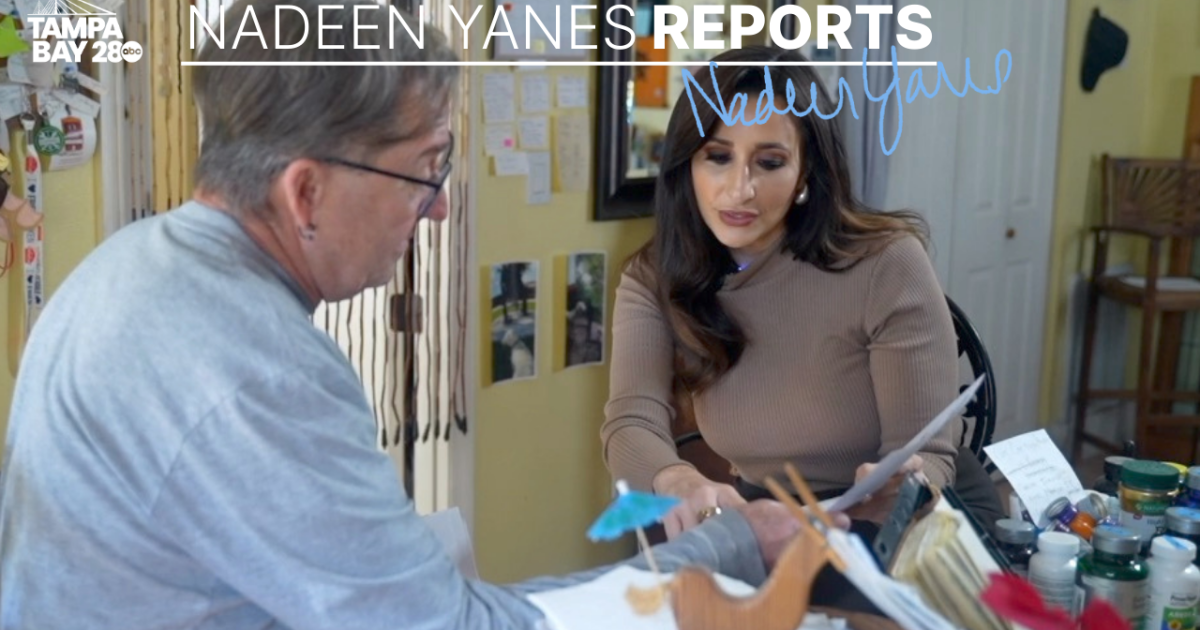
Nadeen yanes interviewing tampa homeowner

This story, first reported by Tampa Bay 28, echoes a growing trend across the state. According to the Insurance Business Journal, as many as 15–20% of Floridians now “go bare,” meaning they carry no property insurance at all — the highest rate in the nation.

“That’s Enough for Me”

Counts, an actor and anthropologist, owns a historic 1913 bungalow. After hearing state leaders claim that Florida’s insurance market was improving, he decided to double‑check his own policy. Instead of relief, he found a dramatic jump in premiums — thousands more than the year prior.

“There was a disconnect for me,” he said. “It went to eight, then 10, and then this year it increased to $14,000. I decided that’s enough for me.”

By December 2025, he received his official Notice of Lapse — his property was now uninsured.

Why Are Homeowners Doing This?

Years of rate hikes, limited coverage options, and post‑storm losses across Florida have drained homeowners’ patience. Many, like Counts, simply feel priced out of their own paradise — a dangerous position for anyone without a mortgage requirement to maintain coverage.

Experts Warn: There Are Options Before Going Bare

Insurance agent Jake Holehouse understands the frustration but cautions homeowners against fully dropping coverage without exploring alternatives. He outlined three cost‑saving strategies:

Option 1: Liability Coverage Only
Provides protection for visitor injuries on your property — the bare minimum many agents recommend.

Option 2: Drop Wind/Hurricane Coverage
Keeps fire, theft, and pipe‑break protection while dramatically reducing hurricane‑related premiums. Often between $800–$2,000/year.

Option 3: Harden Your Home
Upgrading to a new roof, shutters, or hurricane clips can significantly lower premiums and restore insurability.

But Holehouse offers a critical warning: once you fully lapse insurance, many carriers refuse new policies unless coverage existed in the prior 45–60 days.

Florida Professionals Feeling the Pressure

The insurance landscape is reshaping how Floridians buy homes, invest in real estate, and manage long‑term financial security. Real estate professionals, insurers, mortgage brokers, appraisers, and even investors are navigating this volatile new terrain — making industry education more essential than ever.

For those entering or expanding careers in Florida real estate, insurance, or financial services, having an informed foundation is crucial. High‑quality education providers like Cameron Academy help professionals stay aligned with market updates, regulatory changes, and the shifting economic forces driving Florida’s future.

“Priced Out of Paradise”

As for Counts, the insurance crisis has him reconsidering whether Florida is still home:

“There may be other options for me that don’t necessitate staying in Tampa,” he said. “I’m not the only one in this boat.”

With thousands of homeowners facing the same dilemma, the lingering question becomes: How many more Floridians will decide that going bare — or moving out — is their only path forward?


More Articles

Getting licensed or staying ahead in your career can be a journey—but it doesn’t have to be overwhelming. Grab your favorite coffee or tea, take a moment to relax, and browse through our articles. Whether you’re just starting out or renewing your expertise, we’ve got tips, insights, and advice to keep you moving forward. Here’s to your success—one sip and one step at a time!

AI Is Reshaping Real Estate: The Tools, Upgrades, and Trends Every Agent Should Be Watching

Artificial intelligence is accelerating across the real estate industry, bringing new productivity platforms, smarter MLS systems, cleaner data tools, and AI‑powered consumer guidance. From United Real Estate’s BullseyeAI assistant to Zillow’s integration with Google NotebookLM and major MLS restructures, technology is rapidly reshaping how agents research properties, communicate with clients, and manage daily workflows. For future and current professionals, understanding these tools isn’t optional—it's becoming the new foundation for a competitive real estate career.

New Federal Rule Targets “Dirty Money” in U.S. Real Estate, Reshaping Compliance for Agents Nationwide

A sweeping Treasury Department rule has activated the first nationwide anti–money laundering requirements for residential real estate, forcing professionals involved in closings and settlements to report certain non‑financed property transfers. The move closes long‑standing loopholes that allowed criminals, corrupt officials, and foreign adversaries to hide illicit funds in U.S. housing. Backed by recent federal court decisions, the rule positions the U.S. as a global leader in financial transparency—and signals that commercial real estate may be next. For today’s real estate professionals, staying compliant is becoming just as essential as understanding the market itself.

United Real Estate Launches BullseyeAI, a Game‑Changing AI Suite Built to Supercharge Agent Productivity

United Real Estate has introduced BullseyeAI, a fully integrated AI platform designed to help agents cut overhead, automate daily tasks, and reclaim valuable time. Powered by a proprietary large‑language‑model system, BullseyeAI blends dashboards, navigation, voice commands, and automated assistants into one intelligent workspace. With AI agents like Sofie and Rosie managing client nurturing, recruiting workflows, marketing, data handling, and more, the platform marks a major leap toward faster, smarter productivity for real estate professionals.

Florida City Enforces New Driveway Parking Ban, Leaving Homeowners Facing Surprise Fines

Boynton Beach residents are reeling after a new city ordinance began issuing fines to homeowners for parking on their own property—unless the vehicle sits on an official driveway. The rule bans parking on grass or unpaved areas, shocking families who’ve parked the same way for years. With fines starting at 25 dollars per car and rising if unpaid, many residents say the sudden crackdown is unfair and financially burdensome, sparking a heated debate over property rights and local government authority.

AI and MLS Upgrades Are Reshaping Real Estate Faster Than Ever

From AI assistants like United’s BullseyeAI to MLS upgrades rolling out across the country, real estate professionals are entering a new tech‑driven era. This week’s highlights include smarter productivity tools, unified MLS systems, enhanced data access, and even AI‑powered buyer education through Zillow’s new NotebookLM partnership. Whether you’re a seasoned broker or preparing for your license exam, these innovations show how rapidly the industry is evolving—and why staying informed is becoming essential for success.

AI Is Rewriting the Rules of Real Estate Data—And MLSs Are Scrambling to Keep Up

Artificial intelligence is rapidly moving from a helpful tool to a central force inside real estate transactions, MLS systems, and agent workflows. As AI reshapes everything from listing photos to data distribution, MLSs, regulators, and brokerages are racing to set clear rules that protect consumers and reduce legal risks. With new laws, updated agreements, and rising debates over who should regulate AI, the industry is confronting a defining moment—one that every current and future real estate professional must understand.