Florida Homeowners Face Soaring Insurance Costs as Lawmakers Push for Reform

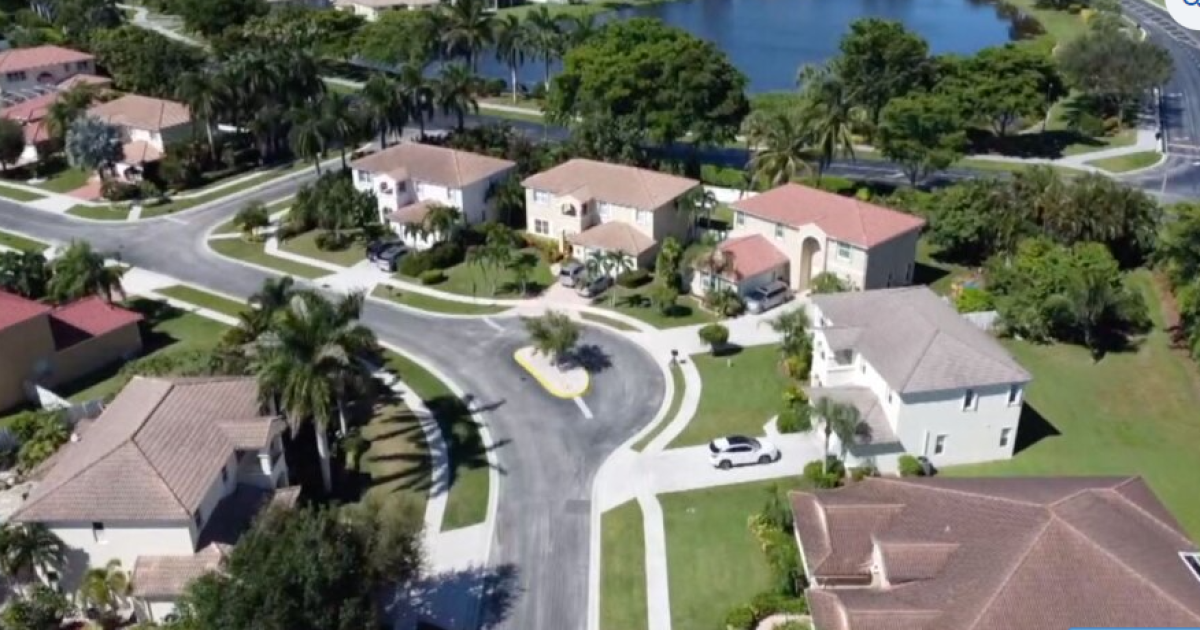
Florida homeowners are waking up to some of the highest insurance premiums in the nation, according to new findings highlighted by WPTV News Channel 5 West Palm. A recent Bankrate report shows the average Florida homeowner now pays $5,838 per year — nearly $3,000 above the national average. For many residents, these aren’t just numbers; they’re a crisis edging closer to the breaking point.

Florida insurance statistics graphic

“Everything’s Tripled” — Homeowners Speak Out

West Palm Beach resident Jeff Heun told WPTV that his premiums have skyrocketed over the years. He once paid $3,400 annually, but rising rates forced him to rethink every financial decision — including whether to file a claim at all.

I was gonna file a claim but I would have had my premiums doubled,” Heun said. Another local resident explained that mandatory wind coverage tied to his mortgage is squeezing his family’s budget so tightly that home improvements now feel completely out of reach.

Some Floridians are even opting out entirely. One woman interviewed said she hasn’t held homeowners insurance for 25 years, choosing instead to save the money and self-insure for emergencies.

Denied Claims and Delayed Payments Add to the Pressure

Beyond high prices, Florida leads the nation in denied insurance claims. More than 40% of claims in the state close with no payment at all.

In Loxahatchee, Bob and Pam Fix found themselves underpaid after a tornado caused over $40,000 in damage. Their insurer initially offered $4,500 — later raised to $7,000 — but still far short. After WPTV investigated the situation, the couple was awarded the full $41,000 needed for repairs.

“Unless this is reversed in Florida and beyond, I see a bigger problem ahead,” warned Dr. Martin Weiss of Weiss Ratings, urging stronger transparency and consumer empowerment.

The Push for Accountability in Tallahassee

Florida State Senator Carlos Guillermo Smith, part of the Insurance Fairness Project and Unlocking America’s Future, is spearheading efforts to bring accountability to insurers and their affiliated managing general agents. According to Smith, many Floridians are unknowingly paying inflated fees that primarily fuel corporate profit — not protection.

Despite facing a supermajority Republican legislature, Smith states lawmakers are “throwing everything at the wall to see what sticks,” pushing proposals such as:

  • Limiting annual rate increases to 10–15%
  • Making impact-resistant doors and windows tax-free
  • Encouraging storm‑proofing upgrades to lower premiums long‑term

These measures may gain traction as public pressure intensifies and affordability concerns reach their tipping point.

What This Means for Real Estate and Insurance Professionals

For Florida professionals in real estate, mortgage, or insurance, these developments will shape client conversations, policy expectations, and market behavior throughout 2025 and beyond. Homebuyers increasingly ask about insurance costs before anything else — making expert‑level knowledge essential.

For those looking to enter or advance in Florida’s real estate or insurance fields, Cameron Academy provides flexible, modern licensing courses that help professionals stay competitive in a rapidly shifting market. Whether you’re renewing, upgrading, or beginning your career, our state‑approved programs keep you informed and empowered.

As the Florida legislature prepares for heated debates later this year, homeowners — and the professionals who serve them — will be watching closely to see whether meaningful relief finally arrives.

Full original reporting courtesy of WPTV News Channel 5 West Palm.

More Articles

Getting licensed or staying ahead in your career can be a journey—but it doesn’t have to be overwhelming. Grab your favorite coffee or tea, take a moment to relax, and browse through our articles. Whether you’re just starting out or renewing your expertise, we’ve got tips, insights, and advice to keep you moving forward. Here’s to your success—one sip and one step at a time!

Commercial Real Estate 2026: A Stabilizing Market Finally Finds Its Rhythm

After a turbulent 2025 marked by stalled construction, tight capital, and economic uncertainty, commercial real estate is finally entering a period of stabilization and early recovery. Analysts across Colliers, Cushman & Wakefield, CoStar, KBW, and Deloitte agree that 2026 brings a “new equilibrium,” with capital markets waking up, vacancies peaking, and investment activity returning. Office, industrial, retail, multifamily, and data center sectors each tell a different story—some recovering, some booming, some transforming—but all show signs of renewed momentum. For investors and professionals, 2026 offers cautious yet promising opportunities as the industry regains its footing.

Five New Florida Laws Every Professional Should Know in 2026

Florida kicked off the new year with five impactful laws now in effect, influencing healthcare, insurance, animal welfare, and government employees statewide. From faster medical refund requirements to new pet‑insurance transparency rules and expanded benefits for state workers, these updates are already reshaping daily life and professional practices. Whether you work in real estate, insurance, healthcare, or any state‑licensed field, staying informed on these changes is essential as regulations continue to shift rapidly across Florida.

Commercial Real Estate in 2026 Shows Clear Signs of Stabilization and Recovery

The commercial real estate market is entering 2026 with renewed momentum and long‑awaited signs of stability. Major research firms report a “new equilibrium” forming across asset classes, supported by lower interest rates, easing lending conditions, and returning investor confidence. Office vacancies are projected to improve, industrial demand remains strong despite reduced construction, and data centers continue to dominate growth. With capital markets reawakening and REITs poised for a potential breakout year, professionals who stay informed and expand their skill sets could find 2026 filled with fresh opportunity.

Mortgage Rates Drop to 15‑Month Low as 2026 Housing Market Shows Signs of Thawing

Mortgage rates have fallen to their lowest point since 2024, giving homebuyers a much‑needed break as 2026 begins. The average 30‑year fixed rate now sits near 6.12% to 6.15%, driven by multiple Fed rate cuts and cooling economic signals. While lower rates are boosting buyer optimism, tight inventory and the lingering lock‑in effect continue to challenge the market. This shift may open a key opportunity window for buyers— and for real estate and mortgage professionals looking to stay ahead of rapid industry changes.

Florida’s Great Tax Shake-Up: The 2026 Property Tax Overhaul That Could Reshape Homeownership

Florida is gearing up for what could be its biggest property tax transformation in decades. With state leaders, including Gov. Ron DeSantis, exploring ways to reduce or even eliminate property taxes as early as 2026, homeowners and real estate professionals are bracing for major changes. While supporters argue that Florida can cut back the nearly $60 billion in annual property tax revenue without harming essential services, local officials warn the move could jeopardize police, fire, EMS, and community programs. As the debate intensifies heading into the 2026 legislative session, the future of Florida’s housing affordability and municipal funding hangs in the balance.

New Florida Laws Taking Effect January 1: Key 2026 Updates Every Professional Should Know

Florida is starting 2026 with a slate of major new laws impacting health care, insurance, real estate, consumer protection, and public safety. From free breast‑cancer diagnostic exams for state employees to new transparency rules for condo associations and stricter regulations on pet insurance, these changes will influence professionals across multiple industries. Whether you work in real estate, insurance, health services, or public policy, understanding these updates will help you stay compliant and ahead of Florida’s fast‑evolving regulatory landscape.