Florida Homeowners Face Record-Breaking Insurance Costs — And A Growing Push for Change
Florida homeowners are waking up to a reality that feels less like “Sunshine State living” and more like a financial storm cloud. New findings from a Bankrate.com study reveal that Floridians now pay an average of $5,838 per year for homeowner’s insurance — nearly $3,000 more than the national average. This places Florida firmly among the most expensive states in America.
This isn’t just a statistic — it’s a financial shockwave. For thousands, it’s reshaping budgets, delaying retirement, and prompting some to reconsider whether staying in Florida is still feasible. WPTV News Channel 5 has been gathering homeowner experiences, professional insights, and legislative reactions — and the resulting picture is complex, urgent, and deeply human.
“Everything’s Tripled” — Homeowners Speak Out
West Palm Beach resident Jeff Heun shared with WPTV how dramatically his insurance premiums have risen. When asked if the increases were gradual, he didn’t hesitate: “Oh yeah, everything’s tripled.”
Heun admitted he considered filing a claim once, but feared his premiums would double afterward. Despite paying year after year, he has never once used his insurance.
His message to state leaders? A simple but powerful plea: “Do something.”
Another Palm Beach County homeowner said the rising cost of living, mandatory wind coverage, and mortgage requirements are siphoning money he’d rather invest in upgrades like stormproof windows and doors.
Some Homeowners Are Dropping Insurance Altogether
One woman interviewed hasn’t carried homeowner’s insurance in 25 years. Instead, she banks the money she would’ve spent on premiums and uses it for repairs when emergencies arise. A bold move — though not without serious risks in a state routinely hit by hurricanes and severe storms.
When Disaster Strikes, Not Everyone Gets Help
After a tornado caused more than $40,000 in damage to their Loxahatchee home, residents Bob and Pam Fix turned to their insurer for help. The initial offer: $4,500. After pushback, it was raised to $7,000 — still nowhere near the actual cost to repair.
WPTV’s investigative team stepped in. After reviewing the case, the Fixes were ultimately approved for the full $41,000 they needed. Sadly, their story is far from rare — many Floridians face delayed, minimized, or outright denied payouts.
The Numbers Behind the Crisis
Florida now leads the nation in:
•
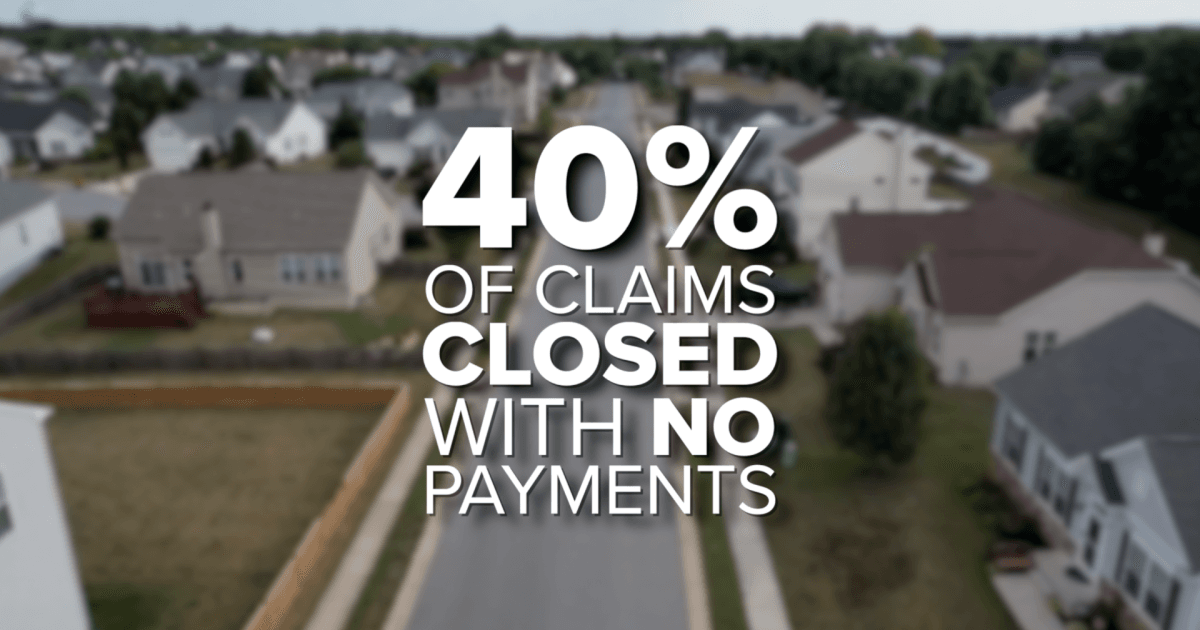
Claim denials — over
40% closed with no payment
•
Dropped policy renewals — highest in the nation at
3.3%
Dr. Martin Weiss of Weiss Ratings, part of the Insurance Fairness Project, told WPTV: “Unless this is reversed in Florida and beyond, I see a bigger problem ahead.”
Lawmakers Push Back — But Political Obstacles Remain
Florida Senator Carlos Guillermo Smith is pushing for more transparency between insurers and their managing general agents — calling out inflated fees and opaque practices that contribute to skyrocketing premiums.
But Florida’s legislative supermajority makes systemic reform difficult. Smith described their strategy as a “throw everything at the wall” approach — pushing as many proposals as possible to force conversation.
Reform measures under consideration include:
• Capping annual rate increases at
10–15%
• Eliminating taxes on impact-resistant windows, doors, and garage doors
Supporters say these changes could empower homeowners to stormproof their properties — potentially lowering premiums over time.
What This Means for Real Estate, Mortgage, and Insurance Professionals
These insurance trends have direct implications for real estate agents, brokers, mortgage loan officers, insurance agents, and property managers. Rising premiums cut into buying power, delay closings, and create new complexities in client consultations.
Understanding Florida’s insurance landscape is no longer optional — it’s essential.
Working toward a real estate, insurance, or mortgage license? Cameron Academy delivers flexible, modern online education designed for today’s fast-changing market. Stay informed. Stay competitive. Stay ahead.
Looking Ahead
As new legislative sessions unfold, Florida’s property insurance future hangs in the balance. Whether reforms bring stability — or whether homeowners continue shouldering growing financial strain — remains to be seen.
For now, Floridians continue navigating tough choices, hoping meaningful relief is on the horizon.
Source: WPTV News Channel 5 West Palm
Original report: View on WPTV