Florida Homeowners Face Record-Breaking Insurance Costs — And A Growing Push for Change

Florida homeowners are waking up to a reality that feels less like “Sunshine State living” and more like a financial storm cloud. New findings from a Bankrate.com study reveal that Floridians now pay an average of $5,838 per year for homeowner’s insurance — nearly $3,000 more than the national average. This places Florida firmly among the most expensive states in America.

This isn’t just a statistic — it’s a financial shockwave. For thousands, it’s reshaping budgets, delaying retirement, and prompting some to reconsider whether staying in Florida is still feasible. WPTV News Channel 5 has been gathering homeowner experiences, professional insights, and legislative reactions — and the resulting picture is complex, urgent, and deeply human.

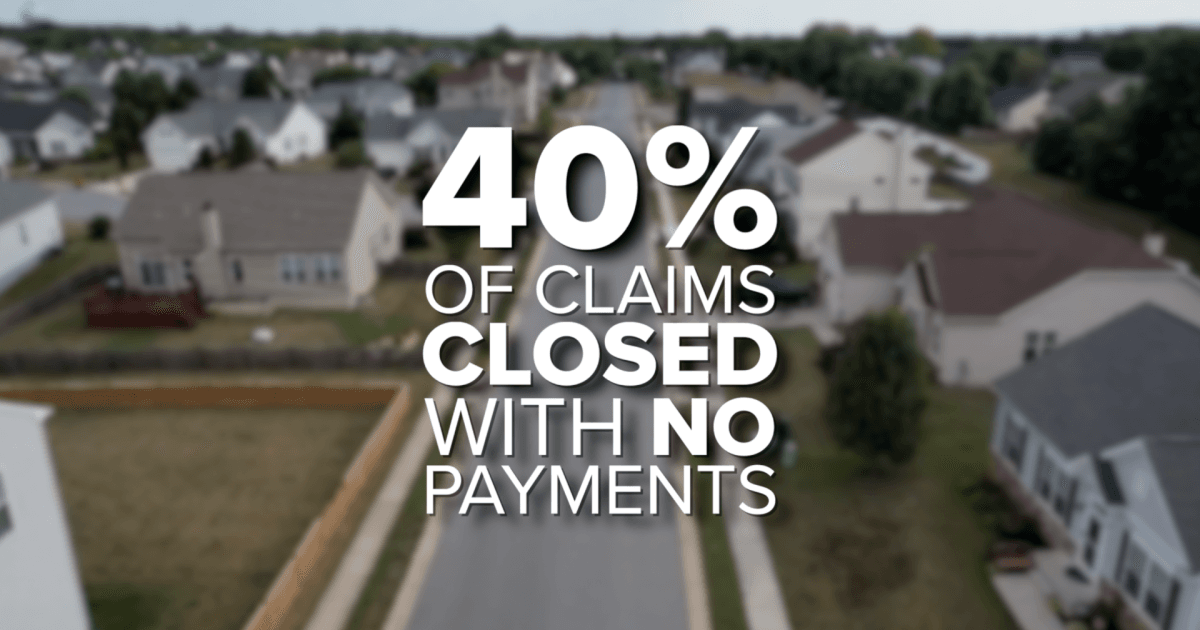
Florida insurance claim statistics graphic

“Everything’s Tripled” — Homeowners Speak Out

West Palm Beach resident Jeff Heun shared with WPTV how dramatically his insurance premiums have risen. When asked if the increases were gradual, he didn’t hesitate: “Oh yeah, everything’s tripled.”

Heun admitted he considered filing a claim once, but feared his premiums would double afterward. Despite paying year after year, he has never once used his insurance.

His message to state leaders? A simple but powerful plea: “Do something.”

Another Palm Beach County homeowner said the rising cost of living, mandatory wind coverage, and mortgage requirements are siphoning money he’d rather invest in upgrades like stormproof windows and doors.

Some Homeowners Are Dropping Insurance Altogether

One woman interviewed hasn’t carried homeowner’s insurance in 25 years. Instead, she banks the money she would’ve spent on premiums and uses it for repairs when emergencies arise. A bold move — though not without serious risks in a state routinely hit by hurricanes and severe storms.

When Disaster Strikes, Not Everyone Gets Help

After a tornado caused more than $40,000 in damage to their Loxahatchee home, residents Bob and Pam Fix turned to their insurer for help. The initial offer: $4,500. After pushback, it was raised to $7,000 — still nowhere near the actual cost to repair.

WPTV’s investigative team stepped in. After reviewing the case, the Fixes were ultimately approved for the full $41,000 they needed. Sadly, their story is far from rare — many Floridians face delayed, minimized, or outright denied payouts.

The Numbers Behind the Crisis

Florida now leads the nation in:

Claim denials — over 40% closed with no payment
Dropped policy renewals — highest in the nation at 3.3%

Dr. Martin Weiss of Weiss Ratings, part of the Insurance Fairness Project, told WPTV: “Unless this is reversed in Florida and beyond, I see a bigger problem ahead.”

Lawmakers Push Back — But Political Obstacles Remain

Florida Senator Carlos Guillermo Smith is pushing for more transparency between insurers and their managing general agents — calling out inflated fees and opaque practices that contribute to skyrocketing premiums.

But Florida’s legislative supermajority makes systemic reform difficult. Smith described their strategy as a “throw everything at the wall” approach — pushing as many proposals as possible to force conversation.

Reform measures under consideration include:

• Capping annual rate increases at 10–15%
• Eliminating taxes on impact-resistant windows, doors, and garage doors

Supporters say these changes could empower homeowners to stormproof their properties — potentially lowering premiums over time.

What This Means for Real Estate, Mortgage, and Insurance Professionals

These insurance trends have direct implications for real estate agents, brokers, mortgage loan officers, insurance agents, and property managers. Rising premiums cut into buying power, delay closings, and create new complexities in client consultations.

Understanding Florida’s insurance landscape is no longer optional — it’s essential.

Working toward a real estate, insurance, or mortgage license? Cameron Academy delivers flexible, modern online education designed for today’s fast-changing market. Stay informed. Stay competitive. Stay ahead.

Looking Ahead

As new legislative sessions unfold, Florida’s property insurance future hangs in the balance. Whether reforms bring stability — or whether homeowners continue shouldering growing financial strain — remains to be seen.

For now, Floridians continue navigating tough choices, hoping meaningful relief is on the horizon.

Source: WPTV News Channel 5 West Palm
Original report: View on WPTV

More Articles

Getting licensed or staying ahead in your career can be a journey—but it doesn’t have to be overwhelming. Grab your favorite coffee or tea, take a moment to relax, and browse through our articles. Whether you’re just starting out or renewing your expertise, we’ve got tips, insights, and advice to keep you moving forward. Here’s to your success—one sip and one step at a time!

Why Today’s High Mortgage Rates Matter More Than Ever for the Housing Market

A growing share of American homeowners now carry mortgage rates above 5%—a dramatic shift that’s reshaping refinancing, inventory, and buyer behavior nationwide. With more than 30% of borrowers locked into rates over 5% and 20% above 6%, the market is split between owners holding on to low pandemic‑era loans and new buyers taking on higher‑rate mortgages. Federal efforts to push rates down could unlock millions of refinancing opportunities, while buyers see only modest monthly savings. For real estate professionals, understanding these rate dynamics is crucial as they increasingly drive inventory levels, affordability, and market activity.

CRE Deal Volume Dips in December, but Office Sector Stages an Unexpected Comeback

New Moody’s data shows commercial real estate deal volume slipped 20% in December, marking a second monthly decline. Yet the full year tells a different story: 2025 ended with a 17% gain, signaling a quiet but resilient recovery. The biggest surprise came from the office sector, which posted a 21% jump in activity as return‑to‑office trends and AI‑driven job growth boosted demand. Multifamily, retail, and alternative assets like data centers also saw strong momentum, giving real estate professionals a market full of fresh opportunities heading into 2026.

Florida Kicks Off 2026 With Major Auto Insurance Rate Cuts and Market Stability

Florida drivers and industry professionals are heading into 2026 with good news: auto insurance rates are dropping across the state as the market shows strong signs of stabilization. USAA leads the latest wave with a 7% average rate decrease expected in May 2026, saving members more than $125 million annually. They join several major insurers — including State Farm, Progressive, AAA, Allstate, and Florida Farm Bureau — all approving significant reductions. Officials credit recent legislative reforms, especially tort reform, for the improved loss ratios and renewed insurer confidence. With both auto and home insurance markets strengthening, Florida’s real estate, mortgage, and insurance professionals can expect more consumer confidence, smoother transactions, and expanding career opportunities.

The 2024 Housing Shortage: Why America Is Still 1.2 Million Homes Behind

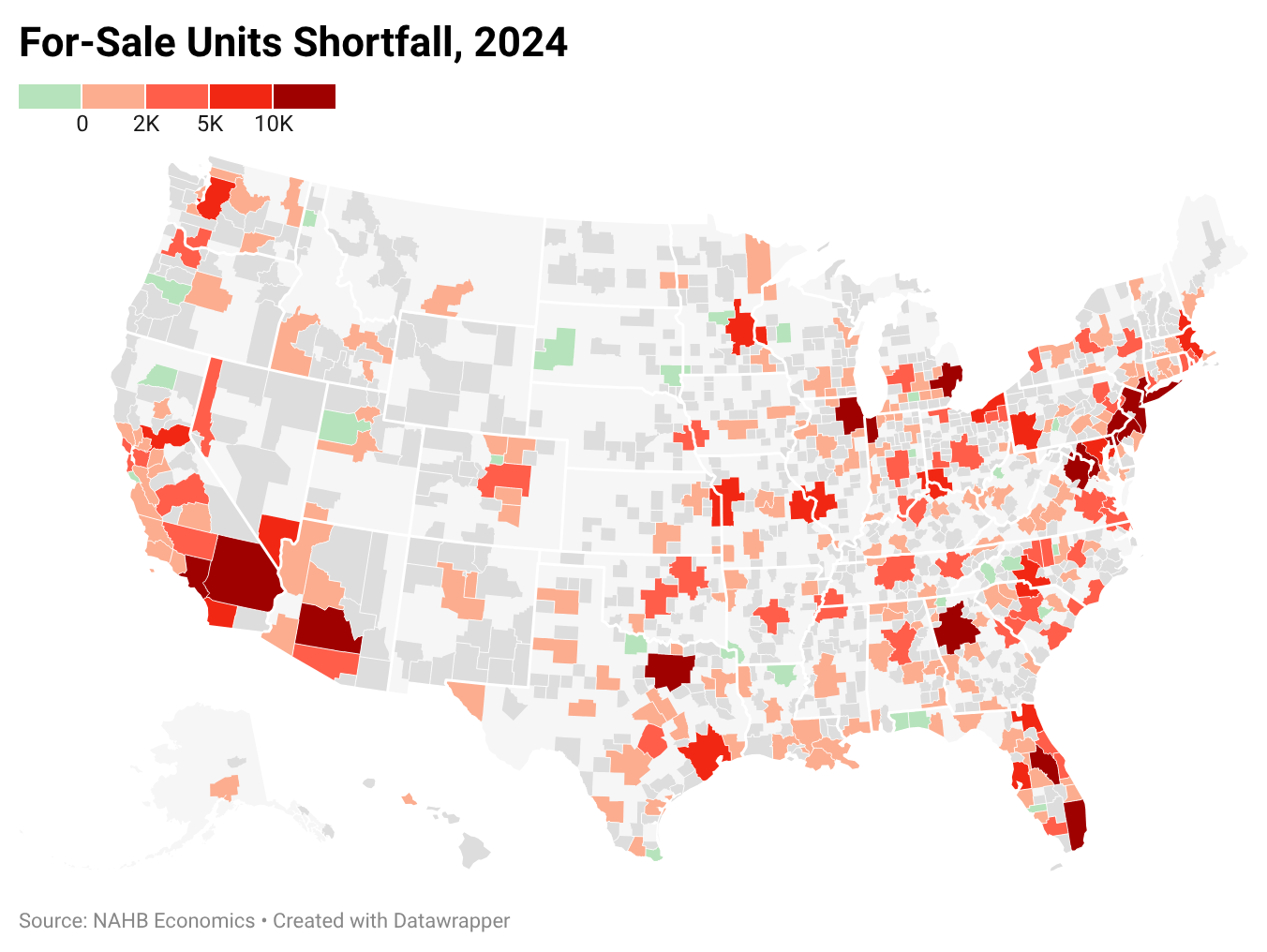
New data from Eye On Housing and the NAHB shows the U.S. remains short more than 1.2 million housing units, keeping pressure on both rents and home prices. Record‑low vacancy rates, slow single‑family construction, and restrictive zoning continue to fuel intense competition in 2024. Major metros like Chicago, New York, and Atlanta face some of the deepest deficits, and the true nationwide shortfall may be even higher when accounting for overcrowding and aging homes. For real estate professionals, the ongoing shortage means sustained demand, tighter inventory, and major opportunities for those who understand the evolving market.

AI Isn’t the Shiny Object Anymore — It’s the New System Driving Real Estate Success

Top real estate coach Jason Pantana says the divide between agents today isn’t about who has “tried” AI — it’s about who is immersed in it. In a new HousingWire interview, he explains why AI isn’t a gimmick but a full business system that amplifies output, improves authenticity, and reshapes how clients search for agents. From prompt mastery to AI‑driven visibility on Google, Pantana reveals how agents who commit even 15 minutes a day to learning AI are already outperforming those who hesitate.

DFW Commercial Real Estate 2025: Industrial Surges, Retail Shines, Office Struggles

Dallas–Fort Worth’s commercial real estate market closed 2025 with a split personality. Industrial dominated with massive new deliveries and soaring leasing demand, retail held steady with some of the market’s strongest fundamentals in years, and office continued to falter under remote‑work pressures. High vacancies, weak absorption, and rising demand for top‑tier space show the sector’s ongoing reset. Meanwhile, industrial and retail strength position the Metroplex for another powerhouse year heading into 2026.