Florida Homeowners Finally Get Relief: Spring Insurance Savings Arrive
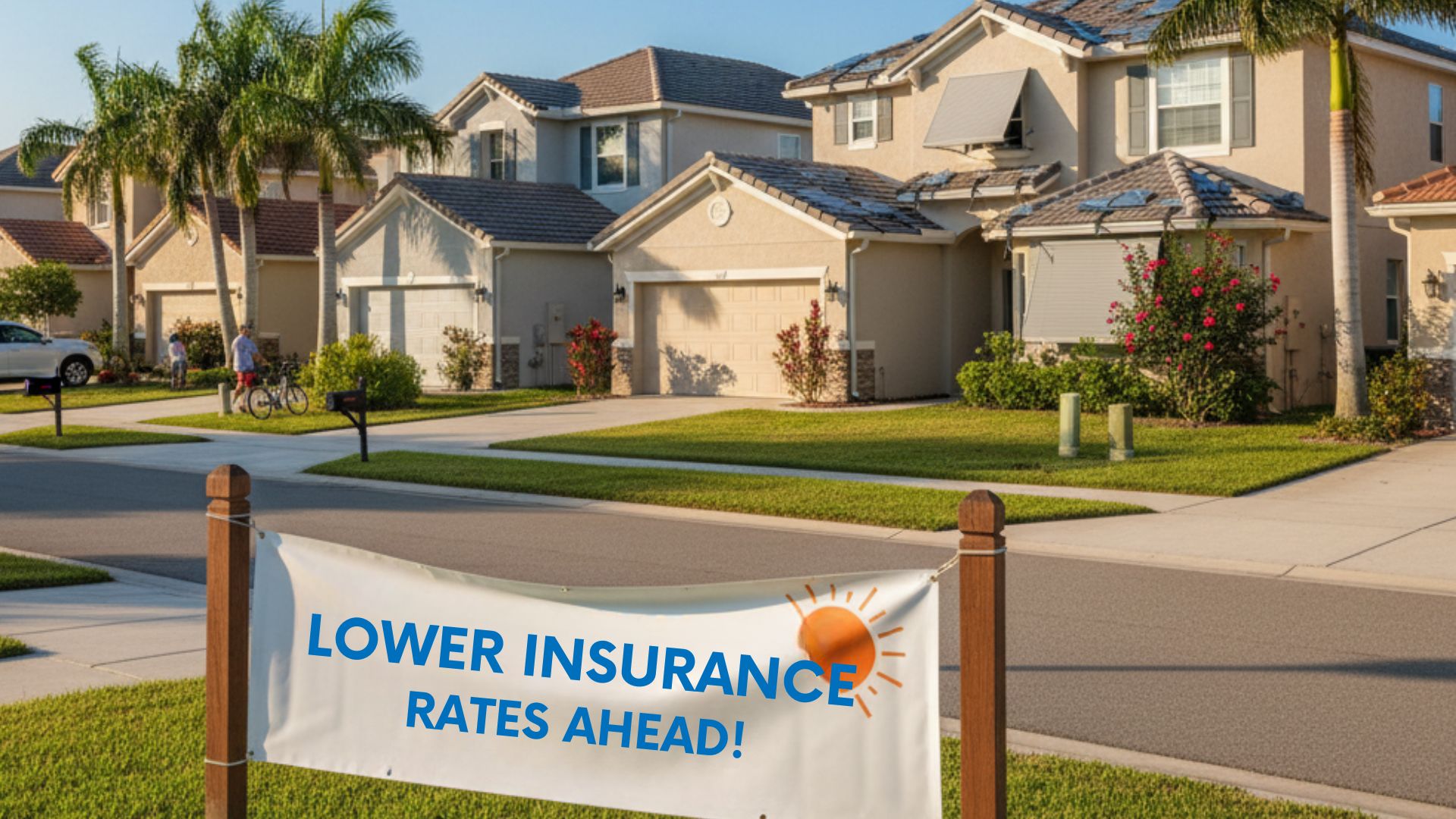
Spring 2026 is delivering more than warm weather for Florida homeowners. It is bringing long-awaited financial relief as insurance premiums across the state take a meaningful dip. After years of instability, skyrocketing rates, and insurer exits, Floridians are finally seeing the payoff from a wave of bold reforms.
Interactive Highlight: Tap to Reveal the Biggest Savings by County
Broward County: 14.1 percent average reduction Miami-Dade: 14.0 percent Palm Beach: 11.9 percent Monroe: 11.3 percent, including over 8,000 wind-only policies
What Sparked the Transformation?
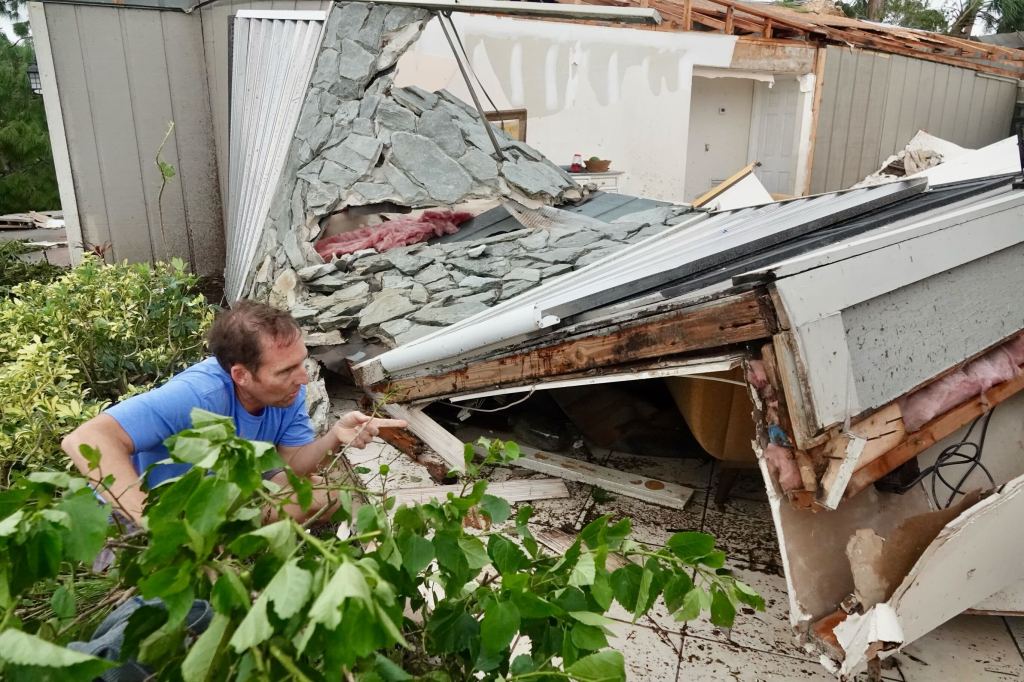
Just a few years ago, Florida’s windstorm insurance landscape looked bleak. Litigation abuse, inflated claims, and insurer withdrawals left many homeowners with few options and overwhelming costs. Recognizing the urgency, state leaders launched sweeping reforms designed to stabilize the market and protect consumers.
Key changes included:
Eliminating one-way attorney fees that encouraged excessive lawsuits
Cracking down on assignment-of-benefits arrangements
Attracting new insurers to restore competition and expand coverage options
The results have been dramatic. Seventeen new insurers have entered the market, claims have decreased, and the financial health of carriers has strengthened across the state.
Real Savings for Real Homeowners
More than 330,000 Citizens Property Insurance policyholders will see an average reduction of 8.7 percent this spring. For many households in South Florida, the savings are even greater, reaching up to 14 percent in some areas. After years of rising premiums, this is a breath of fresh air.
Private insurers are contributing as well. Companies like Florida Peninsula, Security First, and Universal Property and Casualty have filed for reductions between 5 and 8.2 percent. Even auto insurers including USAA, State Farm, and Progressive are lowering rates, signaling broad market improvement.
Florida’s Economy Feels the Ripple Effect
The reforms have produced benefits beyond the insurance sector. Businesses operating in Florida, including Uber, have reported significant cost reductions. Lower insurance expenses have kept fare increases several percentage points lower than in other states, benefiting both riders and drivers.
According to state officials, these improvements are directly tied to the legislative reforms of recent years. Insurance Commissioner Mike Yaworsky expressed optimism that these gains will continue as long as the reforms remain in place.
What Comes Next?
While current trends are positive, long-term stability depends on sustaining competition, preparing for extreme weather seasons, and keeping reforms intact. Critics worry that new insurers might retreat after catastrophic events, but supporters argue the stronger regulatory environment will help the market stay resilient.
Why This Matters for Real Estate and Insurance Professionals
Lower insurance premiums can boost homebuyer confidence, increase market activity, and improve overall affordability. For real estate, mortgage, and insurance professionals, this shift is essential to understand.
At Cameron Academy, we help future professionals stay ahead of market changes like these. Whether you are renewing a license or starting a new career in real estate, insurance, mortgage, or finance, understanding industry trends is a core part of long-term success.
Final Thoughts
Florida’s insurance market has entered a new chapter. With reforms in place and premiums dropping, homeowners, businesses, and professionals all stand to benefit. While uncertainties remain, Spring 2026 is shaping up to be a season of financial relief and renewed optimism.
For now, Floridians can take a deep breath and enjoy the savings. And for those entering or advancing in the real estate or insurance fields, there has never been a better time to stay informed and get licensed through trusted education providers like Cameron Academy.
More Articles
Getting licensed or staying ahead in your career can be a journey—but it doesn’t have to be overwhelming. Grab your favorite coffee or tea, take a moment to relax, and browse through our articles. Whether you’re just starting out or renewing your expertise, we’ve got tips, insights, and advice to keep you moving forward. Here’s to your success—one sip and one step at a time!
A new national survey shows that while most real estate agents now use AI for everyday tasks like writing listing descriptions and social posts, many remain uneasy trusting the technology with higher‑stakes responsibilities. Agents report major time savings and better communication thanks to AI, but lingering concerns about accuracy, compliance and data interpretation reveal a growing skills gap. The industry’s next big need: stronger AI tools, clearer standards and hands‑on training — a gap education providers like Cameron Academy are poised to fill.
Florida homeowners and real estate professionals are being crushed by skyrocketing insurance premiums, shrinking coverage, and a claims system stacked against consumers. While residents face the highest insurance costs in the nation, meaningful reform bills are being ignored in Tallahassee, leaving families, businesses, and the entire real estate market exposed.
Artificial intelligence is exposing the real estate industry's biggest weakness: fragmented, inconsistent data scattered across disconnected systems. Unlike finance and e‑commerce, real estate never built a unified digital foundation—and now AI can’t function without one. As companies scramble to standardize information, organizations like OSCRE are pushing shared data models that could transform everything from leasing to property management. The result may be the industry’s most collaborative era yet, where clean, interoperable data becomes the key to unlocking AI’s full power.
Off‑market networks, rising small‑investor buying, regulatory shifts, and intensifying portal competition are reshaping how homes are found and sold. With inventory tight and traditional listings declining, agents who understand investor behavior, private deal flow, and evolving rules are gaining a major edge in today’s fast‑changing housing landscape.
Despite state leaders celebrating stabilization, Florida homeowners continue to face some of the highest insurance premiums in the country. Local experts say rates have stopped skyrocketing but have settled at levels that feel permanently elevated—especially for older or coastal homes. With insurers still avoiding high‑risk areas and demanding costly home upgrades, many Floridians are questioning whether this expensive reality is here to stay.
California is pushing a landmark proposal that would force insurers to offer coverage to homeowners who meet state‑approved wildfire‑mitigation standards. The new SB 1076, known as the Insurance Coverage for Fire‑Safe Homes Act, aims to stabilize the state’s distressed insurance market by guaranteeing coverage for fire‑hardened homes starting in 2028—backed by strict penalties for insurers who refuse. As supporters rally and critics warn of market strain, the bill could reshape real estate, insurance, and lending practices across wildfire‑prone regions.