Florida Homeowners Face Soaring Insurance Premiums — And a New Push for Reform
Florida homeowners are waking up to a reality that feels less like sunshine and more like sticker shock. New findings from WPTV News Channel 5 reveal what many Floridians already feel in their wallets: insurance premiums here are among the highest in the nation.
A recent Bankrate report found the average Florida homeowner pays $5,838 per year in premiums — roughly $3,000 more than the national average. This positions Florida in the top three most expensive states for homeowners insurance.
‘Everything’s Tripled’ — What Homeowners Told WPTV
For residents like West Palm Beach homeowner Jeff Heun, these aren’t just statistics — they’re life-altering numbers. He told WPTV that his insurance once cost $3,400, but increases have tripled that amount. Filing a claim, he said, would have doubled his premium.
“Do something,” Heun urged state leaders.
Another homeowner explained that mandatory wind coverage and rising costs were stretching his budget to its limits. Others have taken a more extreme route — skipping homeowners insurance entirely and saving the money instead, a risky gamble in a storm-heavy state.
When Claims Are Filed, Many Say They Don’t Get Paid
Some residents who do rely on their policies after disasters say payouts fall drastically short. In Loxahatchee, Bob and Pam Fix suffered more than $40,000 in tornado damage. Their insurer initially offered only $4,500 — later bumped to $7,000 — but it took WPTV reporter Kate Hussey’s investigative work for the Fix family to finally secure the $41,000 they needed.
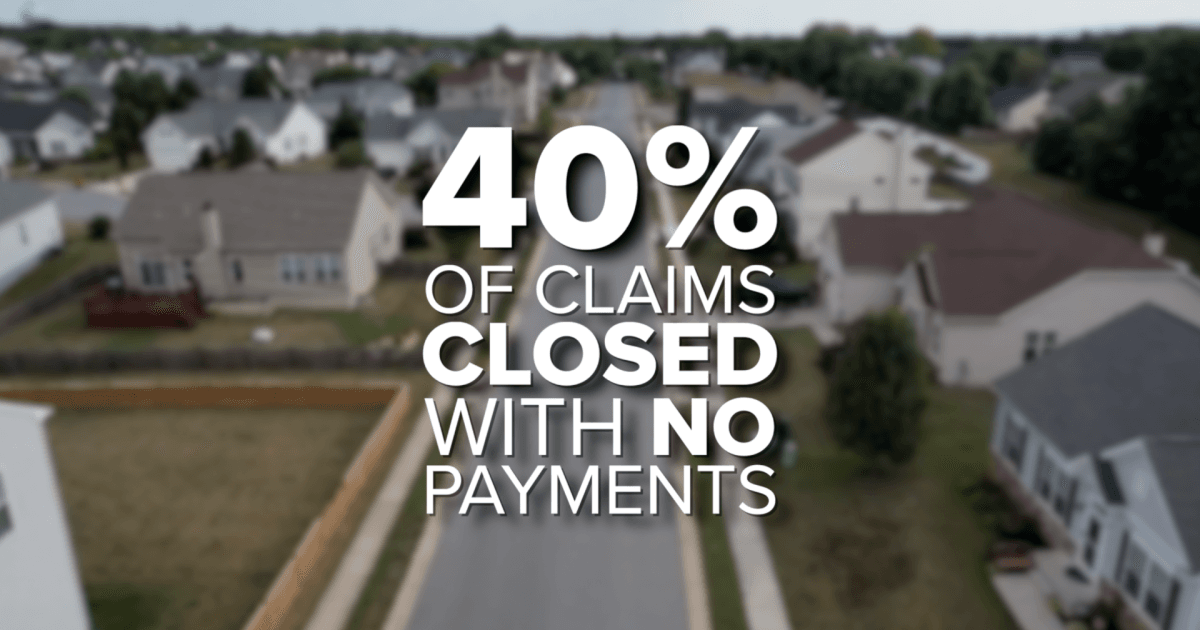
And this problem isn’t rare. More than 40% of Florida insurance claims are closed with no payment, making Florida one of the worst states nationwide for denied claims.
Lawmakers Push for More Transparency and Accountability
Financial analyst Dr. Martin Weiss — founder of Weiss Ratings — and Florida State Senator Carlos Guillermo Smith are advocating for changes through the Insurance Fairness Project and Unlocking America’s Future.
Sen. Smith argues that inflated fees and a lack of industry transparency are major drivers behind rising premiums:
“Floridians cannot afford to pay the highest property insurance premiums in the nation simply to pad the pockets of affiliates who have dodged accountability for too long.”
The challenge? Florida’s supermajority Republican legislature. Democratic leaders backing the reforms admit they are “throwing everything at the wall to see what sticks,” hoping a broad agenda sparks long-overdue debate in Tallahassee.
Proposals now gaining traction include:
Caps on rate increases above 10–15%
Removing taxes on impact-resistant doors, windows, and garage doors
Incentives for homeowners to storm‑proof their homes, potentially lowering future premiums
What This Means for Florida’s Professionals and Future Homeowners
The ripple effect reaches far beyond homeowners — it touches real estate professionals, mortgage brokers, insurance agents, and anyone shaping Florida’s housing landscape. High premiums influence buying trends, affordability, inventory, and even migration patterns.
For those working toward or renewing their professional licenses, understanding insurance trends is no longer optional. At Cameron Academy, we help Florida’s future agents, brokers, adjusters, and inspectors stay skilled, confident, and informed in a swiftly changing market.
What Comes Next?
As lawmakers prepare for heated debates in the upcoming legislative session, homeowners statewide are hoping for meaningful reform. Whether those changes pass — or stall — one thing is clear: Florida’s insurance crisis is reaching a pressure point.
The question now is whether leaders will act before another hurricane season tightens the squeeze on families and the housing market alike.
Getting licensed or staying ahead in your career can be a journey—but it doesn’t have to be overwhelming. Grab your favorite coffee or tea, take a moment to relax, and browse through our articles. Whether you’re just starting out or renewing your expertise, we’ve got tips, insights, and advice to keep you moving forward. Here’s to your success—one sip and one step at a time!
A new CNBC Fed Survey reveals that economists expect just two additional interest rate cuts in 2026 and none in 2027, even if President Donald Trump appoints a more dovish Federal Reserve chair. Strong economic growth, stable inflation, and reduced recession fears are keeping rate‑cut expectations limited, signaling a more stable long‑term environment for real estate, mortgage, and financial professionals.
A nationwide insurance crisis is accelerating as climate‑driven disasters push premiums higher, force insurers out of multiple states, and reshape real estate and mortgage markets. Once limited to Florida and California, the instability now threatens 15 states where losses, extreme weather, and insurer withdrawals are creating mounting risks for homeowners and industry professionals alike.
Commercial real estate is entering 2026 with a cautious but strategic shift. Companies are ditching oversized offices in favor of smaller, higher‑quality spaces packed with amenities that attract today’s workforce. Downtown markets like Portland remain steady, while suburban vacancies rise and landlords get creative with incentives. Industrial real estate is cooling after years of explosive growth, and developers are hesitating—though multifamily and hotel projects continue to push forward. Overall, the theme of the year is patience, as businesses wait for clearer signals on interest rates, construction costs, and long‑term workplace trends.
A new study from leading urban scholars reveals that zoning laws and construction slowdowns aren’t the true cause of America’s housing crisis. Even with massive building booms, rents would barely drop for decades. The real culprit? Soaring economic inequality. Until the widening wealth gap is addressed, policies like upzoning and deregulation won’t make housing affordable for working Americans—and may even push prices higher.
Cambio, a fast‑growing AI proptech company, has secured an $18 million Series A at a $100 million valuation, aiming to overhaul how commercial real estate firms process documents and make investment decisions. By converting messy PDFs, spreadsheets, and audit files into investor‑ready insights in minutes, the platform is rapidly expanding—now active in 35 countries and managing data for over 2 billion square feet of assets.
Florida’s insurance market is finally showing signs of real recovery heading into 2026. Industry leaders say recent legal reforms have sharply reduced lawsuits, allowing insurers to stabilize rates — and even introduce reductions for the first time in years. With new companies entering the state and solvency at its strongest level in more than a decade, real estate and mortgage professionals may benefit from improved buyer confidence and smoother closings as insurance becomes more predictable again.