Florida Homeowners Face Soaring Insurance Premiums — And a New Push for Reform
Florida homeowners are waking up to a reality that feels less like sunshine and more like sticker shock. New findings from WPTV News Channel 5 reveal what many Floridians already feel in their wallets: insurance premiums here are among the highest in the nation.
A recent Bankrate report found the average Florida homeowner pays $5,838 per year in premiums — roughly $3,000 more than the national average. This positions Florida in the top three most expensive states for homeowners insurance.
‘Everything’s Tripled’ — What Homeowners Told WPTV
For residents like West Palm Beach homeowner Jeff Heun, these aren’t just statistics — they’re life-altering numbers. He told WPTV that his insurance once cost $3,400, but increases have tripled that amount. Filing a claim, he said, would have doubled his premium.
“Do something,” Heun urged state leaders.
Another homeowner explained that mandatory wind coverage and rising costs were stretching his budget to its limits. Others have taken a more extreme route — skipping homeowners insurance entirely and saving the money instead, a risky gamble in a storm-heavy state.
When Claims Are Filed, Many Say They Don’t Get Paid
Some residents who do rely on their policies after disasters say payouts fall drastically short. In Loxahatchee, Bob and Pam Fix suffered more than $40,000 in tornado damage. Their insurer initially offered only $4,500 — later bumped to $7,000 — but it took WPTV reporter Kate Hussey’s investigative work for the Fix family to finally secure the $41,000 they needed.
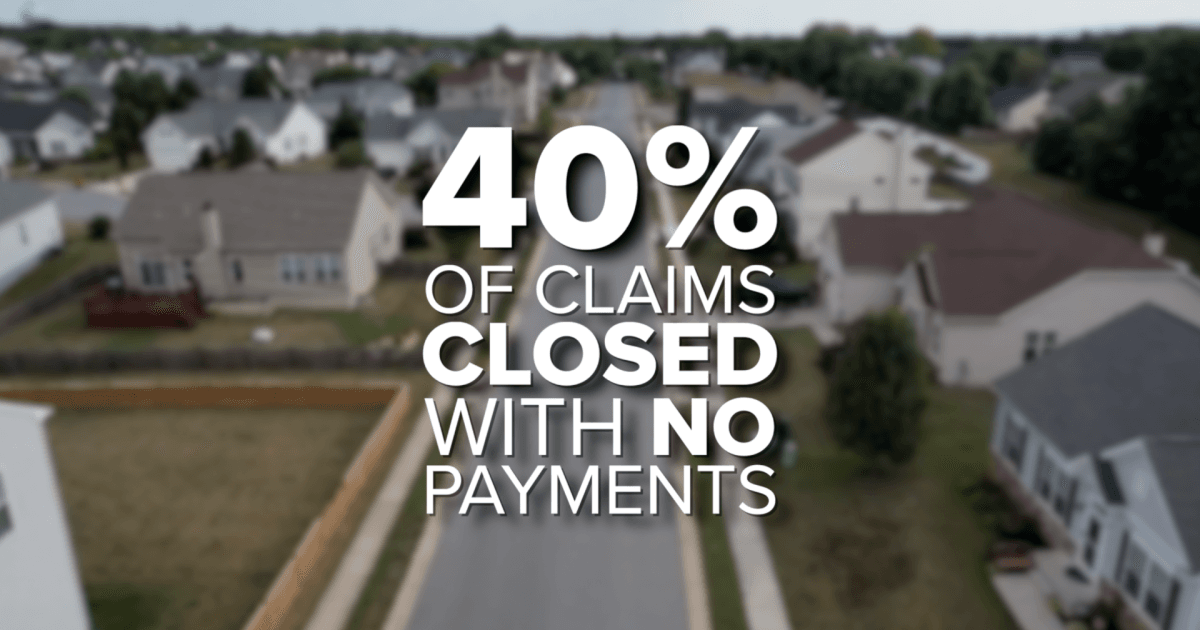
And this problem isn’t rare. More than 40% of Florida insurance claims are closed with no payment, making Florida one of the worst states nationwide for denied claims.
Lawmakers Push for More Transparency and Accountability
Financial analyst Dr. Martin Weiss — founder of Weiss Ratings — and Florida State Senator Carlos Guillermo Smith are advocating for changes through the Insurance Fairness Project and Unlocking America’s Future.
Sen. Smith argues that inflated fees and a lack of industry transparency are major drivers behind rising premiums:
“Floridians cannot afford to pay the highest property insurance premiums in the nation simply to pad the pockets of affiliates who have dodged accountability for too long.”
The challenge? Florida’s supermajority Republican legislature. Democratic leaders backing the reforms admit they are “throwing everything at the wall to see what sticks,” hoping a broad agenda sparks long-overdue debate in Tallahassee.
Proposals now gaining traction include:
Caps on rate increases above 10–15%
Removing taxes on impact-resistant doors, windows, and garage doors
Incentives for homeowners to storm‑proof their homes, potentially lowering future premiums
What This Means for Florida’s Professionals and Future Homeowners
The ripple effect reaches far beyond homeowners — it touches real estate professionals, mortgage brokers, insurance agents, and anyone shaping Florida’s housing landscape. High premiums influence buying trends, affordability, inventory, and even migration patterns.
For those working toward or renewing their professional licenses, understanding insurance trends is no longer optional. At Cameron Academy, we help Florida’s future agents, brokers, adjusters, and inspectors stay skilled, confident, and informed in a swiftly changing market.
What Comes Next?
As lawmakers prepare for heated debates in the upcoming legislative session, homeowners statewide are hoping for meaningful reform. Whether those changes pass — or stall — one thing is clear: Florida’s insurance crisis is reaching a pressure point.
The question now is whether leaders will act before another hurricane season tightens the squeeze on families and the housing market alike.
Getting licensed or staying ahead in your career can be a journey—but it doesn’t have to be overwhelming. Grab your favorite coffee or tea, take a moment to relax, and browse through our articles. Whether you’re just starting out or renewing your expertise, we’ve got tips, insights, and advice to keep you moving forward. Here’s to your success—one sip and one step at a time!
Data from 2023 forecasts a potential "Multifamily Real Estate Decline 2024" due to rising cap rates and slowed NOI. However, resources from Cameron Academy help real estate professionals navigate "Investment Risks in Multifamily Properties" through real-time, accurate insights.
Investing in real estate can be rewarding but finding the right financing can be challenging. One popular option is the BRRRR (Buy, Rehab, Rent, Refinance, Repeat) method, which involves purchasing distressed properties, renovating them, renting them out, and then refinancing to repeat the process. Traditional banks, private money lenders, portfolio lenders, and online lending platforms are all potential sources for BRRRR loans. Another financing option to consider is the DSCR (Debt Service Coverage Ratio) loan, which assesses the property's cash flow rather than just the borrower's income. DSCR loans are commonly used in commercial real estate investments and offer advantages like better cash flow assessment and flexibility for investors. However, they also come with drawbacks such as higher interest rates and stricter qualification requirements. Choosing the right financing option depends on investment strategy, financial considerations, qualification requirements, risk profile, and expert advice. By understanding the available options and considering individual circumstances, investors can select the financing option that aligns with their goals.
In this blog excerpt, we discuss the forecast for catastrophic declines in the multifamily market by the end of 2024. Factors such as market saturation, economic uncertainty, and changing lifestyle preferences among renters contribute to this forecast. Potential risks for investors include oversupply, economic volatility, and shifts in tenant demand. Thorough research, analysis, and seeking advice from professionals are crucial for navigating the multifamily market. Being knowledgeable and making informed decisions are key to successful investments in real estate. To get started in the industry, visit CameronAcademy.com for licensing in Real Estate, Mortgage, Insurance, or Finance.
In the world of mortgages, the debate between fixed rate and adjustable rate mortgages (FRM and ARM) rages on. FRMs provide consistency and protection against rising rates, while ARMs offer lower initial rates and flexibility. When choosing between the two, factors such as financial goals, economic conditions, time horizon, and risk tolerance must be considered. Ultimately, homeowners must weigh the pros and cons and seek professional advice before making a decision. After all, the right mortgage choice can have a lasting impact on one's financial well-being.
Navigating the complexities of the current housing market can be a daunting task for buyers and sellers alike. Affordability concerns, limited inventory, credit tightening, rising interest rates, and firming home prices are all factors contributing to the challenges in today's market. However, by conducting thorough research, partnering with knowledgeable real estate agents, planning for your budget and mortgage, seeking out alternative financing options, and being patient and flexible, you can overcome these obstacles. With perseverance, informed decision-making, and adaptability, success in real estate transactions can be achieved in any market environment.