Florida Homeowners Face Soaring Insurance Premiums — And a New Push for Reform
Florida homeowners are waking up to a reality that feels less like sunshine and more like sticker shock. New findings from WPTV News Channel 5 reveal what many Floridians already feel in their wallets: insurance premiums here are among the highest in the nation.
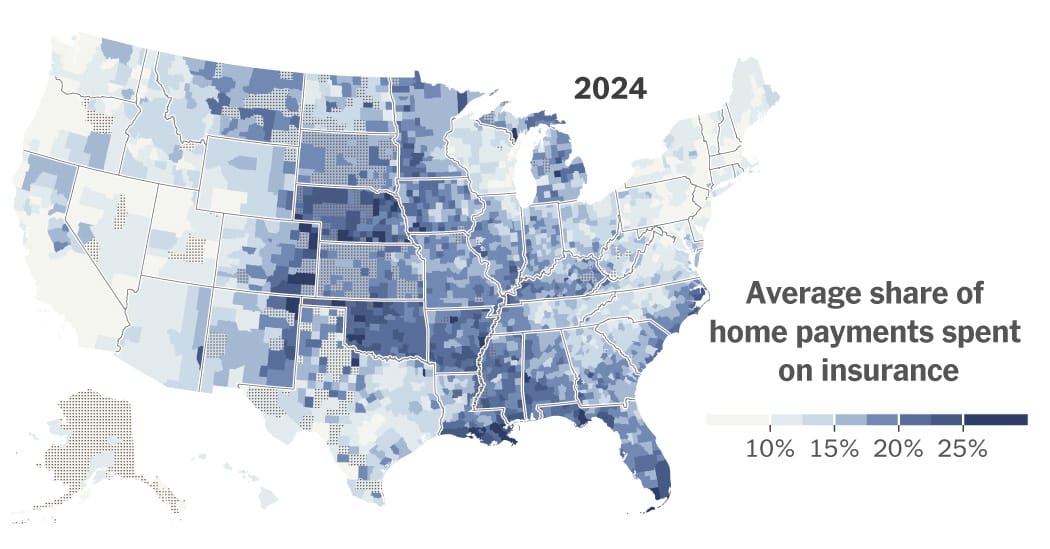
A recent Bankrate report found the average Florida homeowner pays $5,838 per year in premiums — roughly $3,000 more than the national average. This positions Florida in the top three most expensive states for homeowners insurance.
‘Everything’s Tripled’ — What Homeowners Told WPTV
For residents like West Palm Beach homeowner Jeff Heun, these aren’t just statistics — they’re life-altering numbers. He told WPTV that his insurance once cost $3,400, but increases have tripled that amount. Filing a claim, he said, would have doubled his premium.
“Do something,” Heun urged state leaders.
Another homeowner explained that mandatory wind coverage and rising costs were stretching his budget to its limits. Others have taken a more extreme route — skipping homeowners insurance entirely and saving the money instead, a risky gamble in a storm-heavy state.
When Claims Are Filed, Many Say They Don’t Get Paid
Some residents who do rely on their policies after disasters say payouts fall drastically short. In Loxahatchee, Bob and Pam Fix suffered more than $40,000 in tornado damage. Their insurer initially offered only $4,500 — later bumped to $7,000 — but it took WPTV reporter Kate Hussey’s investigative work for the Fix family to finally secure the $41,000 they needed.
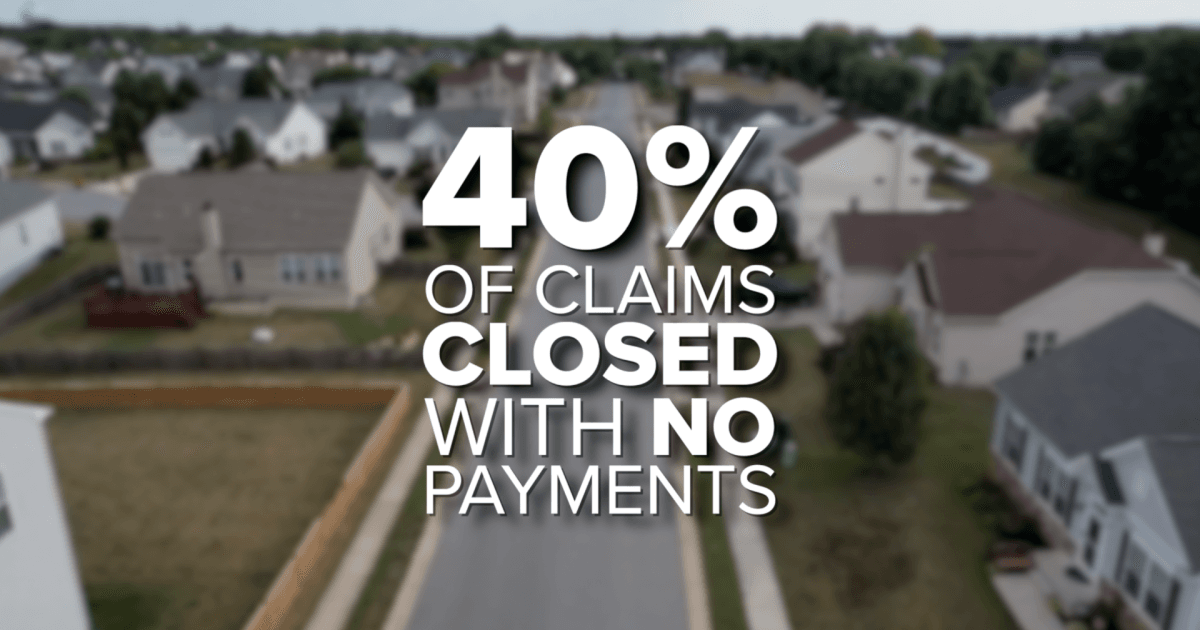
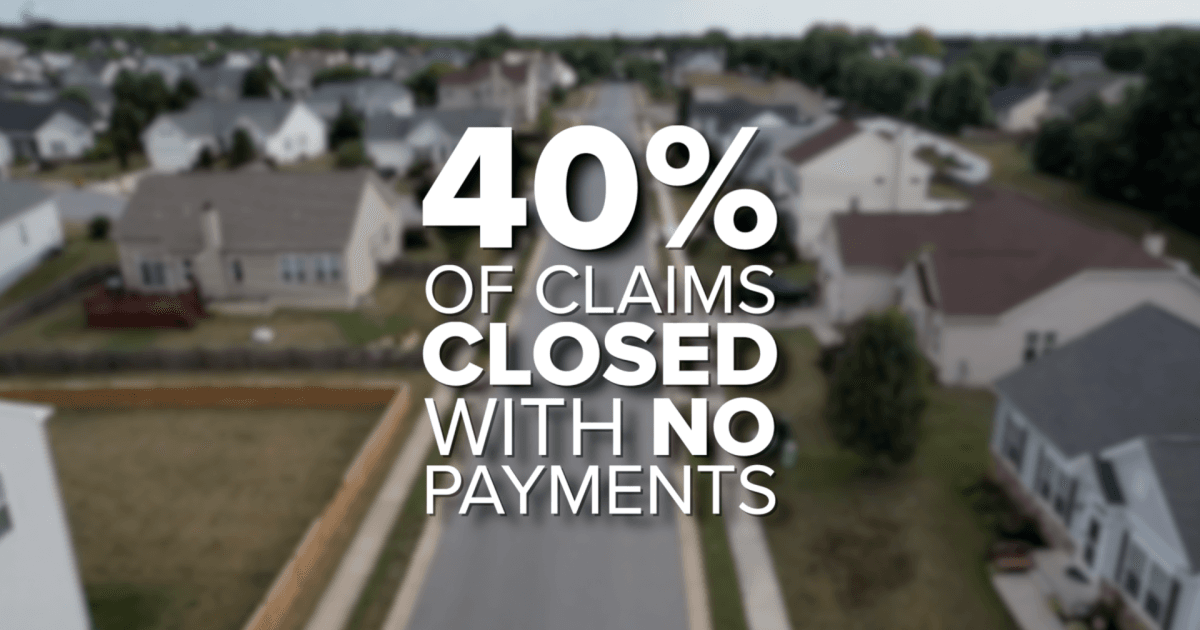
And this problem isn’t rare. More than 40% of Florida insurance claims are closed with no payment, making Florida one of the worst states nationwide for denied claims.
Lawmakers Push for More Transparency and Accountability
Financial analyst Dr. Martin Weiss — founder of Weiss Ratings — and Florida State Senator Carlos Guillermo Smith are advocating for changes through the Insurance Fairness Project and Unlocking America’s Future.
Sen. Smith argues that inflated fees and a lack of industry transparency are major drivers behind rising premiums:
“Floridians cannot afford to pay the highest property insurance premiums in the nation simply to pad the pockets of affiliates who have dodged accountability for too long.”
The challenge? Florida’s supermajority Republican legislature. Democratic leaders backing the reforms admit they are “throwing everything at the wall to see what sticks,” hoping a broad agenda sparks long-overdue debate in Tallahassee.
Proposals now gaining traction include:
Caps on rate increases above 10–15%
Removing taxes on impact-resistant doors, windows, and garage doors
Incentives for homeowners to storm‑proof their homes, potentially lowering future premiums
What This Means for Florida’s Professionals and Future Homeowners
The ripple effect reaches far beyond homeowners — it touches real estate professionals, mortgage brokers, insurance agents, and anyone shaping Florida’s housing landscape. High premiums influence buying trends, affordability, inventory, and even migration patterns.
For those working toward or renewing their professional licenses, understanding insurance trends is no longer optional. At Cameron Academy, we help Florida’s future agents, brokers, adjusters, and inspectors stay skilled, confident, and informed in a swiftly changing market.
What Comes Next?
As lawmakers prepare for heated debates in the upcoming legislative session, homeowners statewide are hoping for meaningful reform. Whether those changes pass — or stall — one thing is clear: Florida’s insurance crisis is reaching a pressure point.
The question now is whether leaders will act before another hurricane season tightens the squeeze on families and the housing market alike.
Getting licensed or staying ahead in your career can be a journey—but it doesn’t have to be overwhelming. Grab your favorite coffee or tea, take a moment to relax, and browse through our articles. Whether you’re just starting out or renewing your expertise, we’ve got tips, insights, and advice to keep you moving forward. Here’s to your success—one sip and one step at a time!
A surge in home insurance premiums is reshaping housing markets across the country, hitting disaster‑prone regions the hardest. From Louisiana to Colorado and California, deals are collapsing, buyers are backing out, and home values are dropping as insurance becomes a central affordability hurdle. New data shows climate‑driven risk repricing and soaring reinsurance costs are stripping tens of thousands of dollars from property values, forcing some homeowners to sell at a loss—or go uninsured altogether.
After years of sluggish activity, the National Association of REALTORS predicts 2026 could mark the long‑awaited rebound for the housing market. With a projected 14% jump in home sales, steadier rates near 6%, and rising buyer activity, NAR economists say momentum is already building. Early signs—like a 31% surge in mortgage applications, continued job growth, and stabilizing prices—suggest a stronger, more confident market ahead, creating fresh opportunities for both seasoned professionals and aspiring agents preparing to enter the field.
A surge of global capital is reshaping real estate heading into 2026, with investors shifting toward hands‑on strategies, cross‑border diversification, and high‑growth asset classes like data centers. Colliers’ 2026 Global Investor Outlook highlights rising confidence, improving liquidity, and a major pivot toward direct investing and value‑add opportunities. From office market rebounds to Asia Pacific’s rapid fundraising growth, the report outlines trends every real estate professional should understand as the industry enters a more dynamic, opportunity‑rich cycle.
Culver City just became the first place in California to legalize six‑story apartment buildings with only one staircase — a simple change that could reshape mid‑rise housing statewide. By freeing up as much as 7% more usable floor space, architects say single‑stair designs allow bigger units, more windows, and the kind of elegant layouts common in New York and Europe. If the city’s six‑year experiment succeeds, it may spark a broader rethinking of U.S. building codes and open the door to more flexible, affordable multifamily development across California.
Stratford homeowners are receiving their 2025 Notices of Assessment Change, marking the town’s first property revaluation since 2019. Officials emphasize that rising assessments do not equal higher tax bills, as a new mill rate won’t be set until spring 2026. Residents can challenge or review their updated valuations through informal hearings hosted by Vision Government Solutions, with appointments available for one week after receiving a notice.
New reporting reveals Florida homeowners now face an average insurance premium of $5,838 per year — nearly triple the national average. With skyrocketing rates, denied claims, and mounting non-renewals, residents are being pushed to tough financial decisions while lawmakers scramble to implement reforms. From retirees skipping coverage to families battling insurers for fair payouts, Florida’s insurance crisis is reshaping both the housing market and the daily lives of homeowners statewide.