Florida House Approves Major Housing Bill as Debate Over Sprawl Heats Up

Reporters interviewing state officials

A sweeping land use overhaul is making waves across Florida as the state House pushes forward with HB 399, a bill supporters claim will help ease housing costs while critics warn it could fuel sprawling development and weaken local authority. The measure passed with a 71-38 vote, including eight Republicans who joined Democrats in dissent.

The bill places caps on certain development fees, lowers the voting threshold for land-use changes to a simple majority, loosens local authority over compatibility-related project denials, and expands allowances for manufactured and off-site built homes. You can review the full bill summary through the official House portal at the link below.

View HB 399 on the Florida House website

Supporters Say It Boosts Supply, Opponents Warn of Overreach

Sponsor Rep. David Borrero of Doral argues the legislation addresses what he calls a supply shortage inflating home prices statewide. According to Borrero, local government restrictions have contributed to this crisis, and opening up development flexibility could help lower costs across the board.

Opposition lawmakers, however, argue the bill sidelines voter-approved growth boundaries and shifts too much power away from local governments. Rep. Ashley Gantt challenged the framing during floor debate, questioning why city and county governments are being portrayed as obstacles rather than community advocates.

Rep. Anna Eskamani raised concerns over weakening voter authority, warning that bypassing charter rules risks favoring large development interests at the expense of balanced planning.

A Pivotal Moment for Florida Real Estate

With Florida facing a statewide affordability crunch, any legislation involving zoning, land use, and development has major implications for real estate professionals. If HB 399 becomes law, agents, brokers, and developers will need to understand how the rule changes affect permitting, planning, and market opportunity.

This is exactly the kind of evolving legislative landscape that future licensees need to be prepared for. At Cameron Academy, our Florida real estate licensing programs equip students to navigate topics like land use, growth management, and the economics of supply and demand. Staying informed is no longer optional; it is part of becoming a competitive real estate professional in one of the fastest-growing states in the country.

Tap to Learn: Why Land Use Laws Matter for Your Real Estate Career

Understanding zoning, development boundaries, and state housing policy is essential for making smarter deals and guiding clients with confidence. Licensing students at Cameron Academy build the foundation they need to succeed in a changing market.

What Happens Next

The bill now heads to the Senate, where lawmakers are reviewing a similar proposal. With only days left in the legislative session, any differences between the two versions will have to be reconciled quickly before the measure can be sent to the governor.

For readers who want to explore the original report, the full story is available through TampaBay28 at the link below.

Read the original coverage on TampaBay28

As Florida continues to grow, the policies shaping its communities will define the opportunities available to new and seasoned professionals alike. Whether you are considering your first real estate course or expanding your credentials, staying ahead of legislative change is one of the smartest investments you can make.


More Articles

Getting licensed or staying ahead in your career can be a journey—but it doesn’t have to be overwhelming. Grab your favorite coffee or tea, take a moment to relax, and browse through our articles. Whether you’re just starting out or renewing your expertise, we’ve got tips, insights, and advice to keep you moving forward. Here’s to your success—one sip and one step at a time!

Why Today’s High Mortgage Rates Matter More Than Ever for the Housing Market

A growing share of American homeowners now carry mortgage rates above 5%—a dramatic shift that’s reshaping refinancing, inventory, and buyer behavior nationwide. With more than 30% of borrowers locked into rates over 5% and 20% above 6%, the market is split between owners holding on to low pandemic‑era loans and new buyers taking on higher‑rate mortgages. Federal efforts to push rates down could unlock millions of refinancing opportunities, while buyers see only modest monthly savings. For real estate professionals, understanding these rate dynamics is crucial as they increasingly drive inventory levels, affordability, and market activity.

CRE Deal Volume Dips in December, but Office Sector Stages an Unexpected Comeback

New Moody’s data shows commercial real estate deal volume slipped 20% in December, marking a second monthly decline. Yet the full year tells a different story: 2025 ended with a 17% gain, signaling a quiet but resilient recovery. The biggest surprise came from the office sector, which posted a 21% jump in activity as return‑to‑office trends and AI‑driven job growth boosted demand. Multifamily, retail, and alternative assets like data centers also saw strong momentum, giving real estate professionals a market full of fresh opportunities heading into 2026.

Florida Kicks Off 2026 With Major Auto Insurance Rate Cuts and Market Stability

Florida drivers and industry professionals are heading into 2026 with good news: auto insurance rates are dropping across the state as the market shows strong signs of stabilization. USAA leads the latest wave with a 7% average rate decrease expected in May 2026, saving members more than $125 million annually. They join several major insurers — including State Farm, Progressive, AAA, Allstate, and Florida Farm Bureau — all approving significant reductions. Officials credit recent legislative reforms, especially tort reform, for the improved loss ratios and renewed insurer confidence. With both auto and home insurance markets strengthening, Florida’s real estate, mortgage, and insurance professionals can expect more consumer confidence, smoother transactions, and expanding career opportunities.

The 2024 Housing Shortage: Why America Is Still 1.2 Million Homes Behind

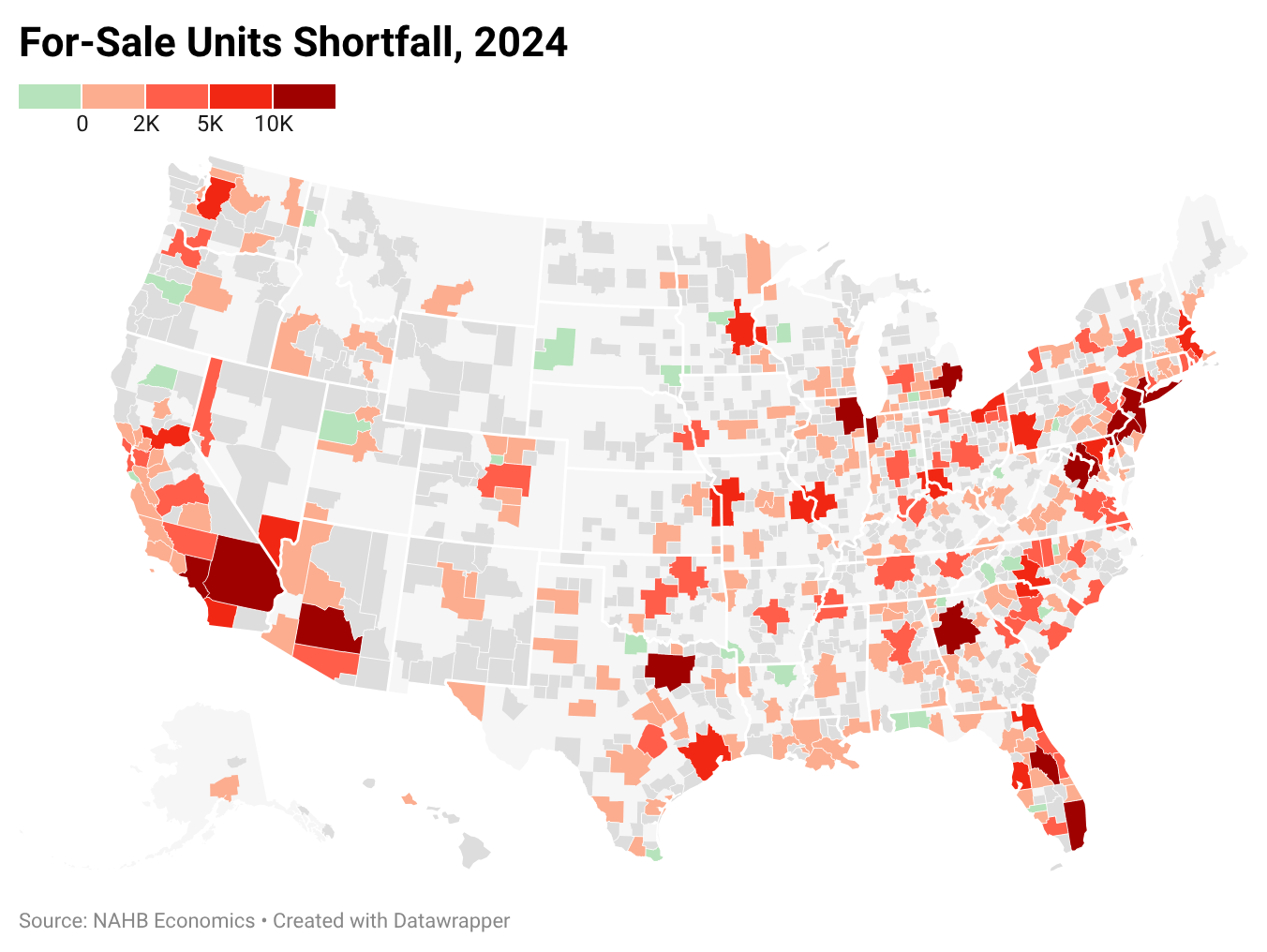
New data from Eye On Housing and the NAHB shows the U.S. remains short more than 1.2 million housing units, keeping pressure on both rents and home prices. Record‑low vacancy rates, slow single‑family construction, and restrictive zoning continue to fuel intense competition in 2024. Major metros like Chicago, New York, and Atlanta face some of the deepest deficits, and the true nationwide shortfall may be even higher when accounting for overcrowding and aging homes. For real estate professionals, the ongoing shortage means sustained demand, tighter inventory, and major opportunities for those who understand the evolving market.

AI Isn’t the Shiny Object Anymore — It’s the New System Driving Real Estate Success

Top real estate coach Jason Pantana says the divide between agents today isn’t about who has “tried” AI — it’s about who is immersed in it. In a new HousingWire interview, he explains why AI isn’t a gimmick but a full business system that amplifies output, improves authenticity, and reshapes how clients search for agents. From prompt mastery to AI‑driven visibility on Google, Pantana reveals how agents who commit even 15 minutes a day to learning AI are already outperforming those who hesitate.

DFW Commercial Real Estate 2025: Industrial Surges, Retail Shines, Office Struggles

Dallas–Fort Worth’s commercial real estate market closed 2025 with a split personality. Industrial dominated with massive new deliveries and soaring leasing demand, retail held steady with some of the market’s strongest fundamentals in years, and office continued to falter under remote‑work pressures. High vacancies, weak absorption, and rising demand for top‑tier space show the sector’s ongoing reset. Meanwhile, industrial and retail strength position the Metroplex for another powerhouse year heading into 2026.