Florida House Approves Major Housing Bill as Debate Over Sprawl Heats Up

Reporters interviewing state officials

A sweeping land use overhaul is making waves across Florida as the state House pushes forward with HB 399, a bill supporters claim will help ease housing costs while critics warn it could fuel sprawling development and weaken local authority. The measure passed with a 71-38 vote, including eight Republicans who joined Democrats in dissent.

The bill places caps on certain development fees, lowers the voting threshold for land-use changes to a simple majority, loosens local authority over compatibility-related project denials, and expands allowances for manufactured and off-site built homes. You can review the full bill summary through the official House portal at the link below.

View HB 399 on the Florida House website

Supporters Say It Boosts Supply, Opponents Warn of Overreach

Sponsor Rep. David Borrero of Doral argues the legislation addresses what he calls a supply shortage inflating home prices statewide. According to Borrero, local government restrictions have contributed to this crisis, and opening up development flexibility could help lower costs across the board.

Opposition lawmakers, however, argue the bill sidelines voter-approved growth boundaries and shifts too much power away from local governments. Rep. Ashley Gantt challenged the framing during floor debate, questioning why city and county governments are being portrayed as obstacles rather than community advocates.

Rep. Anna Eskamani raised concerns over weakening voter authority, warning that bypassing charter rules risks favoring large development interests at the expense of balanced planning.

A Pivotal Moment for Florida Real Estate

With Florida facing a statewide affordability crunch, any legislation involving zoning, land use, and development has major implications for real estate professionals. If HB 399 becomes law, agents, brokers, and developers will need to understand how the rule changes affect permitting, planning, and market opportunity.

This is exactly the kind of evolving legislative landscape that future licensees need to be prepared for. At Cameron Academy, our Florida real estate licensing programs equip students to navigate topics like land use, growth management, and the economics of supply and demand. Staying informed is no longer optional; it is part of becoming a competitive real estate professional in one of the fastest-growing states in the country.

Tap to Learn: Why Land Use Laws Matter for Your Real Estate Career

Understanding zoning, development boundaries, and state housing policy is essential for making smarter deals and guiding clients with confidence. Licensing students at Cameron Academy build the foundation they need to succeed in a changing market.

What Happens Next

The bill now heads to the Senate, where lawmakers are reviewing a similar proposal. With only days left in the legislative session, any differences between the two versions will have to be reconciled quickly before the measure can be sent to the governor.

For readers who want to explore the original report, the full story is available through TampaBay28 at the link below.

Read the original coverage on TampaBay28

As Florida continues to grow, the policies shaping its communities will define the opportunities available to new and seasoned professionals alike. Whether you are considering your first real estate course or expanding your credentials, staying ahead of legislative change is one of the smartest investments you can make.


More Articles

Getting licensed or staying ahead in your career can be a journey—but it doesn’t have to be overwhelming. Grab your favorite coffee or tea, take a moment to relax, and browse through our articles. Whether you’re just starting out or renewing your expertise, we’ve got tips, insights, and advice to keep you moving forward. Here’s to your success—one sip and one step at a time!

How AI Is Transforming Financial Advisors’ Daily Routines in 2026

In 2026, financial advisors are no longer just experimenting with AI — they’re relying on it. Once confined to back-office duties, AI now supports meeting prep, portfolio analysis, and even early-stage financial planning. Advisors say the tech is strengthening client relationships by freeing them from administrative overload, though entry-level roles like paraplanners may feel the squeeze as automation accelerates.

AI Is Outpacing the Mortgage Industry’s Cyber Defenses as Attacks Surge

Cybercriminals are weaponizing AI to launch highly convincing email scams and system breaches across the mortgage industry, overwhelming lenders and servicers whose cybersecurity measures can’t keep up. With major companies already hit and regulation lagging behind, experts warn the sector—now considered critical infrastructure—must rapidly upgrade protections, collaborate on threat intelligence, and improve AI governance before the risks escalate further.

Hidden Housing Costs May Become 2026’s Most Dangerous Budget Buster

Escrow payments are quietly surging across the country as property taxes and insurance premiums spike—pushing many homeowners toward delinquencies and even foreclosure. New data from Cotality shows the sharpest increases hitting the South and Midwest, with Florida among the hardest‑hit states. Even with fixed mortgage rates, rising escrow requirements are driving monthly payments higher and threatening affordability heading into 2026.

Milwaukee’s Commercial Real Estate Market Is Turning the Corner

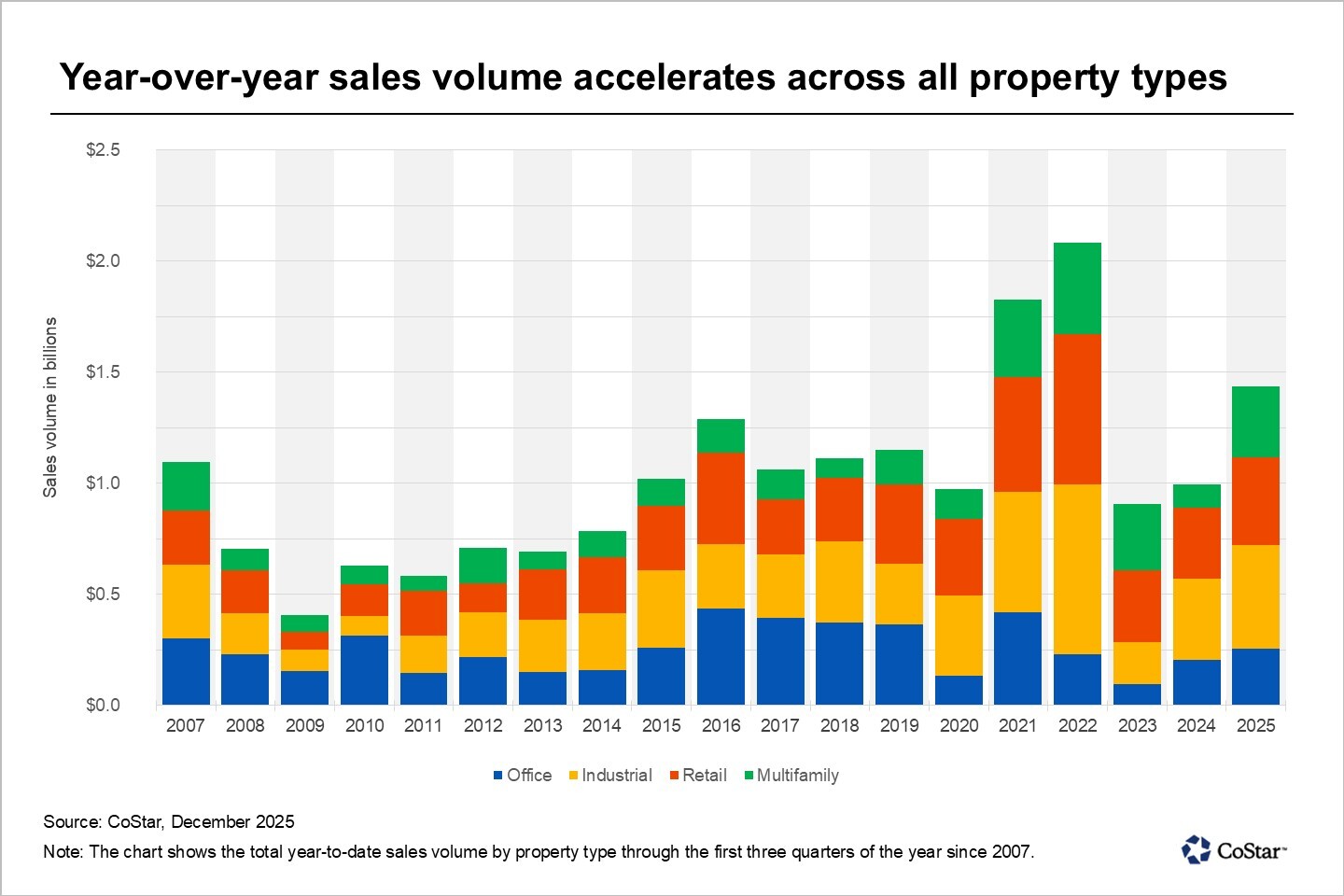
Milwaukee entered 2025 with renewed momentum, posting its strongest commercial real estate sales volume in three years. After a period of uncertainty and high capital costs, investors are returning with a sharper focus on quality assets, realistic pricing, and reliable cash flow. Activity is increasing across industrial, office, multifamily, and retail sectors, signaling a broad-based recovery fueled by stabilizing interest rates and improved market confidence.

Title Insurance Leaders Lean Into Tech, Efficiency, and Resilience for 2026

As 2026 approaches, the title insurance industry is navigating a complex mix of market recovery, rising fraud threats, and sweeping regulatory changes. Industry leaders say the path forward centers on smarter technology, leaner operations, and stronger support for title agents. With AI-driven workflows, enhanced fraud prevention, and new compliance demands—including FinCEN’s expanded Geographic Targeting Orders—companies like Stewart and First American are reshaping how title work gets done. For real estate and mortgage professionals, the year ahead promises more automation, heightened standards, and major opportunities for those who stay ahead of the curve.

Technology and the Future of Real Estate: Innovation Reshaping 2025

The real estate industry is undergoing a major transformation in 2025 as advancements in AI, proptech, blockchain, and data intelligence redefine how properties are marketed, valued, financed, and experienced. From instant digital valuations and immersive virtual tours to tokenized investments and predictive analytics, technology is reshaping every stage of the real estate lifecycle. Professionals who embrace these innovations—while maintaining the human expertise clients still rely on—will lead the next era of the industry.