Florida House Approves Major Property Insurance Transparency Bill: What Homeowners and Professionals Need to Know
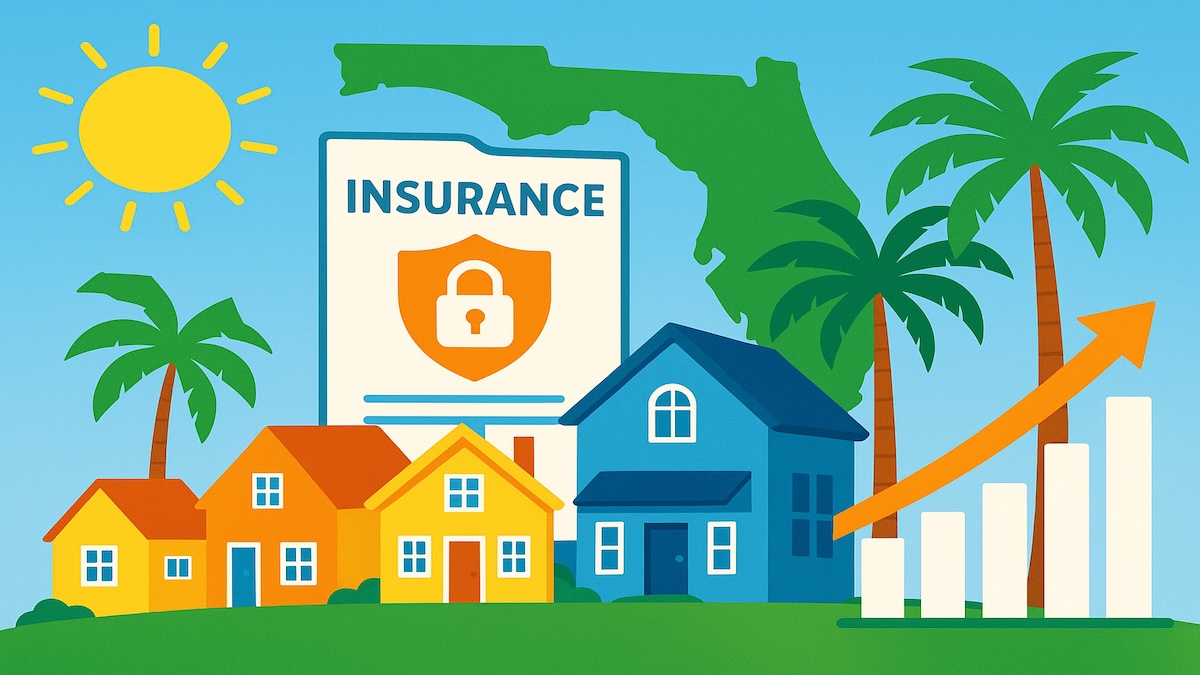
Florida’s property insurance landscape is shifting once again, but this time lawmakers are turning their focus toward empowering homeowners with transparency and clarity. The Florida House has officially passed HB 767, introduced by Naples Republican Rep. Yvette Benarroch—a bill designed to make property insurance pricing and coverage details easier for consumers to access and understand.
As Florida continues navigating a turbulent insurance market—marked by rising premiums, insurer withdrawals, and intense natural‑disaster exposure—this proposal promises a breath of fresh air for both homeowners and the professionals who support them. Real estate agents, insurance producers, mortgage officers, and appraisers will all benefit from clearer, more consistent access to insurance data.
A New Public Insurance Database for All Floridians
One of the bill’s most transformative features is the creation of a statewide, consumer‑friendly online rate database. The
Office of Insurance Regulation (OIR) will be required to publish detailed insurance rate filings, market trend reports, policy explanations, and tools to help consumers identify potential insurers.
This new digital resource center will also include step‑by‑step claim‑navigation guides, plain‑language coverage explanations, and clear definitions for common insurance terms. Insurers will be required to notify policyholders about this online tool for every new policy, renewal, or major policy update.
Protecting Homeowners Against Inflated Premiums
Another notable provision prevents insurers from including land value when calculating coverage amounts or adjusting claims. Since land cannot be damaged by hurricanes or other natural perils, this safeguard ensures homeowners never pay inflated premiums for coverage they do not need.
The legislation also expands disclosure requirements surrounding hurricane‑mitigation discounts. Even more importantly, statewide average rate changes can no longer be claimed as “trade secrets”—a move that sharply boosts public accountability.
The Senate Companion and What Comes Next
A companion bill, SB 832, filed by Sen. Bryan Avila, is progressing through the Florida Senate after clearing its first committee. If both chambers approve the aligned versions and the Governor signs them, the new law would take effect on July 1.
Why This Matters for Real Estate, Insurance, and Mortgage Professionals
Accurate insurance information is directly tied to home affordability, closing timelines, underwriting, appraisal outcomes, and long‑term ownership stability.
A transparent insurance market strengthens every profession connected to property ownership.
Professionals who understand emerging regulatory shifts gain a clear competitive edge—empowering them to guide clients with more confidence, accuracy, and authority.
At Cameron Academy, we help professionals stay ahead of fast‑moving regulatory changes with modern licensing and continuing‑education programs in real estate, insurance, mortgage, and more.
When the laws change, your knowledge—and your clients—should never fall behind.
Getting licensed or staying ahead in your career can be a journey—but it doesn’t have to be overwhelming. Grab your favorite coffee or tea, take a moment to relax, and browse through our articles. Whether you’re just starting out or renewing your expertise, we’ve got tips, insights, and advice to keep you moving forward. Here’s to your success—one sip and one step at a time!
President Trump recently suggested mortgage rates will drop “a lot lower” by early 2026, sparking industry-wide curiosity — but current economic data tells a more measured story. With today’s 30‑year fixed hovering near 6.25%, experts say meaningful declines remain possible, though not guaranteed, and would depend on softer inflation, weaker economic signals, or a shift in bond market behavior. While political comments created headlines, analysts emphasize that only market conditions — not rhetoric — can drive rates down. Independent forecasts already point toward mid‑5% rates by 2026, offering a potentially healthier landscape for buyers, agents, and mortgage professionals preparing for the next cycle.
Artificial intelligence has moved from a futuristic concept to a central force driving today’s mortgage industry. From smarter underwriting to enhanced borrower experiences and tighter compliance, AI is transforming every corner of mortgage lending. As expectations rise and competition accelerates, AI literacy is no longer optional — it’s a core skill every mortgage, real estate and finance professional must master to stay relevant and lead confidently.
Global commercial real estate is shifting away from short-term recovery cycles and entering a long-term transformation driven by technology, sustainability, demographic change, and evolving work‑life patterns. Capital is becoming more selective, favoring resilient assets and alternative lenders, while high‑demand sectors such as industrial, logistics, data infrastructure, and specialized residential continue to outperform. Geography, sustainability standards, and flexibility are emerging as defining forces for the next cycle, signaling major opportunities—and challenges—for real estate professionals preparing for the future.
Artificial intelligence has moved from hype to essential infrastructure in the real estate world. From smarter valuations and predictive analytics to automated lead generation and personalized property-matching tools, AI is transforming how agents, brokers, lenders, and managers operate. As top platforms like Zillow, Redfin, Opendoor, and dozens more integrate deep‑learning technology, professionals across real estate, mortgage, insurance, and finance are being pushed to adapt. The future belongs to those who embrace these tools — and use them to elevate speed, accuracy, and client experience.
Florida’s once‑troubled property insurance market has staged an impressive recovery after its near‑collapse in 2022. A new ALIRT Insurance Research report shows that legislative reforms, tighter underwriting and the arrival of new insurers have restored stability, reduced Citizens’ policy load and revived industry confidence. While risks remain, the rebound is reshaping housing affordability and creating fresh opportunities for real estate, mortgage and insurance professionals.
A new bill gaining momentum in Tallahassee would stop insurers from denying claims based solely on artificial intelligence. Championed by Rep. Hillary Cassell, the proposal aims to restore trust in Florida’s troubled insurance market by ensuring human oversight in decisions that affect homeowners, newcomers, and industry professionals. As debates intensify, experts warn AI is reshaping insurance faster than ever—making it critical for real estate, mortgage, and insurance professionals to understand the regulatory shifts ahead.