Florida House Approves Major Property Insurance Transparency Bill: What Homeowners and Professionals Need to Know
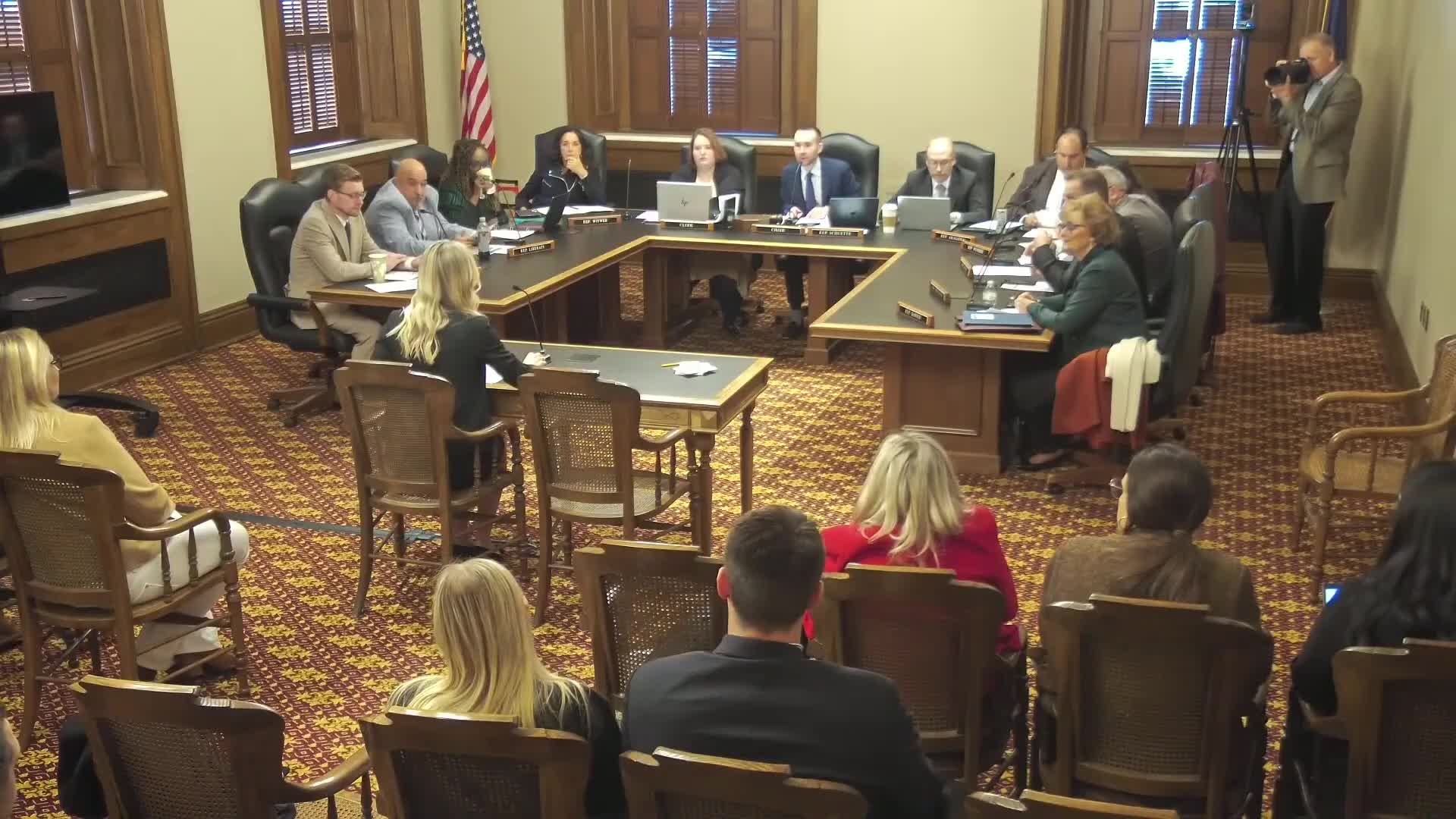
Florida’s property insurance landscape is shifting once again, but this time lawmakers are turning their focus toward empowering homeowners with transparency and clarity. The Florida House has officially passed HB 767, introduced by Naples Republican Rep. Yvette Benarroch—a bill designed to make property insurance pricing and coverage details easier for consumers to access and understand.
As Florida continues navigating a turbulent insurance market—marked by rising premiums, insurer withdrawals, and intense natural‑disaster exposure—this proposal promises a breath of fresh air for both homeowners and the professionals who support them. Real estate agents, insurance producers, mortgage officers, and appraisers will all benefit from clearer, more consistent access to insurance data.
A New Public Insurance Database for All Floridians
One of the bill’s most transformative features is the creation of a statewide, consumer‑friendly online rate database. The
Office of Insurance Regulation (OIR) will be required to publish detailed insurance rate filings, market trend reports, policy explanations, and tools to help consumers identify potential insurers.
This new digital resource center will also include step‑by‑step claim‑navigation guides, plain‑language coverage explanations, and clear definitions for common insurance terms. Insurers will be required to notify policyholders about this online tool for every new policy, renewal, or major policy update.
Protecting Homeowners Against Inflated Premiums
Another notable provision prevents insurers from including land value when calculating coverage amounts or adjusting claims. Since land cannot be damaged by hurricanes or other natural perils, this safeguard ensures homeowners never pay inflated premiums for coverage they do not need.
The legislation also expands disclosure requirements surrounding hurricane‑mitigation discounts. Even more importantly, statewide average rate changes can no longer be claimed as “trade secrets”—a move that sharply boosts public accountability.
The Senate Companion and What Comes Next
A companion bill, SB 832, filed by Sen. Bryan Avila, is progressing through the Florida Senate after clearing its first committee. If both chambers approve the aligned versions and the Governor signs them, the new law would take effect on July 1.
Why This Matters for Real Estate, Insurance, and Mortgage Professionals
Accurate insurance information is directly tied to home affordability, closing timelines, underwriting, appraisal outcomes, and long‑term ownership stability.
A transparent insurance market strengthens every profession connected to property ownership.
Professionals who understand emerging regulatory shifts gain a clear competitive edge—empowering them to guide clients with more confidence, accuracy, and authority.
At Cameron Academy, we help professionals stay ahead of fast‑moving regulatory changes with modern licensing and continuing‑education programs in real estate, insurance, mortgage, and more.
When the laws change, your knowledge—and your clients—should never fall behind.
Getting licensed or staying ahead in your career can be a journey—but it doesn’t have to be overwhelming. Grab your favorite coffee or tea, take a moment to relax, and browse through our articles. Whether you’re just starting out or renewing your expertise, we’ve got tips, insights, and advice to keep you moving forward. Here’s to your success—one sip and one step at a time!
After nearly 20 years under uniquely harsh lending rules, Florida may finally see its condo market freed from a 25% down payment requirement imposed only on the state. Industry leaders say Fannie Mae could announce changes as early as December—potentially restoring the standard 10% down payment used everywhere else in the country. Experts believe the shift would boost maintenance funding, improve affordability, and stabilize Florida’s condo market after years of strain.
Phoenix’s commercial real estate market is shaking off years of uncertainty as broker optimism hits its highest level since interest rates began climbing. The latest ASU Commercial Broker Sentiment Index soared to 62.7, signaling strong confidence across multifamily, retail, office, and capital markets. With population growth accelerating, interest rates easing, and AI boosting industry efficiency, Phoenix is positioning itself for a powerful run into 2026—offering meaningful opportunities for both new and seasoned real estate professionals.
Michigan’s House Rules Committee heard testimony on a proposal that would let licensed professionals complete all required continuing education online. Supporters say the change would modernize outdated rules, reduce costs, and improve access for rural and busy workers. The state licensing department backs the measure, and lawmakers noted it could reshape CE options across industries from real estate to insurance and healthcare.
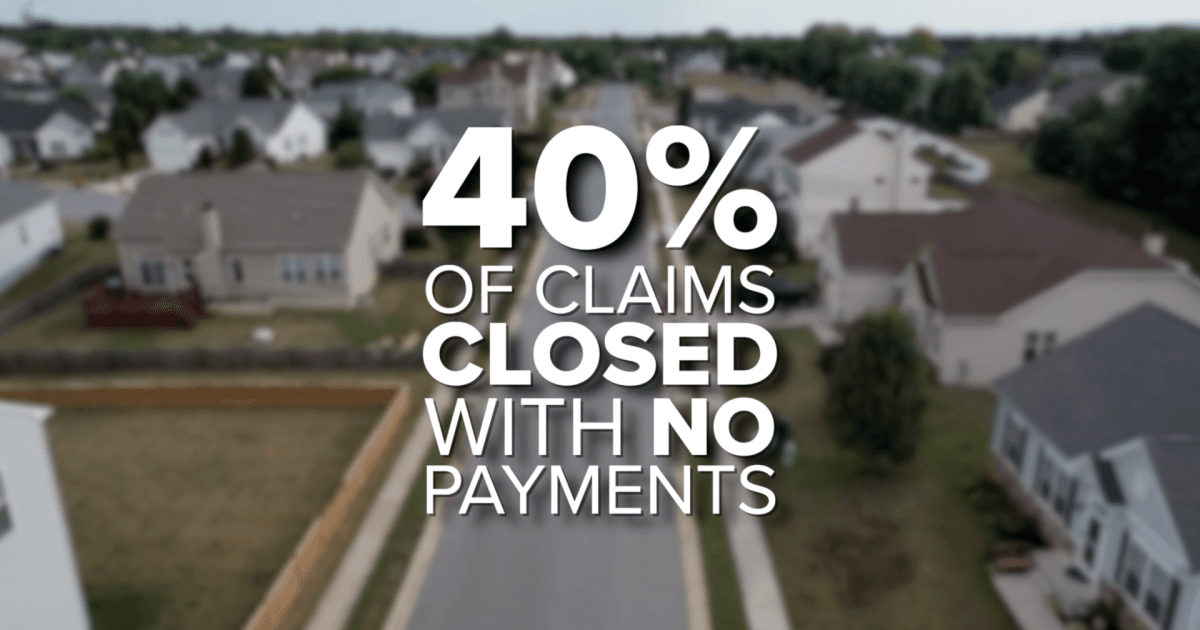
Florida homeowners are now paying an average of $5,838 per year for insurance — nearly $3,000 above the national average — making it one of the most expensive states in the country. As premiums continue to triple for some residents, many are being forced into tough decisions, from delaying home improvements to dropping coverage altogether. With more than 40% of claims closed with no payment and lawmakers pushing for aggressive reforms, the crisis is reshaping Florida’s housing market and placing growing pressure on real estate, mortgage, and insurance professionals statewide.
Griffin Funding has elevated John Jones to Senior Vice President of Growth and EOS Integrator, marking a major step in the company’s long-term expansion strategy. Already a key operational leader since April 2025, Jones will now drive performance optimization, market expansion, and leadership development as the lender pursues an ambitious goal of reaching $3 billion in annual non-QM loan volume by 2030. His promotion underscores Griffin Funding’s commitment to scaling strategically while strengthening its position in the fast-growing non-QM space.
Despite recent Federal Reserve rate cuts, commercial real estate remains frozen. Long‑term Treasury yields continue to climb, keeping borrowing costs high and preventing the relief investors expected. With nearly $1 trillion in commercial loans coming due, refinancing at today’s elevated rates is squeezing owners, slowing transactions, and creating a widening gap between buyers and sellers. For patient, well‑capitalized investors, this period of recalibration may offer some of the strongest opportunities in years.