Florida House Unanimously Passes HB 767, Pushing for Greater Insurance Transparency
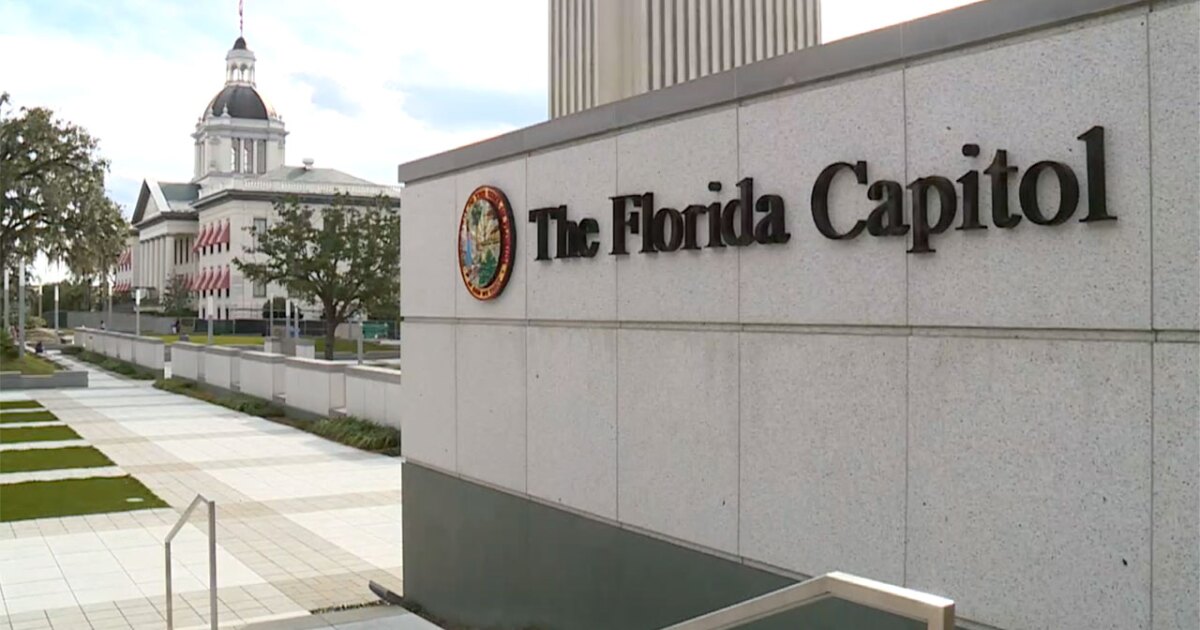
Florida homeowners may soon get a clearer look at why their insurance premiums keep climbing. Lawmakers in Tallahassee have advanced a new measure, HB 767, designed to make insurers more transparent about the numbers behind their rate increases.
A unanimous 114-0 vote in the House signals just how urgently Florida leaders want answers for frustrated homeowners.
While HB 767 does not cap premiums or limit rate hikes, it would require insurers to publicly post certain rate and premium data that is not considered a trade secret. For policyholders, this means a long-awaited opportunity to finally understand how insurers calculate the prices they charge.
What HB 767 Means for Policyholders
Rep. Yvette Benarroch of Naples, who filed the bill, emphasized that transparency is a crucial first step in rebuilding trust between Floridians, insurance companies, and state leadership.
She explained that affordability challenges continue to pressure homeowners statewide, and insurance remains a major part of the struggle. Many constituents feel left in the dark regarding premium increases. HB 767 aims to change that.
If signed into law, the newly required data would be posted on the official state insurance website, making it accessible to consumers, real estate professionals, analysts, and anyone trying to make sense of Florida’s evolving insurance landscape.
The Bill Moves to the Florida Senate
With unanimous House approval, HB 767 now moves to the Senate for further consideration. If passed, residents may soon gain a valuable tool for understanding one of the most complex and frustrating aspects of homeownership in the Sunshine State.
For professionals in real estate, insurance, and property management, staying informed is essential. Regulatory shifts like these directly affect transactions, advisement, and long-term planning.
This is why industry-focused education matters. At Cameron Academy, we provide the knowledge and flexibility professionals need to stay ahead of policy changes and market trends. Whether pursuing a real estate license, an insurance license, or continuing education, we help you build confidence and expertise that lasts throughout your career.
You can also explore the bill directly through the Florida Senate: Florida Senate: HB 767
More Articles
Getting licensed or staying ahead in your career can be a journey—but it doesn’t have to be overwhelming. Grab your favorite coffee or tea, take a moment to relax, and browse through our articles. Whether you’re just starting out or renewing your expertise, we’ve got tips, insights, and advice to keep you moving forward. Here’s to your success—one sip and one step at a time!
Florida’s insurance market is under intense pressure as millions of residents and trillions in property wealth cluster along hurricane‑vulnerable coastlines. This article breaks down how decades of growth in high‑risk zones created today’s crisis, why traditional pricing models can’t keep up, and what real estate and insurance professionals must do to stay ahead. It offers actionable insights on underwriting, risk communication, policy partnerships, and resilience planning—critical knowledge for anyone advising Florida homeowners or navigating the state’s evolving insurance landscape.
Florida’s homeowners insurance market may have stabilized, but not in the way residents hoped. After years of runaway increases, premiums have stopped spiking—but they’re holding at painfully high levels. Coastal properties remain the hardest hit, with some policies topping $15,000 a year, while insurers continue demanding costly upgrades and resisting calls for transparency. For real estate professionals, understanding these pricing pressures is becoming essential as insurance costs increasingly shape buyer decisions across the state.
Florida homeowners face soaring premiums, shrinking insurer options, and storms that grow stronger each year. This article breaks down what hurricane insurance actually covers, how deductibles really work, why flood insurance is essential, and what professionals in real estate, mortgage, and insurance must understand to protect clients and properties before the next major storm hits.
Teresa King Kinney, one of the most influential executives in modern real estate, is retiring after 33 years as CEO of the MIAMI Association of Realtors. Under her leadership, the organization grew from 5,000 members to 60,000, became a global real estate powerhouse, and built the nation’s largest association‑owned MLS. As she transitions into CEO Emeritus, MIAMI prepares for a new era shaped by the foundation she spent decades building.
Miami’s commercial property market is heating up again, posting an 11% jump in investment volume for 2025. The surge is driven largely by a revitalized retail sector fueled by population growth, strong tourism, and new mixed‑use development. While office and industrial activity remains steady but softer, investor confidence is returning as Miami’s CRE landscape matures and buyers re‑enter the market with renewed interest in high‑traffic retail opportunities.
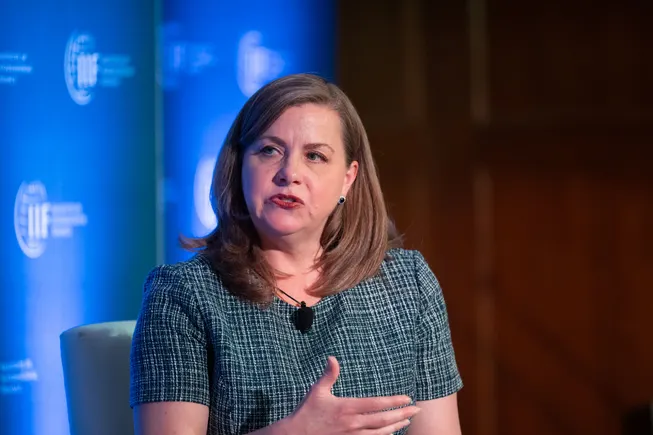
The Federal Reserve is preparing major changes to mortgage regulations in an effort to pull more mortgage activity back into the banking sector. With banks losing significant market share to nonbank lenders over the past decade, Fed Vice Chair for Supervision Michelle Bowman says new proposals may ease capital requirements and make mortgage servicing more attractive for banks. These shifts could have wide‑ranging effects on real estate professionals, lenders, and borrowers as the balance of power in the mortgage market begins to shift once again.