Florida Housing Market: A Resilient Outlook Amidst Economic Fluctuations


In the ever-evolving landscape of real estate, the Florida housing market remains a beacon of interest for buyers, sellers, and investors. With its alluring sunny beaches and vibrant cities, Florida has long been a hotspot for real estate activity. However, the question of sustainability looms large as the market continues its upward trajectory.

Market Stability and Growth Projections


Experts are optimistic, dismissing fears of an imminent crash in the next two years. While the pace of growth may decelerate due to rising interest rates, Florida’s demographics and economic resilience paint a picture of stability. The state’s population growth, fueled by migration and lifestyle appeal, continues to support housing demand, counterbalancing economic pressures.

As we look ahead to 2025-2026, the Florida housing market is expected to maintain its positive trend, albeit at a slower pace. Home values have surged approximately 80% over the past five years, and this upward momentum is forecasted to persist, albeit with more moderate appreciation rates.

Current Trends and Influences


  • Price Adjustments: Following a period of rapid price increases, analysts anticipate stabilization. Some markets may experience temporary declines, but a rebound is expected by 2024, leading to sustainable appreciation rates of 3% to 5% annually.
  • Inventory Levels: A 27.8% year-over-year rise in housing inventory is likely to continue, offering more options for buyers and moderating price growth.
  • Mortgage Rates: Elevated mortgage rates, hovering around 6% to 7%, are expected to gradually decline as inflation pressures ease, potentially making home buying more accessible by late 2024 into 2025.
  • Demographic Support: Ongoing population growth driven by migration and lifestyle appeal continues to fuel housing demand, supporting the market despite economic headwinds.

The Road Ahead


By 2026, the market is expected to see a return to normalized appreciation rates, with home values likely increasing by 3% to 5% annually. This growth will be underpinned by strong demographic trends and economic fundamentals. The housing market may begin to thaw, with increased sales activity as mortgage rates decline and inventory levels stabilize.

However, challenges remain. Elevated mortgage rates and potential economic fluctuations could impact buyer sentiment and market dynamics, leading to localized downturns in areas with significant price increases.

In conclusion, while the Florida housing market may experience fluctuations and stabilization in growth rates, a crash seems unlikely. The combination of economic fundamentals, population growth, and the state’s inherent appeal suggests a market that will continue to attract interest and investment. For those considering entering the Florida real estate market, staying informed and vigilant about market trends is crucial for making sound decisions.


More Articles

Getting licensed or staying ahead in your career can be a journey—but it doesn’t have to be overwhelming. Grab your favorite coffee or tea, take a moment to relax, and browse through our articles. Whether you’re just starting out or renewing your expertise, we’ve got tips, insights, and advice to keep you moving forward. Here’s to your success—one sip and one step at a time!

Florida Homeowners Finally Get Relief as Gov. DeSantis Announces Significant Insurance Premium Cuts

Florida homeowners — especially in hard‑hit South Florida — are set to see rare and substantial reductions in their property insurance premiums. Gov. Ron DeSantis announced an average statewide Citizens Insurance decrease of 8.7%, with even larger savings of up to 14% in counties like Miami-Dade, Broward, and Palm Beach. State officials credit recent legal and regulatory reforms for stabilizing the market, attracting new insurers, and delivering the first meaningful rate relief Floridians have seen in years.

Tampa’s Real Estate Market Enters a Smarter, More Selective Growth Phase

Tampa’s commercial real estate market isn’t slowing—it’s maturing. With strong population growth, rising office demand, a normalized industrial sector, resurgent retail, and an emerging health‑care real estate boom, investors are shifting from speed to strategy. Tighter underwriting, cautious capital and increased due‑diligence are shaping a more disciplined market, creating new opportunities for informed professionals.

Florida Slashes Home Insurance Rates: Biggest Drop in a Decade Sends Shockwaves Through the Market

Florida homeowners are finally seeing relief as Citizens Property Insurance announces a major 8.7% average rate decrease—far larger than originally proposed. Driven by legislative reforms, fewer lawsuits, and a calm hurricane season, the state’s once‑unstable insurance market is showing real signs of recovery. But with reduced coverage limits and shifting legal protections, experts warn that lower premiums may come with hidden trade‑offs.

Florida Homeowners Finally Get Insurance Relief After Years of Soaring Premiums

After a decade of rising premiums and retreating carriers, Florida homeowners are finally seeing long‑awaited relief. Dozens of insurers have filed for rate decreases—some as high as 11%—thanks to legislative reforms and a stabilizing market. Early approvals are already hitting counties across the state, and experts say the momentum could boost buyer confidence, affordability, and competition throughout Florida’s real estate and insurance sectors.

Self‑Storage Investing in 2026: A Market Thaw Opens the Door to Big Opportunities

After years of slowed activity caused by rising interest rates, the self‑storage industry is heating up again. New data from Marcus & Millichap shows a fresh market cycle emerging, driven by renewed buyer confidence, recalibrated pricing, and stronger lender participation. Acquisitions are rebounding, development is resetting in a healthier direction, and financing conditions are improving—creating one of the most promising investment landscapes the sector has seen in years.

Brookline’s Real Flood Risk: What FEMA’s New Maps Reveal—and What They Miss

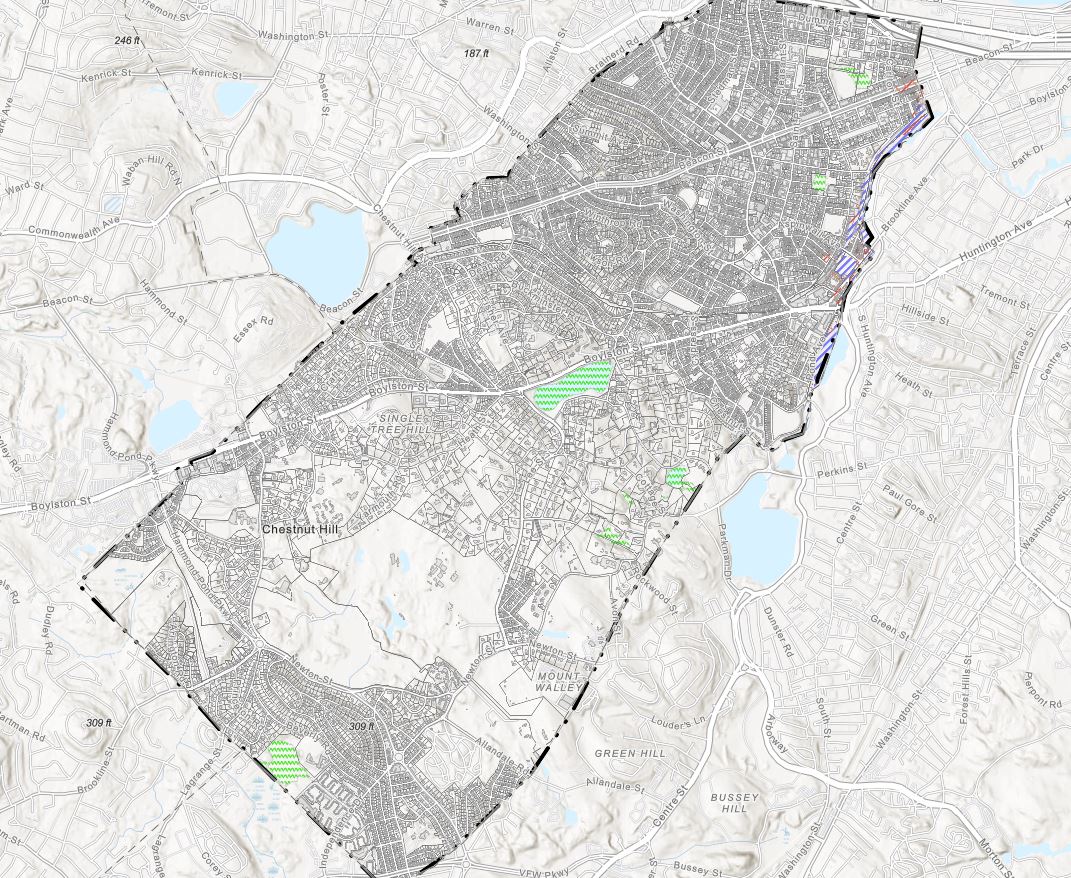
Brookline’s newly updated FEMA flood maps identify 97 high‑risk parcels, but local experts warn the true threat is far greater. While FEMA highlights river‑based flooding around Leverett Pond and the Muddy River, alternative models show more than 1,300 Brookline properties at risk within 30 years. Hidden vulnerabilities along major corridors like Beacon Street, rising rainfall intensity, aging infrastructure, and climate‑driven storm patterns suggest that many “low‑risk” areas may be anything but safe.