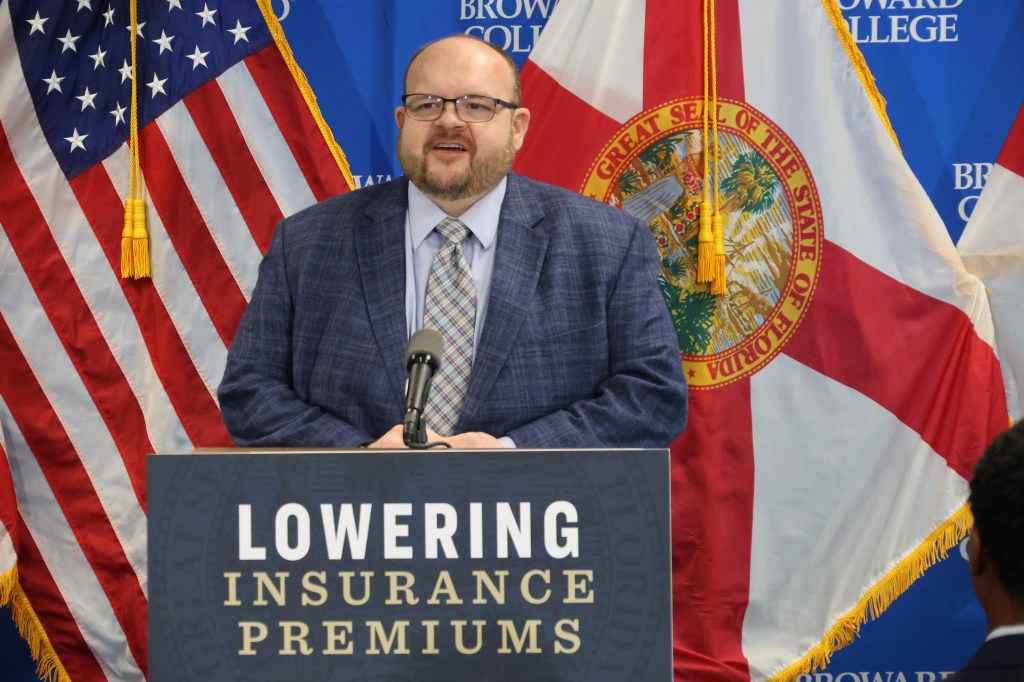
Florida’s Insurance Commissioner Asks the Question Nobody Wants:“Have You Read Your Policy?”
Florida homeowners don’t need a sleep aid—many already have a 150‑page insurance policy capable of knocking them out cold. Yet as hurricane seasons grow more unpredictable and more damaging, the fine print inside those massive policy documents has never carried greater weight.
According to a detailed report from the Herald‑Tribune, Florida Insurance Commissioner Mike Yaworsky is pushing for policy simplification after thousands of homeowners realized—far too late—that the coverage they assumed they had… they simply didn’t.
Quick Takeaways
Most Floridians haven’t read their full insurance policy (even many agents admit this).
Thousands of hurricane claims were denied due to limited coverage or missing flood insurance.
Water‑damage caps and managed repair clauses are catching homeowners by surprise.
Insurance costs remain one of the biggest concerns for Florida residents.
The Reality Behind the Fine Print
Yaworsky didn’t sugarcoat it during a Senate committee meeting: even insurance experts struggle to read policies cover‑to‑cover. If the pros are overwhelmed, what chance does the average homeowner really have?
After the 2024 hurricane season, the consequences became startlingly clear. Nearly 150,000 claims from Hurricanes Helene and Milton were closed with no payment. Many Floridians wrongly believed that hurricane insurance included flood protection—only to learn, painfully, that storm surge is not part of standard homeowners coverage.
Tap here to explore the full Herald‑Tribune investigation that inspired this article.
Why So Many Claims Get Denied
Insurance attorney Harold Levy from HL Law Group explains that homeowners often fixate on one thing: price. But a lower premium doesn’t always equal better protection. Hidden limitations—like restricted water‑damage payouts or required managed repairs—can dramatically slash reimbursement after a disaster.
For example, many homeowners discover too late that their policies cap water‑damage coverage at $10,000, despite actual repair costs running far higher. Others learn they accidentally agreed to a managed repair clause when they attempt to hire their own contractor—and can’t.
Lawmakers Have Made Progress—But Not Enough
Over the last decade, Florida lawmakers have pushed for clearer policy language, including upfront deductible disclosures. While helpful, experts say policies remain overly dense, overly technical, and filled with subtle limitations buried dozens of pages deep.
And although insurance rates have recently shown signs of stabilizing, many homeowners are still paying three to four times what they paid just six years ago, according to data from the University of North Florida’s Public Opinion Research Lab.
A Huge Opportunity for Professionals
As policies grow increasingly complex, the demand for well‑trained, well‑educated professionals in real estate, insurance, and mortgage sectors continues to surge. Consumers rely heavily on their advisors to help them navigate coverage requirements, flood risks, and policy exclusions.
For newcomers entering the field—or seasoned experts sharpening their knowledge—high‑quality education is essential.
That’s exactly where Cameron Academy shines. Offering everything from insurance pre‑licensing to advanced real‑estate continuing education, Cameron Academy equips professionals with the clarity and confidence their clients depend on.
Final Thought
Your insurance policy is more than paperwork—it’s your financial shield after a storm. Whether you’re a homeowner or an industry professional guiding others, truly understanding what’s inside those pages isn’t optional… it’s essential.
So the next time you feel tempted to skip past the fine print… maybe pause and give page three a careful read.
More Articles
Getting licensed or staying ahead in your career can be a journey—but it doesn’t have to be overwhelming. Grab your favorite coffee or tea, take a moment to relax, and browse through our articles. Whether you’re just starting out or renewing your expertise, we’ve got tips, insights, and advice to keep you moving forward. Here’s to your success—one sip and one step at a time!
Florida’s property insurance market is finally showing signs of recovery after years of soaring premiums, litigation chaos, and insurer withdrawals. With rate increases now the lowest in the nation, Citizens Insurance shrinking, and new carriers re‑entering the state, Insurance Commissioner Michael Yaworsky says the market is turning a corner. But while stabilization is underway, many homeowners are still asking why premiums haven’t dropped—and the answer lies in skyrocketing replacement costs, not rates. As reforms continue and AI, transparency rules, and mitigation incentives expand, real estate and insurance professionals should prepare for an evolving landscape that directly impacts affordability, buyer behavior, and long‑term market confidence.
In a candid conversation with Mortgage Professional America, NAMB president Kimber White lays out a series of structural reforms aimed at restoring homeownership access for millions of Americans. From revitalizing down payment assistance to rethinking loan-level price adjustments and incentivizing builders, White argues that meaningful affordability relief is achievable—but only through coordinated policy changes that address both costs and inventory shortages.
Artificial intelligence is rapidly transforming the insurance world, but a major power struggle is unfolding over who gets to regulate it. As insurers adopt AI at record speed, state regulators and the federal government are clashing over oversight authority—especially after a new executive order aims to put Washington in charge. With states pushing back and new evaluation tools on the horizon, the future of AI in insurance is becoming one of the biggest regulatory battles professionals need to watch.
A new CBRE Investor Intentions Survey shows that 2026 is shaping up to be a strong year for commercial real estate, with 95 percent of investors planning to buy more assets and over half increasing their capital allocation. Stabilizing pricing, improving market fundamentals, and expectations of cooling debt costs are driving renewed optimism as investors target high‑growth markets like Dallas, Atlanta, Tampa, and Charlotte, while doubling down on multifamily, industrial, and value‑add strategies.
Lofty has introduced Lofty AOS, the first agentic AI operating system built to autonomously manage real estate workflows—from lead engagement to marketing, transactions, and website creation. Unlike traditional AI that waits for prompts, Lofty’s system operates like a full digital workforce, coordinating tasks across specialized AI agents. As this technology transforms daily operations for agents and brokerages, professionals with strong training and licensing will become even more essential.
The Federal Reserve has started 2026 by keeping interest rates unchanged, despite political pressure, stubborn inflation, and a cooling job market. While consumers don’t pay the federal funds rate directly, its effects ripple through mortgages, credit cards, auto loans, and savings accounts. Mortgage affordability remains tight, credit card APRs are easing slowly, auto loan balances are climbing, and savings yields are one of the few bright spots. For real estate, mortgage, and finance professionals, understanding these shifts is essential as the market braces for another complex year.