Florida Insurance Costs Drop 14.5% After Major Reforms, New Report Finds
Florida’s sweeping 2022 and 2023 legislative reforms are doing more than calming the state’s turbulent insurance market—they’re reshaping the economic landscape. According to a powerful new analysis from the Perryman Group, property‑casualty insurance costs in Florida are now 14.5% lower than they would have been without the reforms.
The update arrives after years of soaring premiums, insurer failures, and widespread concern that the state’s insurance market was reaching a breaking point. Now, the numbers reveal something Floridians haven’t seen in years: real relief.
Billions Flowing Back Into Florida’s Economy
The Perryman Group—a respected, non-partisan economic research firm—reports that the insurance cost reductions are responsible for generating more than $4.2 billion in economic activity statewide. Even more striking: over 29,000 new jobs have been created as a result.
“Florida’s tort reforms are achieving exactly what policymakers intended,” said Stef Zielezienski, executive vice president and chief legal officer for the American Property Casualty Insurance Association. According to APCIA, the reforms have eased excessive litigation pressures, encouraged insurers to re-enter the market, and slowed the once‑explosive rise of premiums for consumers and businesses alike.
Premiums Finally Cooling After Years of Increases
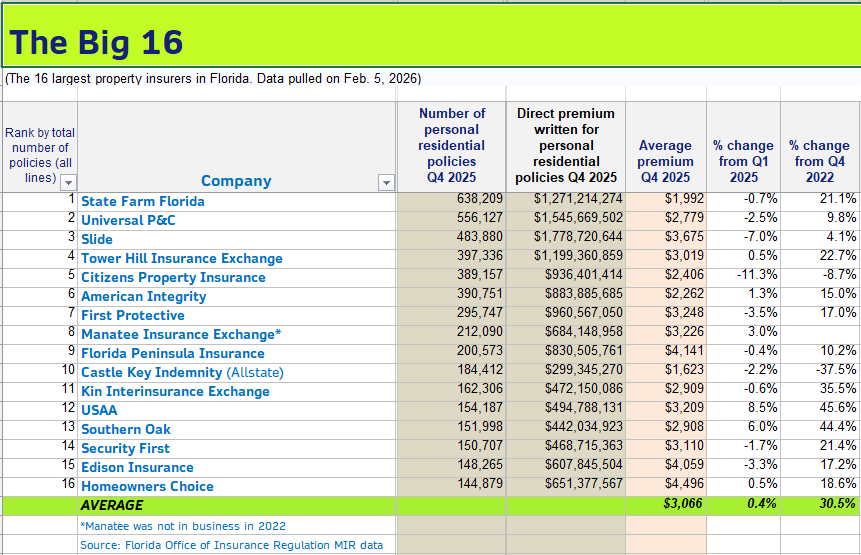
Fresh data from the Florida Office of Insurance Regulation adds even more support. Among the 16 largest property insurers in the state, average residential premiums rose less than 1% in 2025—an astonishing improvement compared to the back‑to‑back years of double‑digit increases.
Even better: ten of those carriers actually lowered their premiums last year, with reductions as significant as 11%. After a decade of turbulence, this marks a notable step toward true market stability.
Lower insurance costs affect far more than homeowners. They ripple outward—boosting commercial development, empowering small businesses, and strengthening long‑term economic health across Florida.
For professionals in industries like insurance, real estate, finance, and beyond, understanding these shifts is essential. Schools such as Cameron Academy play a pivotal role by helping Florida professionals stay educated, licensed, and prepared for rapid changes in the market.
As the Perryman analysis highlights, these benefits are expected to grow exponentially over time, supporting a stable legal environment and fueling sustainable statewide economic expansion.
Getting licensed or staying ahead in your career can be a journey—but it doesn’t have to be overwhelming. Grab your favorite coffee or tea, take a moment to relax, and browse through our articles. Whether you’re just starting out or renewing your expertise, we’ve got tips, insights, and advice to keep you moving forward. Here’s to your success—one sip and one step at a time!
Cameron Academy's state-approved 63-hour Florida Real Estate Sales Associate Pre-License Course begins April 13, 2026 at the Dr. Phillips campus in Orlando. Attend in person or join live via Zoom. Morning schedule, expert instruction, and only 14 seats remaining. Enroll now before this class fills up.
The Florida real estate licensing exam is the single biggest gatekeeper between you and a career in one of the nation's most active real estate markets. And the numbers don't sugarcoat it: roughly half of all first-time test-takers in Florida walk out without a passing score. According to data compiled by Colibri Real Estate, Florida's first-time pass rate sits at approximately 51%, with about 41,900 candidates taking the exam each year.
Part-Time vs. Full-Time: Can You Get Your Real Estate License While Working a 9‑to‑5? The honest, data-backed guide to earning your license around a day #ReadMore
Florida’s 2026 legislative session brought significant victories for real estate professionals, with Realtor advocacy preserving key regulatory structures, strengthening property rights, improving major housing programs, and protecting agents from new liabilities. From blocking the dismantling of the Florida Real Estate Commission to advancing bills that support safer, more transparent transactions, these wins shape a more stable future for Florida agents, brokers, and consumers.
AI‑enhanced listing images are transforming real estate marketing, but they’re also creating a growing trust problem. Tools that once simply brightened rooms can now erase damage, add furniture, or even generate entirely new scenes, fueling a trend known as “housefishing.” As complaints rise and states like California introduce disclosure laws, the industry is being forced to confront a new reality: the more perfect the photos get, the more renters and buyers crave authenticity.
Florida homeowners hit by Hurricane Milton face an important April 9 deadline to file or reopen supplemental insurance claims. With more than 385,000 claims and over 5.6 billion dollars in losses already reported, experts warn that waiting until construction is completed could leave families without the additional funds they’re owed. An 18‑month window applies to supplemental claims, and missing it could cause insurance companies to deny further reimbursement.