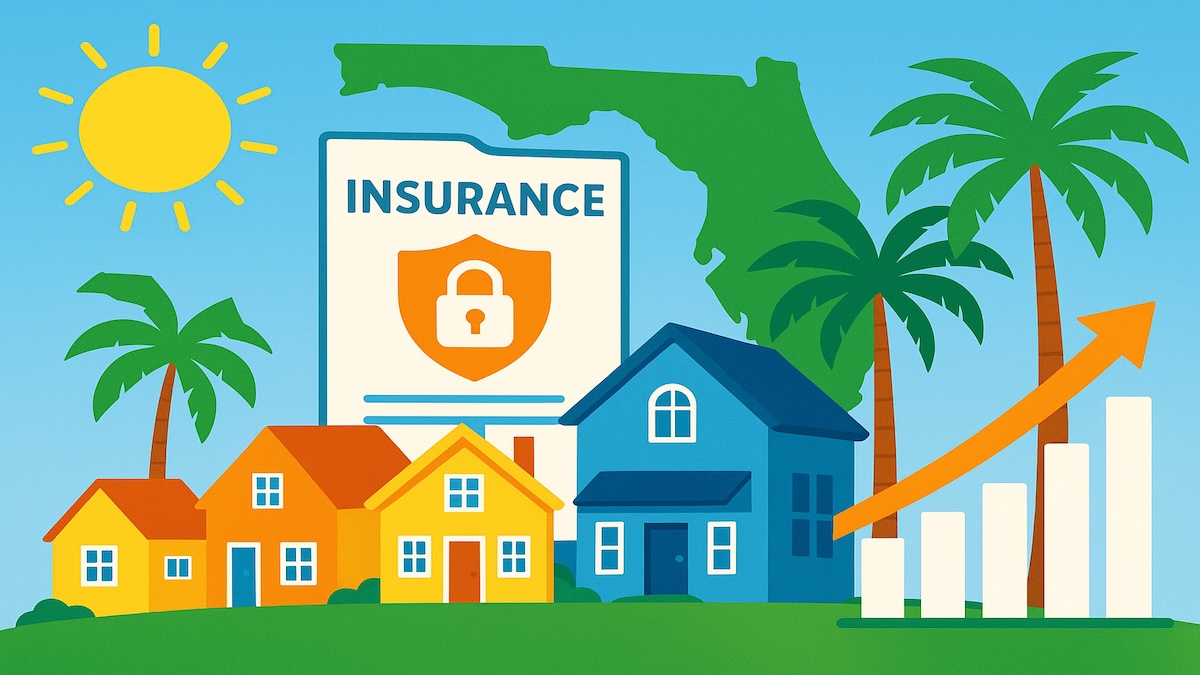
Florida Insurance Shake‑Up: Citizens Announces Even Bigger Rate Cuts for 2026
Florida homeowners just got hit with something they haven’t felt from Citizens Property Insurance Corp. in over a decade — genuine, meaningful relief. After surprising Floridians last month with the first proposed rate decrease in 10 years, Citizens is now dropping rates even further for 2026.
According to new announcements made in Davie by Gov. Ron DeSantis, multiperil homeowners’ policies will now see an average statewide decrease of 8.7% — a dramatic jump from the previously proposed 2.6% cut that DeSantis famously criticized as “milquetoast.”
The takeaway: Whether you’re a Florida homeowner, a real estate professional, or preparing for your licensing journey through schools like Cameron Academy, shifts in insurance pricing directly influence market confidence, buying power, and long‑term planning.
Why the Sudden Drop?
The shift follows sweeping insurance reforms passed over the last two years. These measures significantly reduced policyholders’ ability to sue insurers — a strategic move meant to stabilize the market and attract carriers back into Florida’s volatile landscape.
It appears to be paying off:
• Seventeen insurance companies have re‑entered or expanded into Florida.
• Citizens has shed more than one million policies since its late‑2023 peak.
• A calm 2025 hurricane season boosted financial security.
• Several private insurers have announced their own rate reductions.
South Florida Still Takes the Spotlight
South Florida — long the epicenter of premium pressure — is seeing some of the most generous cuts. Counties stretching from the Keys to West Palm Beach are projected to benefit from reductions between 11% and 14%.
Citizens officials, however, expressed surprise at the governor’s announcement, saying they are awaiting updated, county‑specific numbers from the Office of Insurance Regulation.
Florida Remains One of the Most Expensive States for Insurance
Even with these cuts, Florida remains among the priciest insurance markets in the nation. Only Nebraska and Louisiana currently exceed the Sunshine State in average homeowner premiums.
For real estate professionals — including those studying with Cameron Academy — understanding insurance trends is essential. These prices can influence mortgage approvals, investment strategies, and buyer decision‑making.
A Market in Recovery
Florida’s insurance system is navigating a cautious but optimistic recovery. After years of insurer withdrawals, failing carriers, and ballooning premiums, the combination of legal reforms and quiet weather has brought welcome stabilization — and now, real savings.
Still, lower rates don’t guarantee lower overall premiums for every Floridian. Rising property values and higher construction costs could offset some of the benefit.
Not Everyone is Celebrating
Attorney Joe Ligman, who represents policyholders in disputes, warns that the new savings may come at the cost of reduced consumer protections. Some reforms cap certain payouts, narrow coverage categories, and route disputes into administrative courts — areas where insurers often hold the advantage.
One notable example: Citizens now caps most water damage claims at $10,000, a limit that may fall short in real‑world plumbing or flooding scenarios.
What This Means for Florida’s Professional Community
For professionals in real estate, mortgage, insurance, and related fields — including those advancing their careers through Cameron Academy — these shifts signal renewed market stability.
More manageable premiums can stimulate buyer activity, support predictable financial planning, and help restore confidence across Florida’s property market heading into 2026.
Getting licensed or staying ahead in your career can be a journey—but it doesn’t have to be overwhelming. Grab your favorite coffee or tea, take a moment to relax, and browse through our articles. Whether you’re just starting out or renewing your expertise, we’ve got tips, insights, and advice to keep you moving forward. Here’s to your success—one sip and one step at a time!
President Trump recently suggested mortgage rates will drop “a lot lower” by early 2026, sparking industry-wide curiosity — but current economic data tells a more measured story. With today’s 30‑year fixed hovering near 6.25%, experts say meaningful declines remain possible, though not guaranteed, and would depend on softer inflation, weaker economic signals, or a shift in bond market behavior. While political comments created headlines, analysts emphasize that only market conditions — not rhetoric — can drive rates down. Independent forecasts already point toward mid‑5% rates by 2026, offering a potentially healthier landscape for buyers, agents, and mortgage professionals preparing for the next cycle.
Artificial intelligence has moved from a futuristic concept to a central force driving today’s mortgage industry. From smarter underwriting to enhanced borrower experiences and tighter compliance, AI is transforming every corner of mortgage lending. As expectations rise and competition accelerates, AI literacy is no longer optional — it’s a core skill every mortgage, real estate and finance professional must master to stay relevant and lead confidently.
Global commercial real estate is shifting away from short-term recovery cycles and entering a long-term transformation driven by technology, sustainability, demographic change, and evolving work‑life patterns. Capital is becoming more selective, favoring resilient assets and alternative lenders, while high‑demand sectors such as industrial, logistics, data infrastructure, and specialized residential continue to outperform. Geography, sustainability standards, and flexibility are emerging as defining forces for the next cycle, signaling major opportunities—and challenges—for real estate professionals preparing for the future.
Artificial intelligence has moved from hype to essential infrastructure in the real estate world. From smarter valuations and predictive analytics to automated lead generation and personalized property-matching tools, AI is transforming how agents, brokers, lenders, and managers operate. As top platforms like Zillow, Redfin, Opendoor, and dozens more integrate deep‑learning technology, professionals across real estate, mortgage, insurance, and finance are being pushed to adapt. The future belongs to those who embrace these tools — and use them to elevate speed, accuracy, and client experience.
Florida’s once‑troubled property insurance market has staged an impressive recovery after its near‑collapse in 2022. A new ALIRT Insurance Research report shows that legislative reforms, tighter underwriting and the arrival of new insurers have restored stability, reduced Citizens’ policy load and revived industry confidence. While risks remain, the rebound is reshaping housing affordability and creating fresh opportunities for real estate, mortgage and insurance professionals.
A new bill gaining momentum in Tallahassee would stop insurers from denying claims based solely on artificial intelligence. Championed by Rep. Hillary Cassell, the proposal aims to restore trust in Florida’s troubled insurance market by ensuring human oversight in decisions that affect homeowners, newcomers, and industry professionals. As debates intensify, experts warn AI is reshaping insurance faster than ever—making it critical for real estate, mortgage, and insurance professionals to understand the regulatory shifts ahead.