Florida Insurance Shake‑Up: Citizens Announces Even Bigger Rate Cuts for 2026
Florida homeowners just got hit with something they haven’t felt from Citizens Property Insurance Corp. in over a decade — genuine, meaningful relief. After surprising Floridians last month with the first proposed rate decrease in 10 years, Citizens is now dropping rates even further for 2026.
According to new announcements made in Davie by Gov. Ron DeSantis, multiperil homeowners’ policies will now see an average statewide decrease of 8.7% — a dramatic jump from the previously proposed 2.6% cut that DeSantis famously criticized as “milquetoast.”
The takeaway: Whether you’re a Florida homeowner, a real estate professional, or preparing for your licensing journey through schools like Cameron Academy, shifts in insurance pricing directly influence market confidence, buying power, and long‑term planning.
Why the Sudden Drop?
The shift follows sweeping insurance reforms passed over the last two years. These measures significantly reduced policyholders’ ability to sue insurers — a strategic move meant to stabilize the market and attract carriers back into Florida’s volatile landscape.
It appears to be paying off:
• Seventeen insurance companies have re‑entered or expanded into Florida.
• Citizens has shed more than one million policies since its late‑2023 peak.
• A calm 2025 hurricane season boosted financial security.
• Several private insurers have announced their own rate reductions.
South Florida Still Takes the Spotlight
South Florida — long the epicenter of premium pressure — is seeing some of the most generous cuts. Counties stretching from the Keys to West Palm Beach are projected to benefit from reductions between 11% and 14%.
Citizens officials, however, expressed surprise at the governor’s announcement, saying they are awaiting updated, county‑specific numbers from the Office of Insurance Regulation.
Florida Remains One of the Most Expensive States for Insurance
Even with these cuts, Florida remains among the priciest insurance markets in the nation. Only Nebraska and Louisiana currently exceed the Sunshine State in average homeowner premiums.
For real estate professionals — including those studying with Cameron Academy — understanding insurance trends is essential. These prices can influence mortgage approvals, investment strategies, and buyer decision‑making.
A Market in Recovery
Florida’s insurance system is navigating a cautious but optimistic recovery. After years of insurer withdrawals, failing carriers, and ballooning premiums, the combination of legal reforms and quiet weather has brought welcome stabilization — and now, real savings.
Still, lower rates don’t guarantee lower overall premiums for every Floridian. Rising property values and higher construction costs could offset some of the benefit.
Not Everyone is Celebrating
Attorney Joe Ligman, who represents policyholders in disputes, warns that the new savings may come at the cost of reduced consumer protections. Some reforms cap certain payouts, narrow coverage categories, and route disputes into administrative courts — areas where insurers often hold the advantage.
One notable example: Citizens now caps most water damage claims at $10,000, a limit that may fall short in real‑world plumbing or flooding scenarios.
What This Means for Florida’s Professional Community
For professionals in real estate, mortgage, insurance, and related fields — including those advancing their careers through Cameron Academy — these shifts signal renewed market stability.
More manageable premiums can stimulate buyer activity, support predictable financial planning, and help restore confidence across Florida’s property market heading into 2026.
Getting licensed or staying ahead in your career can be a journey—but it doesn’t have to be overwhelming. Grab your favorite coffee or tea, take a moment to relax, and browse through our articles. Whether you’re just starting out or renewing your expertise, we’ve got tips, insights, and advice to keep you moving forward. Here’s to your success—one sip and one step at a time!
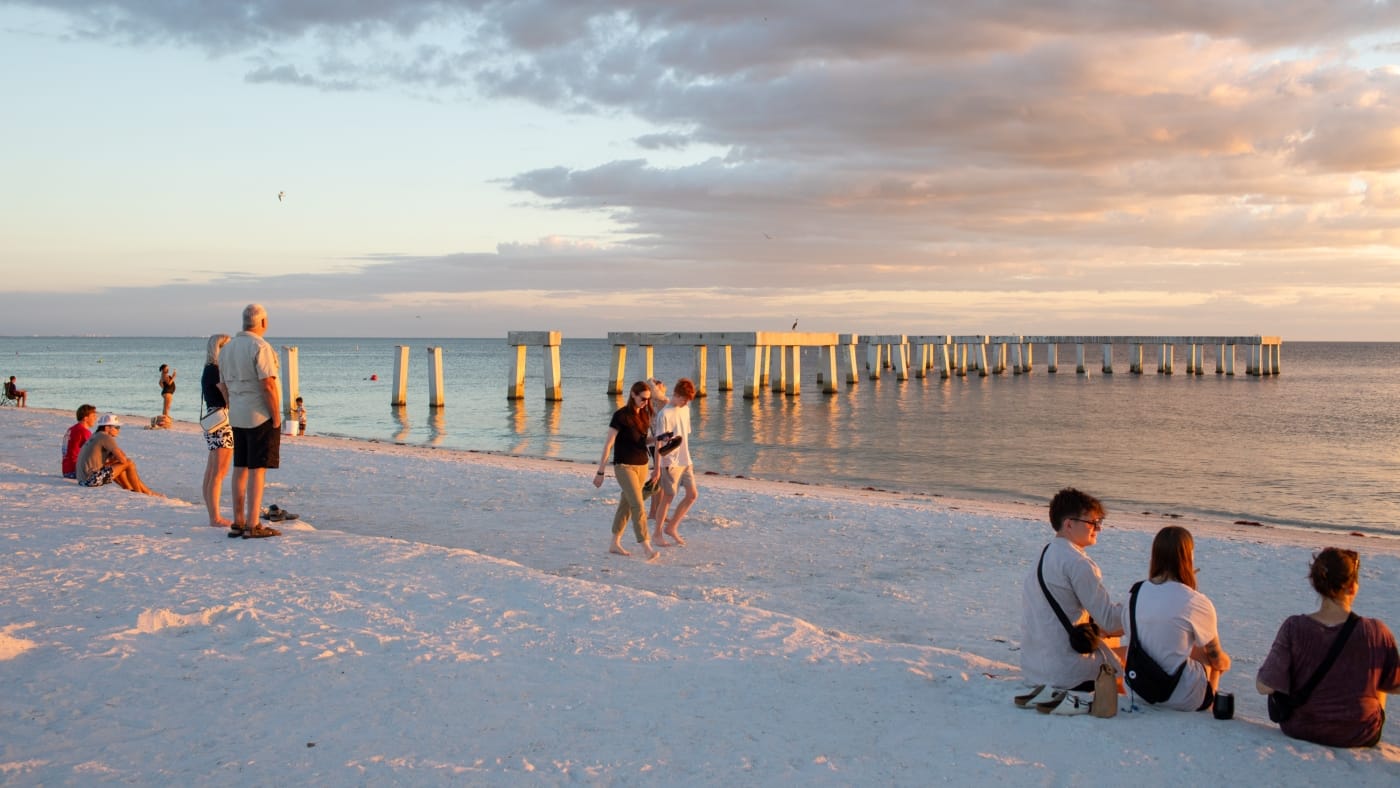
Fort Myers Beach is becoming the front line of a new Florida—one shaped by hurricane devastation, soaring insurance premiums, and rapid gentrification. Three years after Hurricane Ian, residents are still battling massive rebuilding costs and insurance bills that now exceed $5,700 a year on average, with flood insurance reaching $10,000 for some families. Long-time locals, small businesses, and service workers are being priced out as wealthy investors move in, transforming once-affordable coastal communities. Real estate professionals warn that foreclosures may rise if economic pressures continue, signaling a pivotal moment for Florida’s housing market and the professionals who serve it.
Economic uncertainty, AI disruption, slowing population growth, and rising portfolio risk are reshaping commercial real estate heading into 2026. A new report unveiled at NAR NXT highlights the forces that will reward informed professionals — and challenge those who aren’t prepared. From fiscal policy and shifting capital flows to tech transformation and housing shortages, the landscape is evolving fast. Cameron Academy breaks down the key issues so real estate, mortgage, finance, and insurance professionals can stay ahead of the curve.
A sudden federal shutdown of FEMA’s BRIC resiliency program has left cities and commercial property owners scrambling, exposing billions in real estate to rising climate threats. With nearly a billion dollars in mitigation funding clawed back and extreme weather intensifying, insurance premiums are expected to surge and coverage may shrink — placing new pressure on markets like Florida and New York.
A new Florida Senate bill aims to stop cities and counties from blocking residential developments over vague “compatibility” concerns. Supporters say the measure would speed up homebuilding and ease housing shortages, while opponents argue it strips communities of essential oversight and could accelerate growth without proper planning. The proposal could reshape development timelines and land-use decisions statewide, making it a major issue for real estate professionals to watch.
Cape Coral–Fort Myers has officially moved into buyer-friendly territory, with homes now sitting a median 119 days on the market—far longer than both the Florida and U.S. averages. Rising inventory, a 36.9 percent price‑reduction rate, and slower absorption compared to accumulated supply are giving buyers more leverage and time to negotiate, signaling a meaningful reset in this once‑fast‑moving Florida market.
Kansas City’s commercial real estate sector is finally turning a corner after several years of sluggish activity. Retail is leading the rebound, while multifamily and industrial properties are gaining traction as pricing stabilizes and buyer confidence returns. A standout 2025 transaction—the sale of the 380‑unit Cyan Southcreek community—signals that capital is flowing back into the market. With bid‑ask spreads tightening and investor optimism rising, Kansas City is entering a period of renewed opportunity for real estate professionals and investors alike.


 Florida’s Middle Class Is Being Squeezed Out: Insurance Costs, Rebuilding Struggles, and a Changing Coastline Gallery