Florida Judge Orders a Restart of Citizens Insurance Arbitration — What It Means for Homeowners and Professionals
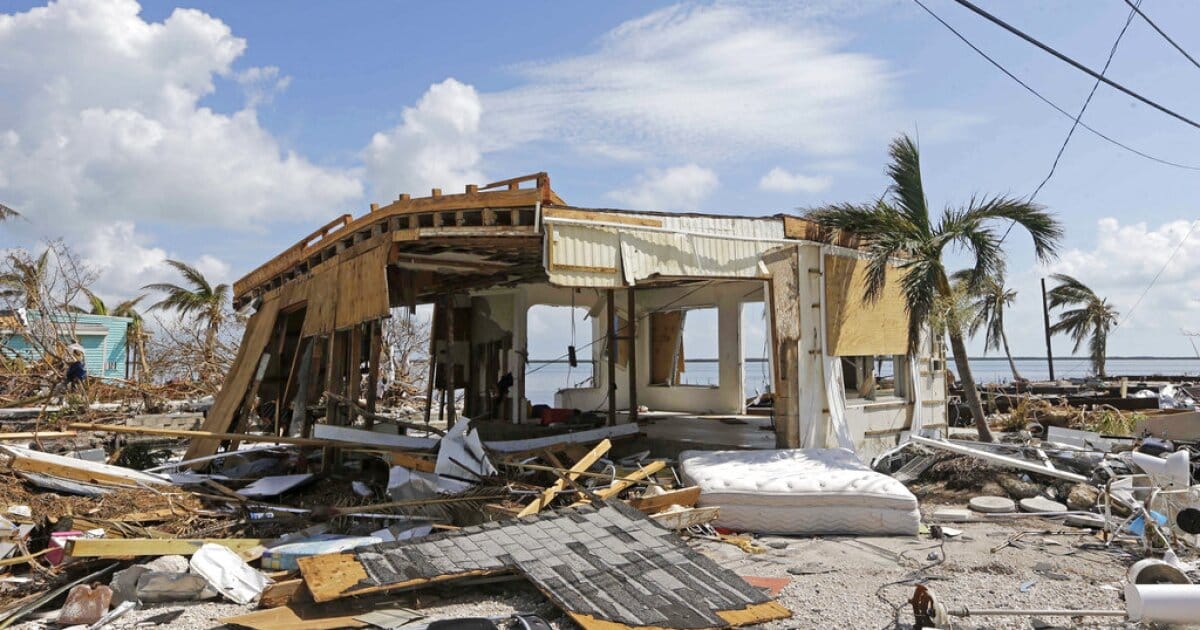
Hurricane-damaged coastal home in florida

A major legal shakeup just hit Florida’s property insurance world — and if you work in real estate, insurance, mortgage, or any property‑related profession, this ruling is one you’ll want to keep an eye on. A Leon County circuit judge has officially ordered the Florida Division of Administrative Hearings to restart arbitration for Citizens Property Insurance Corp. claims, reversing a stall that’s been in place since August.

This decision, delivered by Judge Jonathan Sjostrom, directly conflicts with an earlier injunction from Hillsborough Circuit Judge Melissa Polo, who previously ruled that the arbitration system was likely unconstitutional. And now, with more than 400 frozen cases suddenly set back into motion, Florida’s insurance landscape is heating up fast.

Why This Matters: Stability, Claims, and the Future of Florida Property Insurance

Citizens — the state’s insurer of last resort — is at the center of Florida’s ongoing insurance turbulence. As storms intensify and private carriers reduce their exposure, Citizens has become a critical safety net for many property owners.

In 2023, lawmakers granted Citizens the power to route disputes through arbitration rather than traditional courts. The intended benefits: fewer lawsuits, faster claims, and more stable premiums. But critics argue that arbitration limits crucial legal protections, including discovery, judicial review, and broader access to the courts.

Source Spotlight: Excellent coverage provided by WUSF Public Media:
Read the full WUSF article here

Two Cases, Two Policyholders, Two Courts

The Leon County ruling originates from policyholder Elmer Lombana, while the earlier Hillsborough case involved Martin Alvarez. Though separate, both challenged the same issue: whether Citizens’ arbitration mandate violates the Florida Constitution’s guarantee of access to courts.

Judge Sjostrom concluded that arbitration clauses were clearly laid out in Citizens’ policy documents and that homeowners knowingly agreed to them. He emphasized that Citizens exists solely due to legislative action — providing essential coverage to Floridians who otherwise might have none.

Judge Polo, however, found that forcing claimants into a system without full legal safeguards could result in “irreparable harm.” Her case is still under review by the 2nd District Court of Appeal, setting the stage for major statewide implications.

What Professionals Should Take Away

If you’re a Florida real estate agent, adjuster, insurance professional, mortgage expert, or property manager, this ruling signals a pivotal shift in how claims disputes could unfold. With hundreds of stalled cases moving again, clients may finally see progress — or complications — depending on future rulings.

Understanding these regulatory shifts helps you guide clients more effectively, anticipate transaction delays, and position yourself as a well‑informed professional in a rapidly changing market.

And if you’re expanding your credentials or entering a new field, now is the time to strengthen your expertise. Cameron Academy supports professionals statewide with licensing education, continuing courses, and career‑advancing programs — helping you stay competitive in this evolving environment.

The Bottom Line

With two courts issuing conflicting opinions, the future of Citizens arbitration is far from settled. But one thing is clear: the direction of Florida’s property insurance system is shifting quickly, and the professionals who stay informed will be the ones best positioned to thrive.

Stay tuned — this story is only beginning.

More Articles

Getting licensed or staying ahead in your career can be a journey—but it doesn’t have to be overwhelming. Grab your favorite coffee or tea, take a moment to relax, and browse through our articles. Whether you’re just starting out or renewing your expertise, we’ve got tips, insights, and advice to keep you moving forward. Here’s to your success—one sip and one step at a time!

Florida’s Property Insurance Crisis Reaches Breaking Point as Lawmakers Hit Pause

Florida now leads the nation in property insurance costs, with many homeowners paying more than $10,000 a year for shrinking coverage and higher deductibles. Despite nearly half of hurricane‑related claims ending with no payout and appeals failing over 90% of the time, state leaders say reforms “need more time to work.” With key relief bills stalled and real estate professionals feeling the shockwaves, experts warn that legislative inaction is deepening a crisis that threatens homeownership and the state’s economic stability.

A Time of Reckoning for Commercial Real Estate

Banks are finally calling in billions tied to troubled commercial real estate loans, pushing delinquency rates to historic highs and ending years of “extend and pretend.” With more than 12% of office loans now delinquent and $875 billion in commercial debt maturing in 2026, regional banks and property owners are facing mounting pressure. As valuations drop and refinancing becomes harder, experts warn that tighter lending standards and broader economic ripple effects are on the horizon—making strategic preparation essential for today’s real estate and finance professionals.

Florida Ends FIGA’s 1% Insurance Assessment Two Years Early

Florida policyholders are getting rare good news: the Florida Insurance Guaranty Association is ending its 1% emergency insurance assessment on October 1—two years ahead of schedule. The decision follows a calmer hurricane season, fewer insurer insolvencies, and growing market stability. The early termination is expected to save Floridians up to $650 million, with the average homeowner seeing about $31 in annual savings. This marks another milestone in the state’s insurance market recovery after major legislative reforms in 2022 and 2023.

The Moment Real Estate Realized AI Isn’t a Toy Anymore

The real estate industry has officially moved past its AI honeymoon phase. What began as a fun, optional tool has quietly become the backbone of how agents create content, communicate with clients, and market properties. But with that shift comes rising concern about authenticity, legal risks, and whether consumers will start questioning what they’re really paying agents for. As AI blends into everything from listing descriptions to client advice, professionals now face a new challenge: proving the human value behind the technology.

Commercial Real Estate Is Finally Turning Around: Why 2026 Could Be the Big Rebound Year

After years of volatility, industry analysts say commercial real estate may finally be on the verge of a major comeback. Investment activity is rising, leasing demand is strengthening, and key cities like Manhattan are leading a broader national recovery. With vacancy rates expected to drop and high‑quality buildings outperforming the rest, 2026 is shaping up to be the turning point investors and professionals have been waiting for.

Rising Costs and Slower Premium Growth Signal a Tougher 2026 for P/C Insurance

AM Best warns that the property and casualty insurance market is heading into a more challenging 2026 as premium growth slows, inflation drives up claims costs, and combined ratios rise. Despite a strong 2025, moderating rates, higher repair and construction expenses, and ongoing reserve deficiencies are pressuring profitability. While commercial lines and personal lines both feel the strain, the E&S market continues to expand as traditional carriers pull back. This shifting landscape highlights the need for insurance professionals to stay sharp, informed, and adaptable.