Florida Lawmakers Move to Strip Local Governments of Power Over Housing Compatibility Rules
A New Power Shift Could Transform Florida’s Housing Landscape
A sweeping piece of legislation now advancing in the Florida Senate could dramatically reshape how new homes and communities are approved across the state. Lawmakers are pushing a bill that would prevent cities and counties from stopping residential development simply because it may be “incompatible” with surrounding neighborhoods — a term critics argue is far too vague to regulate effectively.
Supporters believe the proposed law is a crucial tool to accelerate homebuilding and address Florida’s ongoing housing affordability crisis. Opponents warn it could muzzle local voices, limit community oversight, and fast‑track developments residents never had a fair chance to weigh in on.
What the Bill Would Do
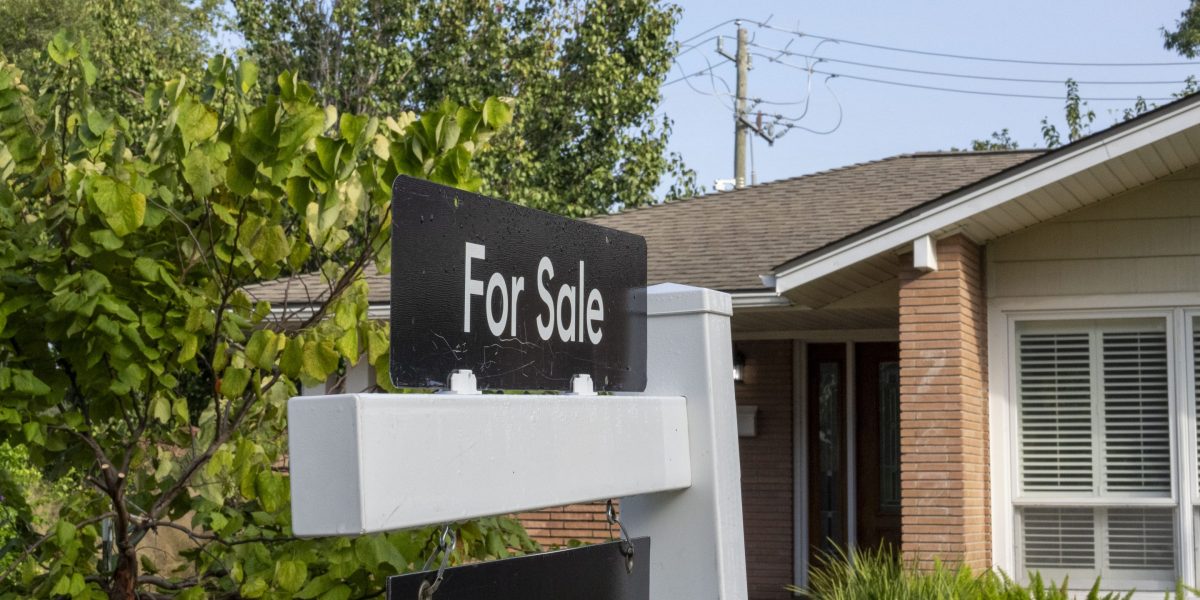
Under the legislation — Senate Bill 208 — a city or county could not deny a residential development strictly because it did not fit the “character” or “compatibility” of an adjacent neighborhood. This means if a developer proposes homes next to existing homes, local governments may be obligated to approve it, regardless of density or design concerns.
Sen. Stan McClain, the bill’s sponsor and a building contractor, argues the measure would eliminate obstacles that slow down homebuilding — and ultimately keep prices high. He says the goal is to strike back against unreasonable resistance from local boards that can derail projects even when surrounded by similar development.
Supporters Say It Will Speed Up Housing Approvals
Prominent pro‑business groups — including the Florida Chamber of Commerce, AARP, and Associated Industries of Florida — have supported the legislation. Developers say the measure could reduce delays, fees, and legal battles tied to compatibility disputes.
Edward Briggs of Highland Homes, a Central Florida builder, told lawmakers the bill is a step toward increasing attainable housing for Florida families, especially in infill areas already supported by existing infrastructure.
Opponents Warn of Power Loss and Community Impact
Local leaders, environmental advocates, and planning organizations strongly oppose the bill. Groups like the Florida League of Cities and 1,000 Friends of Florida argue that compatibility decisions are essential tools for managing growth responsibly.
Rebecca O’Hara of the League of Cities notes that while “compatibility” can be subjective, that subjectivity is precisely why local governments rely on public hearings, evidence, and planning reviews. The bill, she warns, would sideline these processes and force near-automatic approvals.
Bigger Questions Loom: Growth, Greenspace, and Florida’s Future
While the bill passed its first Senate committee unanimously, even supporters expressed caution. Sen. Kathleen Passidomo questioned whether Florida is prepared for the long‑term consequences of rapid, unchecked development — including the loss of greenspace and potentially uninterrupted corridors of construction across the state.
Sen. Jason Pizzo added that many local officials publicly support affordable housing but often reject developments that could actually supply it. He argues that state intervention may be necessary to break through political barriers that keep inventory low.
Why This Matters for Real Estate Professionals
If passed, this legislation could reshape approval timelines, land‑use patterns, and investment strategies across Florida. Real estate agents, brokers, developers, and property managers may experience faster development cycles and increased inventory — though with heightened community‑level debates over land use.
For professionals aiming to stay ahead of regulatory changes, ongoing education is essential. Institutions like Cameron Academy support Florida licensees by helping them stay compliant, informed, and prepared for shifts that directly affect the state’s real estate landscape.
Source and Further Reading
This article is based on reporting from the Florida Capital Bureau. You can read the full original story at the Tallahassee Democrat for additional context and updates.
More Articles
Getting licensed or staying ahead in your career can be a journey—but it doesn’t have to be overwhelming. Grab your favorite coffee or tea, take a moment to relax, and browse through our articles. Whether you’re just starting out or renewing your expertise, we’ve got tips, insights, and advice to keep you moving forward. Here’s to your success—one sip and one step at a time!
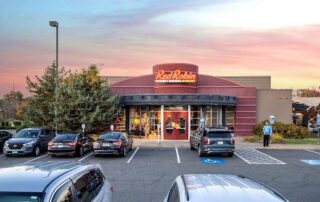
Newman Properties, a Massachusetts-based investment firm, has expanded its footprint into Connecticut with the $3.65 million acquisition of a 6,350‑square‑foot retail building in Enfield. Anchored by national restaurant chain Red Robin, the property offers the type of stable tenancy investors seek when entering new markets. The deal underscores growing confidence in anchored retail assets and provides a valuable real-world example for real estate professionals studying market analysis, investment strategy, and portfolio expansion.
JPMorgan now expects national home prices to flatten in 2026, but the Sunbelt is telling a very different story. Florida home values are down 5.1%, Texas is down 2.4%, and analysts warn that years of rapid building are finally catching up to the region. As demand stabilizes and inventory swells, real estate professionals — especially in Florida — face a market full of challenges, opportunities, and critical timing decisions.
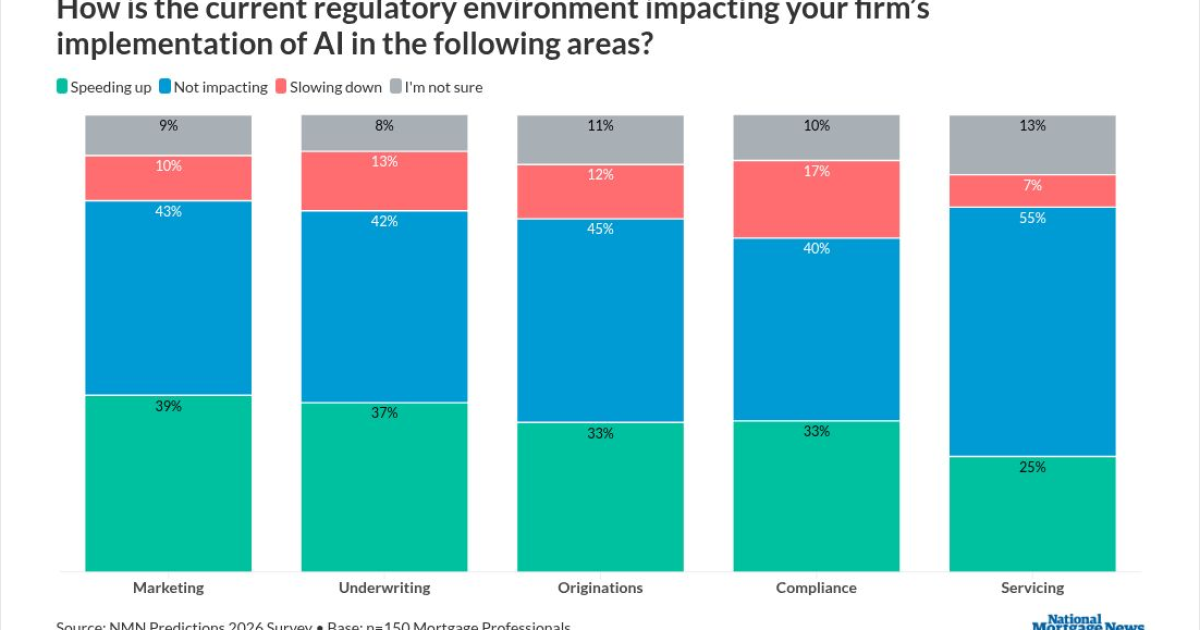
Artificial intelligence is finally stepping into the mortgage underwriting spotlight, with 57% of mortgage professionals predicting it will drive the most transformative industry shift in 2026. Thanks to major advancements in language models and workflow automation, AI is now capable of navigating the messy, document-heavy realities that have long slowed underwriting. From faster preapprovals to improved credit analysis and real‑time income verification, AI is streamlining processes while allowing underwriters to focus on true risk management. As regulatory winds shift and grassroots pressure builds within lending teams, the industry is entering a pivotal era where AI‑powered underwriting becomes not just an advantage — but an expectation.
Portland’s top 20 office towers have lost an unprecedented 70% of their value since 2019—plunging from $3 billion to under $1 billion—triggering tax revenue shortfalls, budget crises, and a surge in appeals as the city grapples with its biggest commercial real estate reset in modern history.
South Florida’s luxury real estate market just raised the bar again — this time with a $1 million virtual reality system that lets buyers walk through Dolce & Gabbana’s upcoming Miami tower long before construction wraps. Real estate master’s students were given an immersive look inside the project, discovering how VR is transforming high‑end development, influencing buyer psychology, and shaping the future skills today’s professionals need.
Long Island’s commercial real estate scene is kicking off 2026 with a surge of activity—industrial leases in Medford, neighborhood retail trades in Bohemia, Pizza Hut’s new DELCO expansion in Centereach, mixed‑use acquisitions in Melville, and major investor interest in bank‑leased and franchise-backed properties. From warehouses to restaurant rebrands, these deals highlight a region evolving fast and offering fresh opportunities for agents, investors, and professionals looking to stay ahead in the market.