Florida Lawmakers Move to Strip Local Governments of Power Over Housing Compatibility Rules
A New Power Shift Could Transform Florida’s Housing Landscape
A sweeping piece of legislation now advancing in the Florida Senate could dramatically reshape how new homes and communities are approved across the state. Lawmakers are pushing a bill that would prevent cities and counties from stopping residential development simply because it may be “incompatible” with surrounding neighborhoods — a term critics argue is far too vague to regulate effectively.
Supporters believe the proposed law is a crucial tool to accelerate homebuilding and address Florida’s ongoing housing affordability crisis. Opponents warn it could muzzle local voices, limit community oversight, and fast‑track developments residents never had a fair chance to weigh in on.
What the Bill Would Do
Under the legislation — Senate Bill 208 — a city or county could not deny a residential development strictly because it did not fit the “character” or “compatibility” of an adjacent neighborhood. This means if a developer proposes homes next to existing homes, local governments may be obligated to approve it, regardless of density or design concerns.
Sen. Stan McClain, the bill’s sponsor and a building contractor, argues the measure would eliminate obstacles that slow down homebuilding — and ultimately keep prices high. He says the goal is to strike back against unreasonable resistance from local boards that can derail projects even when surrounded by similar development.
Supporters Say It Will Speed Up Housing Approvals
Prominent pro‑business groups — including the Florida Chamber of Commerce, AARP, and Associated Industries of Florida — have supported the legislation. Developers say the measure could reduce delays, fees, and legal battles tied to compatibility disputes.
Edward Briggs of Highland Homes, a Central Florida builder, told lawmakers the bill is a step toward increasing attainable housing for Florida families, especially in infill areas already supported by existing infrastructure.
Opponents Warn of Power Loss and Community Impact
Local leaders, environmental advocates, and planning organizations strongly oppose the bill. Groups like the Florida League of Cities and 1,000 Friends of Florida argue that compatibility decisions are essential tools for managing growth responsibly.
Rebecca O’Hara of the League of Cities notes that while “compatibility” can be subjective, that subjectivity is precisely why local governments rely on public hearings, evidence, and planning reviews. The bill, she warns, would sideline these processes and force near-automatic approvals.
Bigger Questions Loom: Growth, Greenspace, and Florida’s Future
While the bill passed its first Senate committee unanimously, even supporters expressed caution. Sen. Kathleen Passidomo questioned whether Florida is prepared for the long‑term consequences of rapid, unchecked development — including the loss of greenspace and potentially uninterrupted corridors of construction across the state.
Sen. Jason Pizzo added that many local officials publicly support affordable housing but often reject developments that could actually supply it. He argues that state intervention may be necessary to break through political barriers that keep inventory low.
Why This Matters for Real Estate Professionals
If passed, this legislation could reshape approval timelines, land‑use patterns, and investment strategies across Florida. Real estate agents, brokers, developers, and property managers may experience faster development cycles and increased inventory — though with heightened community‑level debates over land use.
For professionals aiming to stay ahead of regulatory changes, ongoing education is essential. Institutions like Cameron Academy support Florida licensees by helping them stay compliant, informed, and prepared for shifts that directly affect the state’s real estate landscape.
Source and Further Reading
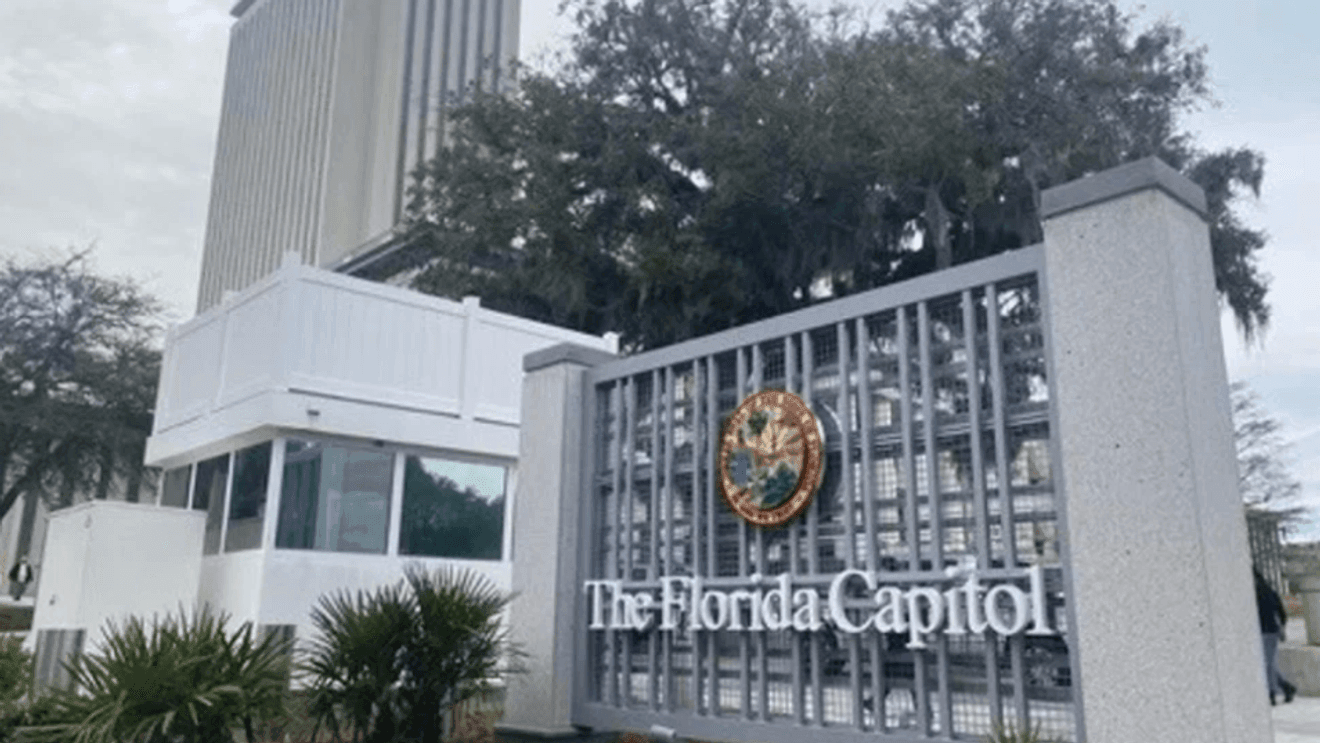
This article is based on reporting from the Florida Capital Bureau. You can read the full original story at the Tallahassee Democrat for additional context and updates.
More Articles
Getting licensed or staying ahead in your career can be a journey—but it doesn’t have to be overwhelming. Grab your favorite coffee or tea, take a moment to relax, and browse through our articles. Whether you’re just starting out or renewing your expertise, we’ve got tips, insights, and advice to keep you moving forward. Here’s to your success—one sip and one step at a time!
The title insurance industry is entering 2026 with a renewed focus on technology, operational efficiency, and stronger agent support after years of volatility. Leaders from major underwriters report rising transaction activity, improved affordability, and a surge in automation and fraud‑prevention tools—signs that smarter systems and better training will define the next wave of growth.
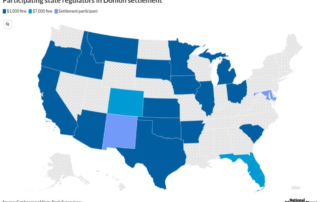
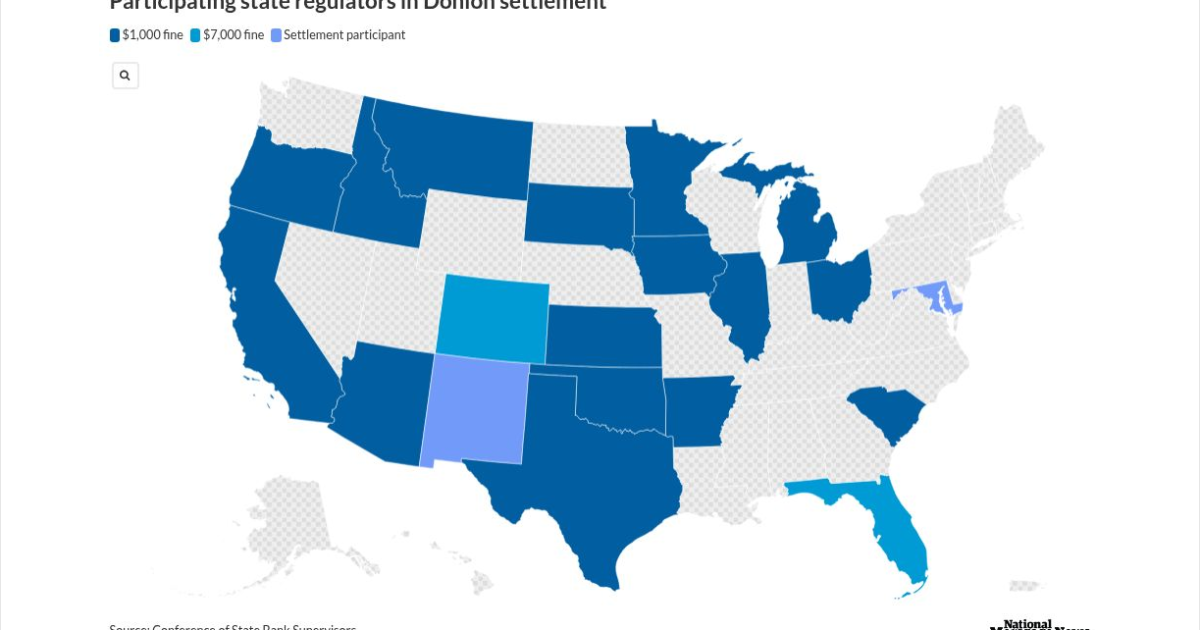
A multistate crackdown has sent shockwaves through the mortgage industry as Patrick Terrance Donlon, CEO of Trusted American Mortgage, accepted a sweeping settlement that bans him from working as a mortgage loan originator in 21 states—19 of them permanently. Regulators say Donlon had another individual complete his mandatory licensing and continuing‑education courses, a violation that triggered a coordinated investigation and a $31,000 penalty. The case underscores regulators’ growing intolerance for education fraud and serves as a sharp reminder to industry professionals: cutting corners on licensing can end careers.
Florida’s once‑booming housing market is cooling fast as rising insurance premiums, increasing foreclosures, and expanding flood zones push buyers to back out of deals and force sellers to cut prices. With insurance now adding thousands to annual housing costs, professionals across real estate, mortgage, and insurance are navigating a dramatically shifting landscape that’s redefining affordability in the Sunshine State.
Florida begins 2026 with a wave of more than 250 new laws now in effect, impacting healthcare, insurance, real estate, and consumer protections statewide. From free breast cancer screenings for state employees to tighter pet insurance regulations, mandatory healthcare refund rules, enhanced animal‑cruelty penalties, and new condo‑management requirements, these updates carry major implications for professionals navigating Florida’s evolving regulatory landscape.
Florida’s barrier islands may offer postcard-perfect beaches and soaring real estate demand, but they’re also some of the most fragile and costly places to build in the United States. With 765,000 residents living on land that shifts, sinks, and takes the brunt of every major hurricane, the financial and insurance risks are accelerating fast. From billion‑dollar beach rebuilds to towers settling into the sand, today’s coastal development challenges are reshaping conversations around property values, disclosure, and long‑term resilience. For real estate professionals, understanding these risks isn’t just smart — it’s becoming essential.
A Cedar City development is turning heads with its fresh approach to affordability. The team behind Temple View Commons is delivering luxury‑inspired twin homes at prices below the local median by using a small, hands‑on staff and cutting traditional costs like realtor commissions. In a tight Utah housing market where inventory is scarce and prices remain high, their strategy offers a realistic path to homeownership without sacrificing high‑end finishes.


 Title Insurance Leaders Double Down on Tech and Efficiency to Drive 2026 Market Momentum Gallery