Florida House Committee Sets Sights on Insurer Profit‑Shifting: What It Means for Homeowners and the Real Estate Market
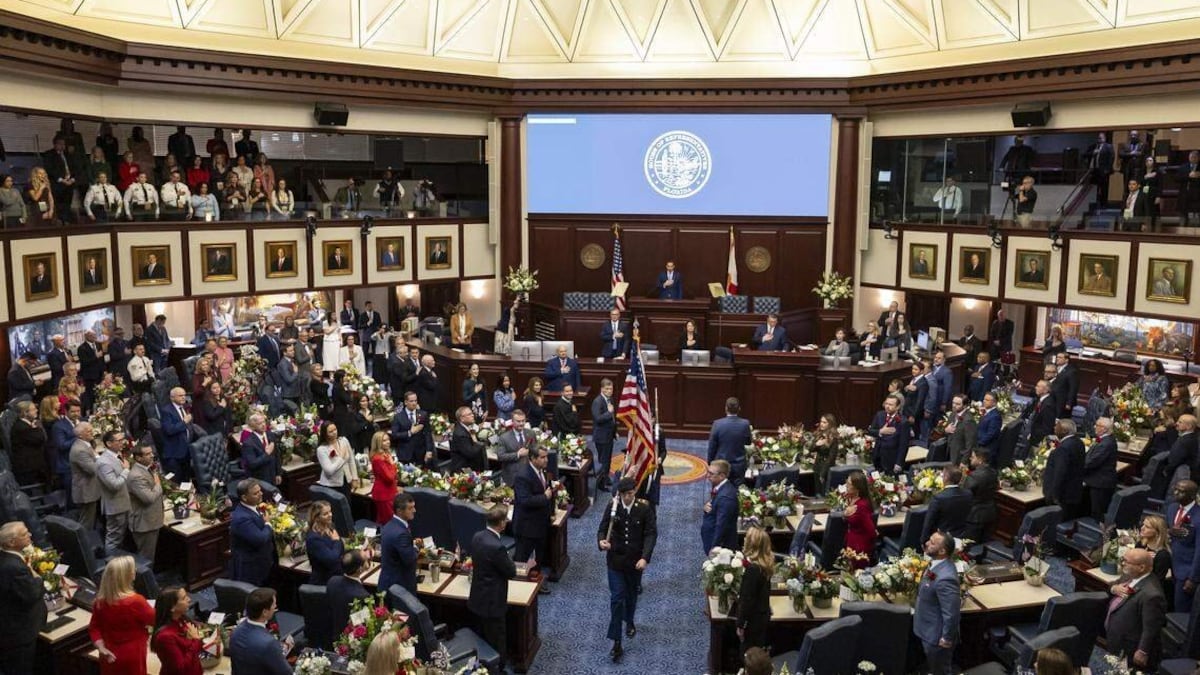
Florida’s insurance landscape is shifting once again — and this time, lawmakers are turning their attention to how property insurers move money between affiliated companies. A Florida House committee has advanced a new bill designed to police the practice, a move sparked in part by last year’s powerful investigative reporting from the Tampa Bay Times and Miami Herald.
As Florida homeowners continue grappling with soaring premiums and shrinking options, any new oversight could have ripple effects across the real estate market — particularly for buyers, investors, and professionals trying to navigate Florida’s already‑complex insurance environment.
Why Profit‑Shifting Matters
Insurance companies often work with “affiliates” — separate entities within the same corporate structure. These relationships can be harmless and sometimes even helpful, but investigative reporting revealed that some insurers may use affiliates to shift profits out of their regulated companies. This could allow the “main” insurer to appear less profitable, potentially justifying steep rate increases for homeowners.
The newly proposed bill aims to bring more transparency, more accountability, and clearer oversight to this practice — helping regulators finally understand where premium dollars are truly going.
Featured Source
For a deeper dive into the issue and the reporting that helped spark legislative action, explore the original article by Tampa Bay Times correspondent Lawrence Mower:
For Florida’s real estate agents, brokers, investors, and property managers, changes in insurance policy can shift the entire landscape almost overnight. A crackdown on profit‑shifting could bring more stability — or, depending on how insurers react, create a new set of challenges around pricing and availability.
This is precisely the kind of policy movement that professionals should track closely, especially those guiding buyers who may already be wary of Florida’s volatile insurance climate.
How Cameron Academy Helps Professionals Stay Ahead
At Cameron Academy, we train both new and seasoned professionals to navigate Florida’s rapidly evolving regulatory environment with confidence. Whether you’re pursuing your real estate license, renewing it, or expanding into fields such as mortgage or insurance, staying informed about legislative changes like this is absolutely essential.
Our courses emphasize practical, real‑world knowledge — the kind of information professionals need to adapt quickly when laws shift and markets react.
You Might Also Like
• How Florida’s Insurance Reforms Are Reshaping Property Investment
• What Homebuyers Need to Know About 2026 Insurance Market Changes
• New Rules Every Florida Real Estate Agent Should Watch for This Year
As this bill continues through the legislative process, Cameron Academy will keep professionals informed about how the final version may influence Florida’s housing market, insurance structure, and the day‑to‑day realities of closing a deal in the Sunshine State.
More Articles
Getting licensed or staying ahead in your career can be a journey—but it doesn’t have to be overwhelming. Grab your favorite coffee or tea, take a moment to relax, and browse through our articles. Whether you’re just starting out or renewing your expertise, we’ve got tips, insights, and advice to keep you moving forward. Here’s to your success—one sip and one step at a time!
Florida’s insurance market is under intense pressure as millions of residents and trillions in property wealth cluster along hurricane‑vulnerable coastlines. This article breaks down how decades of growth in high‑risk zones created today’s crisis, why traditional pricing models can’t keep up, and what real estate and insurance professionals must do to stay ahead. It offers actionable insights on underwriting, risk communication, policy partnerships, and resilience planning—critical knowledge for anyone advising Florida homeowners or navigating the state’s evolving insurance landscape.
Florida’s homeowners insurance market may have stabilized, but not in the way residents hoped. After years of runaway increases, premiums have stopped spiking—but they’re holding at painfully high levels. Coastal properties remain the hardest hit, with some policies topping $15,000 a year, while insurers continue demanding costly upgrades and resisting calls for transparency. For real estate professionals, understanding these pricing pressures is becoming essential as insurance costs increasingly shape buyer decisions across the state.
Florida homeowners face soaring premiums, shrinking insurer options, and storms that grow stronger each year. This article breaks down what hurricane insurance actually covers, how deductibles really work, why flood insurance is essential, and what professionals in real estate, mortgage, and insurance must understand to protect clients and properties before the next major storm hits.
Teresa King Kinney, one of the most influential executives in modern real estate, is retiring after 33 years as CEO of the MIAMI Association of Realtors. Under her leadership, the organization grew from 5,000 members to 60,000, became a global real estate powerhouse, and built the nation’s largest association‑owned MLS. As she transitions into CEO Emeritus, MIAMI prepares for a new era shaped by the foundation she spent decades building.
Miami’s commercial property market is heating up again, posting an 11% jump in investment volume for 2025. The surge is driven largely by a revitalized retail sector fueled by population growth, strong tourism, and new mixed‑use development. While office and industrial activity remains steady but softer, investor confidence is returning as Miami’s CRE landscape matures and buyers re‑enter the market with renewed interest in high‑traffic retail opportunities.
The Federal Reserve is preparing major changes to mortgage regulations in an effort to pull more mortgage activity back into the banking sector. With banks losing significant market share to nonbank lenders over the past decade, Fed Vice Chair for Supervision Michelle Bowman says new proposals may ease capital requirements and make mortgage servicing more attractive for banks. These shifts could have wide‑ranging effects on real estate professionals, lenders, and borrowers as the balance of power in the mortgage market begins to shift once again.