Florida Property Taxes Could Transform in 2026 — Here’s Why Homeowners and Local Leaders Are on Edge
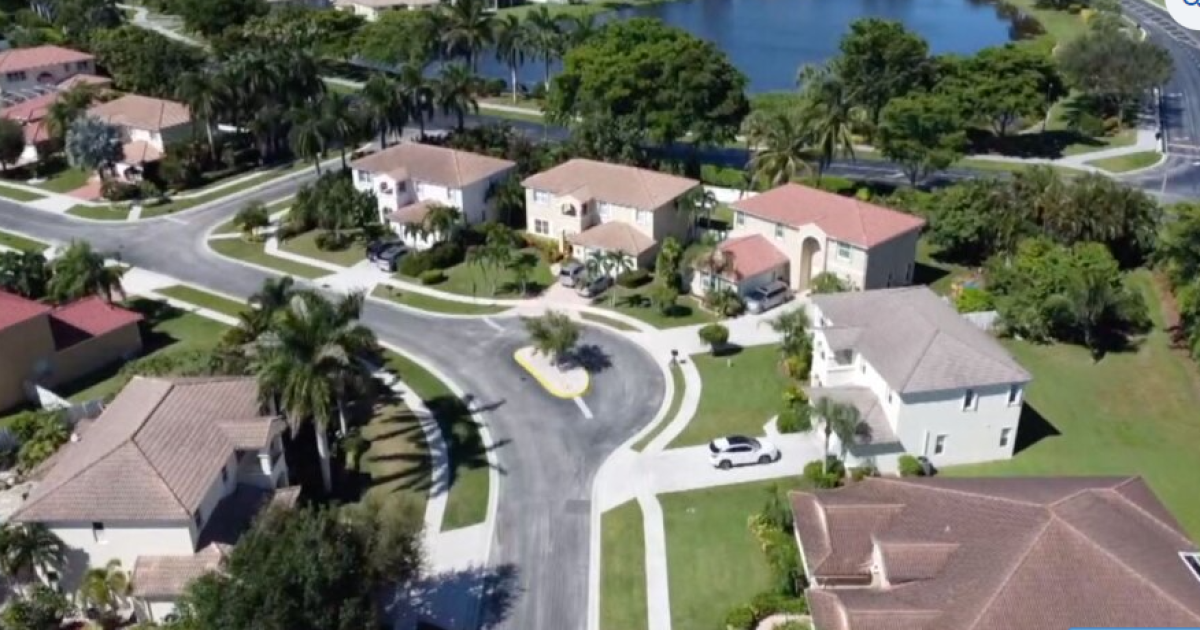
Florida may be on the verge of one of its largest tax shake‑ups in decades. State leaders, including Gov. Ron DeSantis and key lawmakers, are moving forward with proposals that could dramatically reduce — or even eliminate — property taxes beginning as early as 2026.
The momentum has been building since early 2025, but pressure around the issue has now reached a breaking point. Homeowners battling rising tax bills are optimistic. Meanwhile, local governments are sounding alarms about the potential impact on essential community services.
A Growing Movement to Cut Costs for Homeowners
Property taxes across Florida generate nearly $60 billion annually, prompting supporters of reform to argue the system needs a reset. Rep. Toby Overdorf, R‑Stuart, one of the most vocal proponents, said in an interview with WPTV that he believes local governments can still maintain service quality even with reduced revenue.
“I sincerely believe there is some opportunity now for a pullback of that revenue in local government and still receive the same services,” Overdorf said.
Many homeowners feel squeezed by rising taxes — especially those who moved expecting lower bills. That includes Alberto Vaccaro, who relocated from Palm Beach County to St. Lucie County.
“We moved … thinking that property taxes were going to be less and instead we were surprised,” Vaccaro told WPTV.
Local Governments Warn of Service Cuts
City and county officials across the state have expressed strong concerns. Many warn that removing property taxes could put public safety, emergency response, parks, and infrastructure at risk — all of which rely heavily on property tax dollars.
“The ability to ensure that we have police, fire and emergency services to get to our residents quickly would change,” said Chelsea Reed, Palm Beach Gardens Council member, in a March interview.
Some local leaders have been even more direct, including Lake Worth Beach Mayor Betty Resch.
“Do they want us to hold bake sales to make up the lack of funds?” Resch said to WPTV. “I just don’t understand where they think the money is going to come from.”
The Debate Intensifies as 2026 Nears
Tensions escalated further in December when Florida Chief Financial Officer Blaise Ingoglia accused Palm Beach County of overspending by $344 million. The accusation added fuel to an already heated statewide argument about financial responsibility and funding sources.
“Hopefully you understand that this number cannot stand,” Ingoglia said.
Palm Beach County strongly rejected the claim. County Administrator Joseph Abruzzo argued that the CFO’s statements were not supported by any official audit.
“This seems to be a speech and his personal opinion,” Abruzzo responded in a WPTV follow-up.
Whether property taxes will be reduced or abolished remains uncertain, but one thing is clear: 2026 could redefine Florida’s financial landscape. Both supporters and critics are gearing up for a major policy clash when the next legislative session begins.
What This Means for Real Estate Professionals
Shifts in property tax law carry enormous consequences for Florida real estate — from home affordability to municipal budgets to investor strategy. Industry professionals must stay informed and adaptable.
At Cameron Academy, we’re committed to helping agents, brokers, and future professionals stay ahead of major policy changes like these. Whether you’re pursuing your license or deepening your market expertise, staying educated is key as Florida approaches potentially historic tax reform.
Explore the complete original report and updates at WPTV.
More Articles
Getting licensed or staying ahead in your career can be a journey—but it doesn’t have to be overwhelming. Grab your favorite coffee or tea, take a moment to relax, and browse through our articles. Whether you’re just starting out or renewing your expertise, we’ve got tips, insights, and advice to keep you moving forward. Here’s to your success—one sip and one step at a time!
A new CNBC Fed Survey reveals that economists expect just two additional interest rate cuts in 2026 and none in 2027, even if President Donald Trump appoints a more dovish Federal Reserve chair. Strong economic growth, stable inflation, and reduced recession fears are keeping rate‑cut expectations limited, signaling a more stable long‑term environment for real estate, mortgage, and financial professionals.
A nationwide insurance crisis is accelerating as climate‑driven disasters push premiums higher, force insurers out of multiple states, and reshape real estate and mortgage markets. Once limited to Florida and California, the instability now threatens 15 states where losses, extreme weather, and insurer withdrawals are creating mounting risks for homeowners and industry professionals alike.
Commercial real estate is entering 2026 with a cautious but strategic shift. Companies are ditching oversized offices in favor of smaller, higher‑quality spaces packed with amenities that attract today’s workforce. Downtown markets like Portland remain steady, while suburban vacancies rise and landlords get creative with incentives. Industrial real estate is cooling after years of explosive growth, and developers are hesitating—though multifamily and hotel projects continue to push forward. Overall, the theme of the year is patience, as businesses wait for clearer signals on interest rates, construction costs, and long‑term workplace trends.
A new study from leading urban scholars reveals that zoning laws and construction slowdowns aren’t the true cause of America’s housing crisis. Even with massive building booms, rents would barely drop for decades. The real culprit? Soaring economic inequality. Until the widening wealth gap is addressed, policies like upzoning and deregulation won’t make housing affordable for working Americans—and may even push prices higher.
Cambio, a fast‑growing AI proptech company, has secured an $18 million Series A at a $100 million valuation, aiming to overhaul how commercial real estate firms process documents and make investment decisions. By converting messy PDFs, spreadsheets, and audit files into investor‑ready insights in minutes, the platform is rapidly expanding—now active in 35 countries and managing data for over 2 billion square feet of assets.
Florida’s insurance market is finally showing signs of real recovery heading into 2026. Industry leaders say recent legal reforms have sharply reduced lawsuits, allowing insurers to stabilize rates — and even introduce reductions for the first time in years. With new companies entering the state and solvency at its strongest level in more than a decade, real estate and mortgage professionals may benefit from improved buyer confidence and smoother closings as insurance becomes more predictable again.