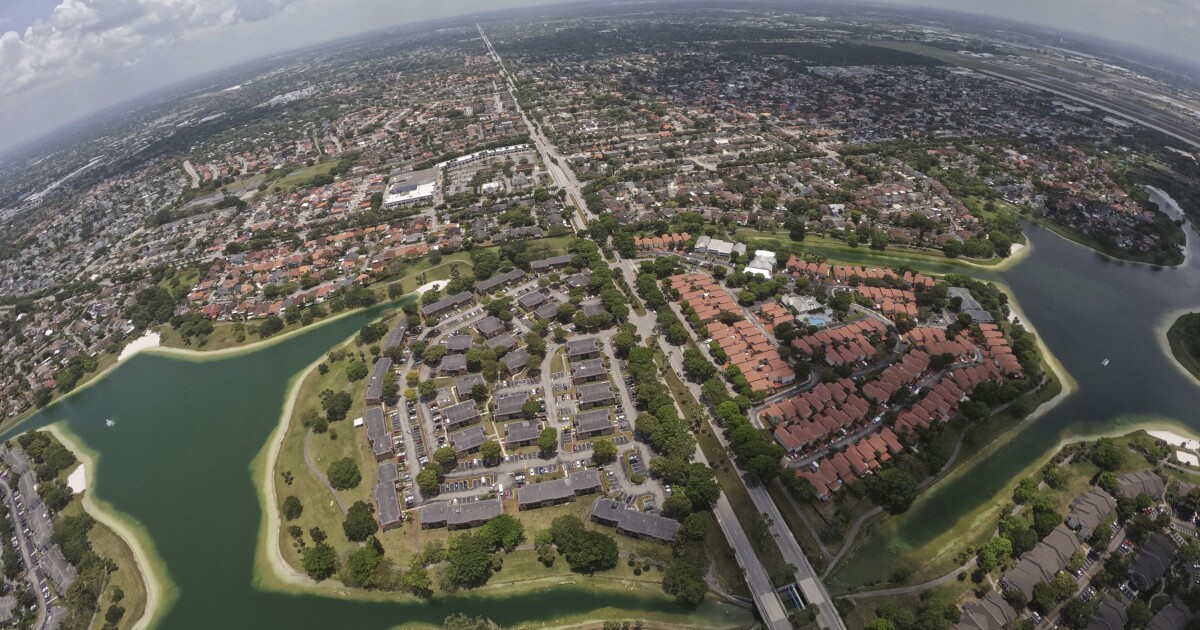
Florida Property Taxes Could Transform in 2026 — Here’s Why Homeowners and Local Leaders Are on Edge
Florida may be on the verge of one of its largest tax shake‑ups in decades. State leaders, including Gov. Ron DeSantis and key lawmakers, are moving forward with proposals that could dramatically reduce — or even eliminate — property taxes beginning as early as 2026.
The momentum has been building since early 2025, but pressure around the issue has now reached a breaking point. Homeowners battling rising tax bills are optimistic. Meanwhile, local governments are sounding alarms about the potential impact on essential community services.
A Growing Movement to Cut Costs for Homeowners
Property taxes across Florida generate nearly $60 billion annually, prompting supporters of reform to argue the system needs a reset. Rep. Toby Overdorf, R‑Stuart, one of the most vocal proponents, said in an interview with WPTV that he believes local governments can still maintain service quality even with reduced revenue.
“I sincerely believe there is some opportunity now for a pullback of that revenue in local government and still receive the same services,” Overdorf said.
Many homeowners feel squeezed by rising taxes — especially those who moved expecting lower bills. That includes Alberto Vaccaro, who relocated from Palm Beach County to St. Lucie County.
“We moved … thinking that property taxes were going to be less and instead we were surprised,” Vaccaro told WPTV.
Local Governments Warn of Service Cuts
City and county officials across the state have expressed strong concerns. Many warn that removing property taxes could put public safety, emergency response, parks, and infrastructure at risk — all of which rely heavily on property tax dollars.
“The ability to ensure that we have police, fire and emergency services to get to our residents quickly would change,” said Chelsea Reed, Palm Beach Gardens Council member, in a March interview.
Some local leaders have been even more direct, including Lake Worth Beach Mayor Betty Resch.
“Do they want us to hold bake sales to make up the lack of funds?” Resch said to WPTV. “I just don’t understand where they think the money is going to come from.”
The Debate Intensifies as 2026 Nears
Tensions escalated further in December when Florida Chief Financial Officer Blaise Ingoglia accused Palm Beach County of overspending by $344 million. The accusation added fuel to an already heated statewide argument about financial responsibility and funding sources.
“Hopefully you understand that this number cannot stand,” Ingoglia said.
Palm Beach County strongly rejected the claim. County Administrator Joseph Abruzzo argued that the CFO’s statements were not supported by any official audit.
“This seems to be a speech and his personal opinion,” Abruzzo responded in a WPTV follow-up.
Whether property taxes will be reduced or abolished remains uncertain, but one thing is clear: 2026 could redefine Florida’s financial landscape. Both supporters and critics are gearing up for a major policy clash when the next legislative session begins.
What This Means for Real Estate Professionals
Shifts in property tax law carry enormous consequences for Florida real estate — from home affordability to municipal budgets to investor strategy. Industry professionals must stay informed and adaptable.
At Cameron Academy, we’re committed to helping agents, brokers, and future professionals stay ahead of major policy changes like these. Whether you’re pursuing your license or deepening your market expertise, staying educated is key as Florida approaches potentially historic tax reform.
Explore the complete original report and updates at WPTV.
More Articles
Getting licensed or staying ahead in your career can be a journey—but it doesn’t have to be overwhelming. Grab your favorite coffee or tea, take a moment to relax, and browse through our articles. Whether you’re just starting out or renewing your expertise, we’ve got tips, insights, and advice to keep you moving forward. Here’s to your success—one sip and one step at a time!
Artificial intelligence is rapidly reshaping the mortgage industry, boosting productivity, reducing manual work, and accelerating loan closings. From automated document data extraction to AI‑generated underwriting narratives and predictive analytics, lenders are using new tools that improve accuracy and drastically speed up processing times. With chatbots, next‑gen point‑of‑sale systems, and end‑to‑end automation, preapprovals that once took days now take minutes. For mortgage and real estate professionals, mastering AI is becoming a major competitive advantage—one that defines who will thrive in the future of lending.
Florida’s property insurance rates are finally starting to drop, but many homeowners are still seeing higher monthly bills. The reason isn’t insurer price hikes—it’s soaring replacement costs driven by construction inflation, labor shortages, and rising home values. Nearly 75 percent of recent premium increases came from higher property values alone. Understanding this gap between “rates” and “premiums” helps homeowners—and real estate and insurance professionals—navigate the shifting Florida market and make smarter coverage decisions.
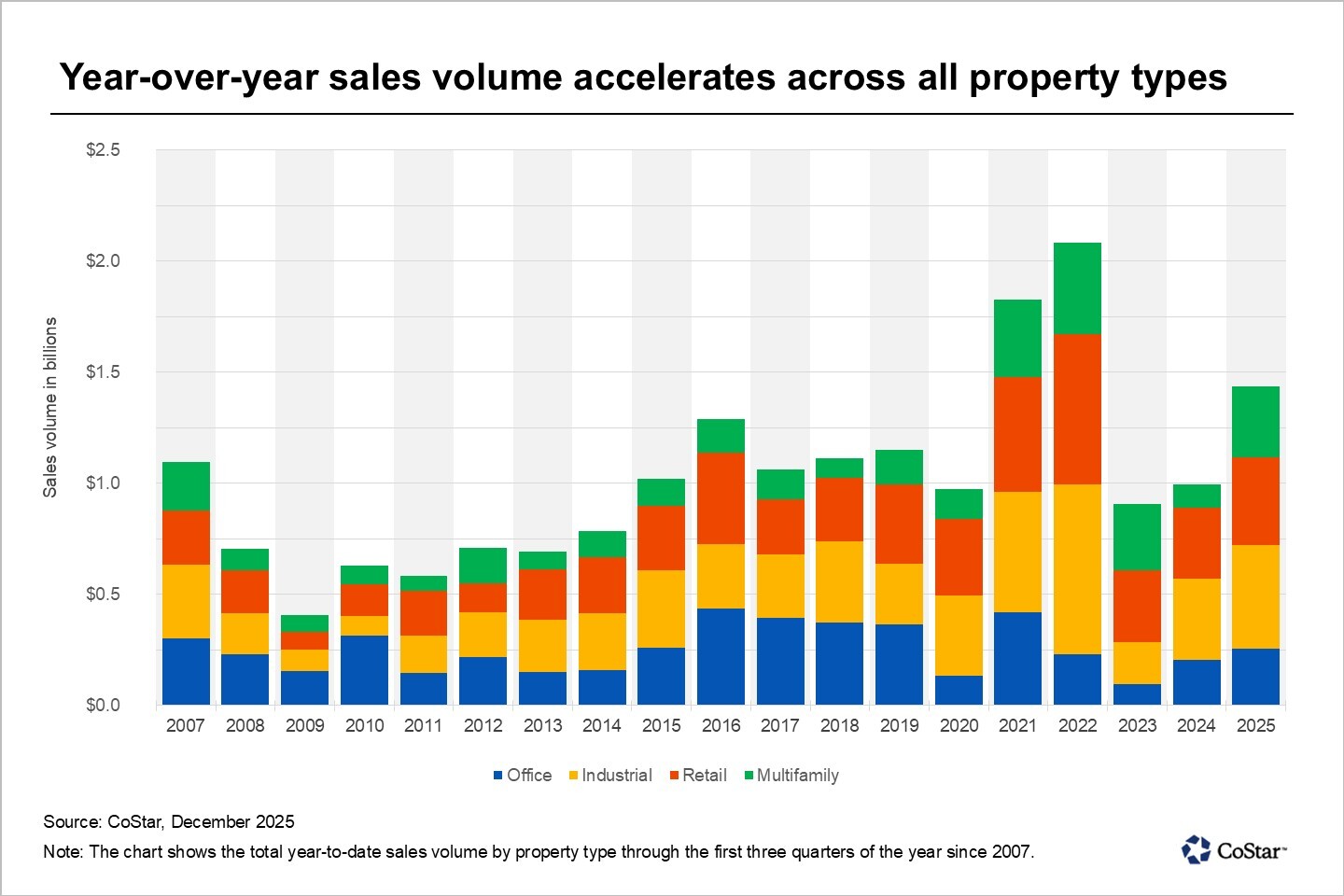
Milwaukee’s commercial real estate market is finally showing real signs of recovery, with 2025 sales volume hitting a three‑year high and investor confidence steadily returning. Driven by selective, fundamentals‑focused buying—favoring strong cash flow, quality assets, and strategic pricing—the city is moving from a period of correction into a healthier, opportunity‑rich phase. For real estate professionals nationwide, Milwaukee’s momentum reflects broader CRE market stabilization and the growing importance of disciplined underwriting and market expertise.
Industry leaders project a major surge in reverse mortgage activity heading into 2026, fueled by rising proprietary products, lender innovation, and strong investor interest. As high interest rates push originators to adopt new strategies, flexible private‑label options, senior‑focused HELOCs, and a wave of big‑capital investment are reshaping the market. With education and policy shifts poised to unlock even more demand, reverse mortgages are entering their most transformative era yet.
Experts forecast that 2026 may bring long‑awaited relief to homebuyers, with both existing and new home inventory expected to rise. NAR predicts a boost in home sales, a slight drop in mortgage rates, and a modest 4% increase in prices—conditions that could motivate more homeowners to list while builders add over a million new homes to the market. For first‑time buyers, higher loan limits and easing qualification standards may make entering the market more achievable than in recent years.
South Florida enters 2026 with renewed optimism as falling mortgage rates, improving buyer confidence, and a strong job market help stabilize a housing landscape that struggled in 2025—especially in the condo sector. While single-family homes remained resilient last year, condos faced price drops, rising fees, and hesitation tied to new safety regulations. With rates projected to fall to around 5.8% by year’s end, buying power is increasing, inventory may loosen, and activity is expected to pick up. Still, affordability challenges persist, Miami’s rental market remains intensely competitive, and the condo sector’s recovery will take time.

 The Mortgage Industry’s AI Transformation: Automation Reshapes Lending From Application to Approval Gallery