Florida Property Taxes Could Transform in 2026 — Here’s Why Homeowners and Local Leaders Are on Edge
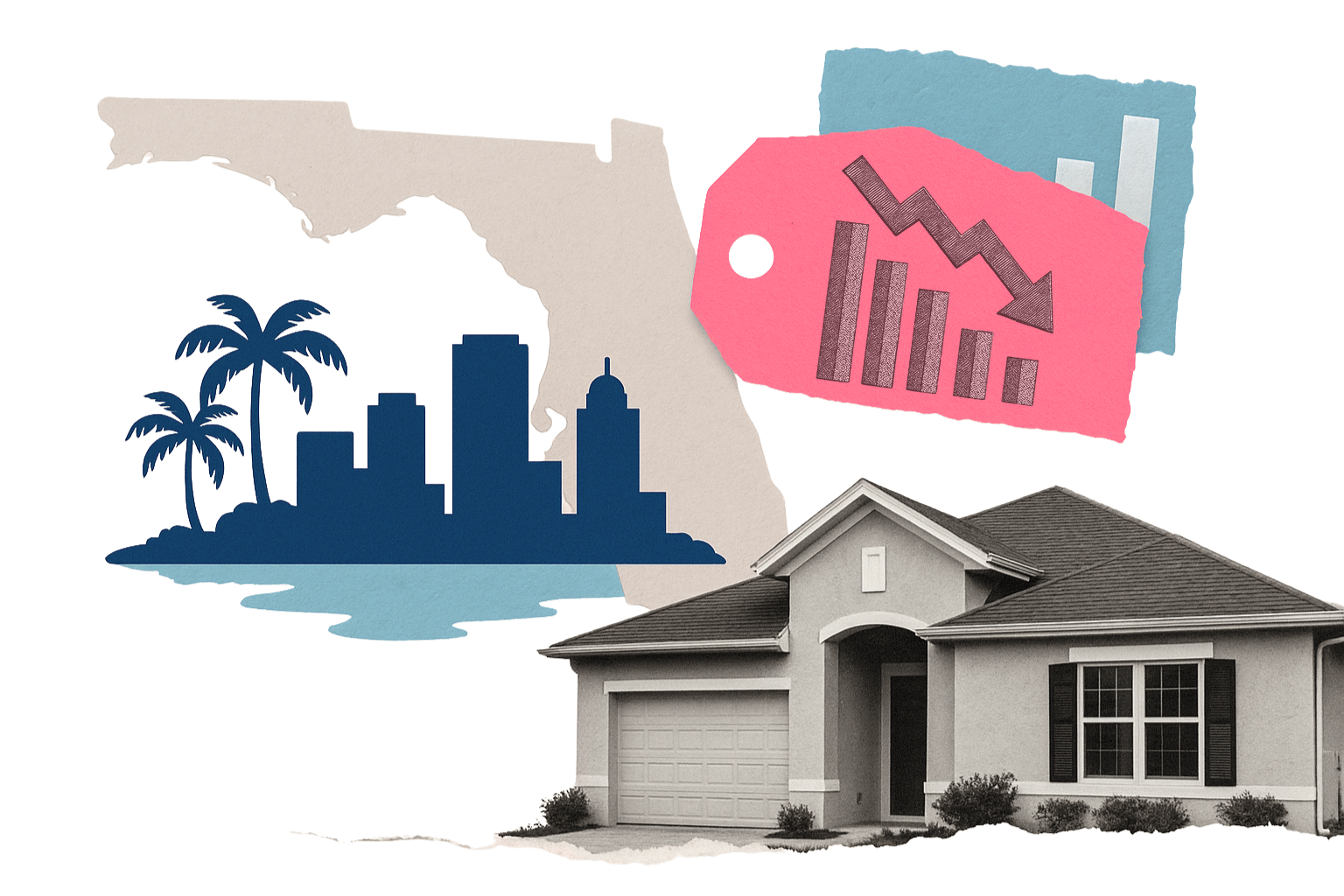
Florida may be on the verge of one of its largest tax shake‑ups in decades. State leaders, including Gov. Ron DeSantis and key lawmakers, are moving forward with proposals that could dramatically reduce — or even eliminate — property taxes beginning as early as 2026.
The momentum has been building since early 2025, but pressure around the issue has now reached a breaking point. Homeowners battling rising tax bills are optimistic. Meanwhile, local governments are sounding alarms about the potential impact on essential community services.
A Growing Movement to Cut Costs for Homeowners
Property taxes across Florida generate nearly $60 billion annually, prompting supporters of reform to argue the system needs a reset. Rep. Toby Overdorf, R‑Stuart, one of the most vocal proponents, said in an interview with WPTV that he believes local governments can still maintain service quality even with reduced revenue.
“I sincerely believe there is some opportunity now for a pullback of that revenue in local government and still receive the same services,” Overdorf said.
Many homeowners feel squeezed by rising taxes — especially those who moved expecting lower bills. That includes Alberto Vaccaro, who relocated from Palm Beach County to St. Lucie County.
“We moved … thinking that property taxes were going to be less and instead we were surprised,” Vaccaro told WPTV.
Local Governments Warn of Service Cuts
City and county officials across the state have expressed strong concerns. Many warn that removing property taxes could put public safety, emergency response, parks, and infrastructure at risk — all of which rely heavily on property tax dollars.
“The ability to ensure that we have police, fire and emergency services to get to our residents quickly would change,” said Chelsea Reed, Palm Beach Gardens Council member, in a March interview.
Some local leaders have been even more direct, including Lake Worth Beach Mayor Betty Resch.
“Do they want us to hold bake sales to make up the lack of funds?” Resch said to WPTV. “I just don’t understand where they think the money is going to come from.”
The Debate Intensifies as 2026 Nears
Tensions escalated further in December when Florida Chief Financial Officer Blaise Ingoglia accused Palm Beach County of overspending by $344 million. The accusation added fuel to an already heated statewide argument about financial responsibility and funding sources.
“Hopefully you understand that this number cannot stand,” Ingoglia said.
Palm Beach County strongly rejected the claim. County Administrator Joseph Abruzzo argued that the CFO’s statements were not supported by any official audit.
“This seems to be a speech and his personal opinion,” Abruzzo responded in a WPTV follow-up.
Whether property taxes will be reduced or abolished remains uncertain, but one thing is clear: 2026 could redefine Florida’s financial landscape. Both supporters and critics are gearing up for a major policy clash when the next legislative session begins.
What This Means for Real Estate Professionals
Shifts in property tax law carry enormous consequences for Florida real estate — from home affordability to municipal budgets to investor strategy. Industry professionals must stay informed and adaptable.
At Cameron Academy, we’re committed to helping agents, brokers, and future professionals stay ahead of major policy changes like these. Whether you’re pursuing your license or deepening your market expertise, staying educated is key as Florida approaches potentially historic tax reform.
Explore the complete original report and updates at WPTV.
More Articles
Getting licensed or staying ahead in your career can be a journey—but it doesn’t have to be overwhelming. Grab your favorite coffee or tea, take a moment to relax, and browse through our articles. Whether you’re just starting out or renewing your expertise, we’ve got tips, insights, and advice to keep you moving forward. Here’s to your success—one sip and one step at a time!
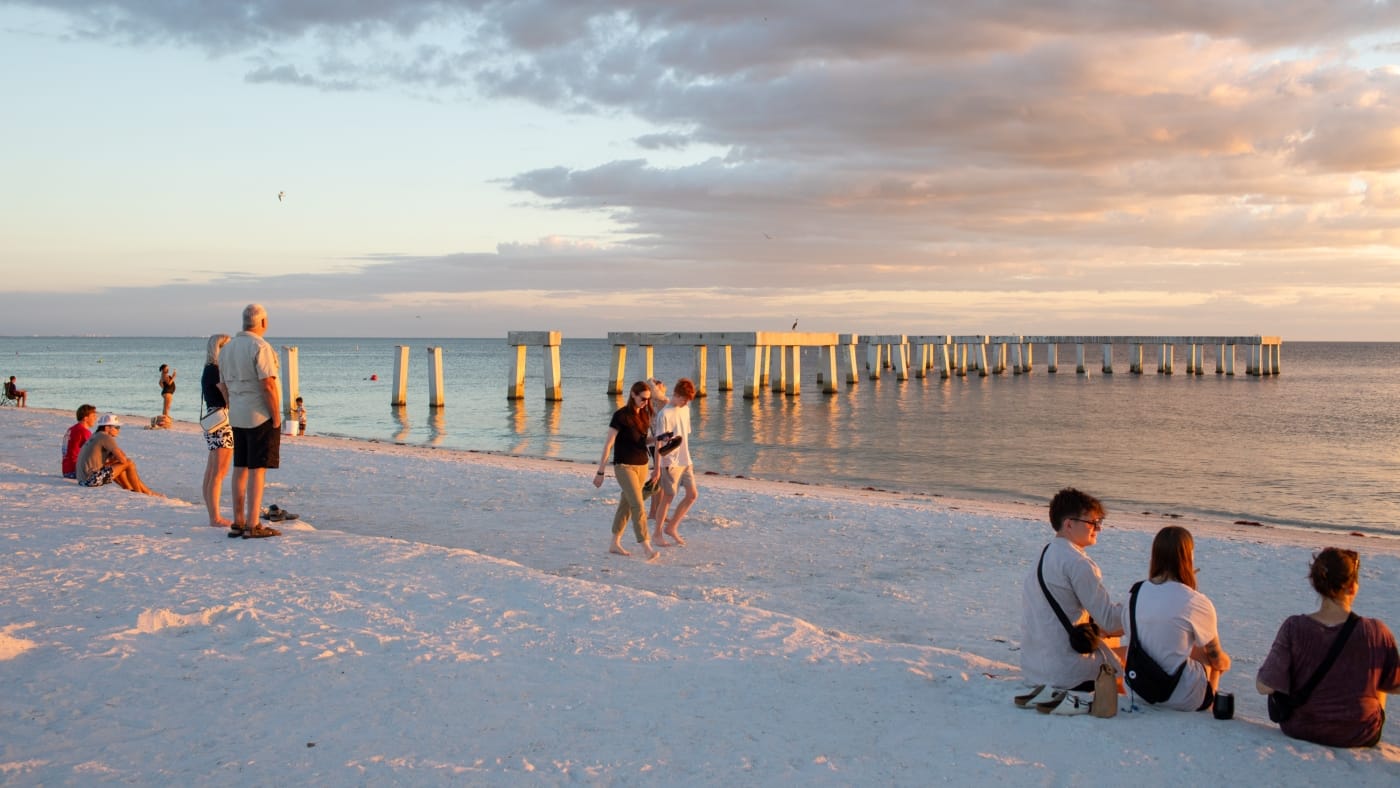
Fort Myers Beach is becoming the front line of a new Florida—one shaped by hurricane devastation, soaring insurance premiums, and rapid gentrification. Three years after Hurricane Ian, residents are still battling massive rebuilding costs and insurance bills that now exceed $5,700 a year on average, with flood insurance reaching $10,000 for some families. Long-time locals, small businesses, and service workers are being priced out as wealthy investors move in, transforming once-affordable coastal communities. Real estate professionals warn that foreclosures may rise if economic pressures continue, signaling a pivotal moment for Florida’s housing market and the professionals who serve it.
Economic uncertainty, AI disruption, slowing population growth, and rising portfolio risk are reshaping commercial real estate heading into 2026. A new report unveiled at NAR NXT highlights the forces that will reward informed professionals — and challenge those who aren’t prepared. From fiscal policy and shifting capital flows to tech transformation and housing shortages, the landscape is evolving fast. Cameron Academy breaks down the key issues so real estate, mortgage, finance, and insurance professionals can stay ahead of the curve.
A sudden federal shutdown of FEMA’s BRIC resiliency program has left cities and commercial property owners scrambling, exposing billions in real estate to rising climate threats. With nearly a billion dollars in mitigation funding clawed back and extreme weather intensifying, insurance premiums are expected to surge and coverage may shrink — placing new pressure on markets like Florida and New York.
A new Florida Senate bill aims to stop cities and counties from blocking residential developments over vague “compatibility” concerns. Supporters say the measure would speed up homebuilding and ease housing shortages, while opponents argue it strips communities of essential oversight and could accelerate growth without proper planning. The proposal could reshape development timelines and land-use decisions statewide, making it a major issue for real estate professionals to watch.
Cape Coral–Fort Myers has officially moved into buyer-friendly territory, with homes now sitting a median 119 days on the market—far longer than both the Florida and U.S. averages. Rising inventory, a 36.9 percent price‑reduction rate, and slower absorption compared to accumulated supply are giving buyers more leverage and time to negotiate, signaling a meaningful reset in this once‑fast‑moving Florida market.
Kansas City’s commercial real estate sector is finally turning a corner after several years of sluggish activity. Retail is leading the rebound, while multifamily and industrial properties are gaining traction as pricing stabilizes and buyer confidence returns. A standout 2025 transaction—the sale of the 380‑unit Cyan Southcreek community—signals that capital is flowing back into the market. With bid‑ask spreads tightening and investor optimism rising, Kansas City is entering a period of renewed opportunity for real estate professionals and investors alike.

 Florida’s Middle Class Is Being Squeezed Out: Insurance Costs, Rebuilding Struggles, and a Changing Coastline Gallery