Florida Moves to Ban AI‑Only Insurance Claim Denials: What Professionals Need to Know
A bold proposal by South Florida Rep. Hillary Cassell is gaining momentum in Tallahassee, aiming to rebuild trust in Florida’s insurance landscape by preventing companies from issuing claim denials based solely on artificial intelligence. The bill—already clearing the House Subcommittee on Banking and Insurance—has quickly become one of the most discussed consumer‑protection measures of the year.
The Push for Accountability
Cassell underscored that her plan revolves around one core principle: restoring confidence for policyholders who fear that major financial decisions about their homes might be made without human oversight.
“The legislation is about accountability and restoring confidence for policyholders,” she told lawmakers, highlighting growing concerns surrounding AI‑driven claim denials—especially in hurricane‑vulnerable regions where a single insurance decision can affect entire neighborhoods.
Real Stories from New Florida Residents
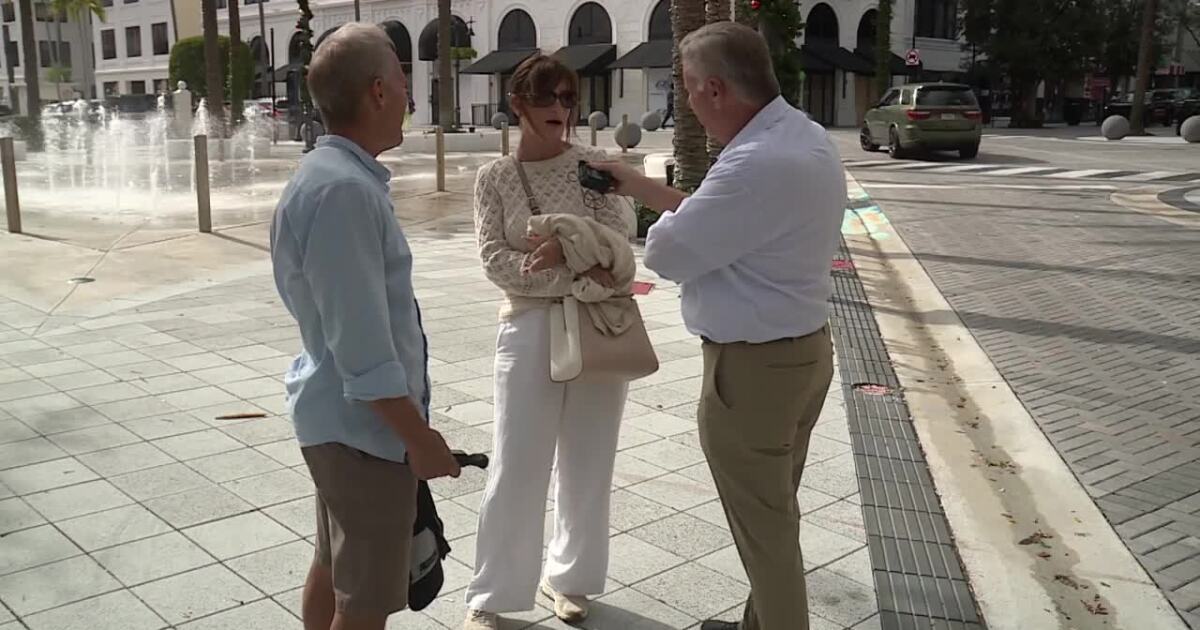
Gary and Tracy, newcomers to Florida, shared their candid thoughts in an interview with WPTV News Channel 5.
“I definitely agree with that. I think it takes the human element out. There’s not that emotion involved,” Tracy said.
Their view reflects a rising sentiment among Floridians: while AI can offer speed and precision, it shouldn’t have the final say in high‑stakes insurance decisions.
Experts Say AI Is Changing the Industry Fast
During an insurance summit in Orlando, Charles Nice, a professor at Florida State University, issued an important warning: the speed at which AI is influencing insurance cannot be ignored.
“I think these kinds of technology and what we do and how we deliver our product is going to be vastly different,” he said.
While insurers acknowledge AI’s long‑term value, some argue the legislation could slow the claims process for consumers who expect rapid results.
“We have concerns that HB 527 imposes some requirements that could limit the use of AI in claims handling, reducing efficiency and speed,” industry representatives cautioned.
Why This Matters for Real Estate and Insurance Professionals
For professionals who rely on Cameron Academy for licensing, continuing education, and market insights, this bill represents a growing trend: AI regulation is becoming a core knowledge area for insurance and real estate experts alike. These rules directly influence how adjusters handle claims, how agents guide clients, and how homeowners make crucial decisions.
With Florida operating one of the nation’s most complex insurance markets, staying informed isn’t just recommended—it’s a career advantage. That’s why institutions like Cameron Academy continue providing practical, industry‑relevant education to help professionals thrive in a rapidly evolving landscape.
What Happens Next
The bill now proceeds through Florida’s legislative process, where discussions will intensify over the balance between consumer protection and the operational efficiencies produced by AI‑driven technologies. More testimonies and revisions are expected as the proposal moves toward a full vote.
For extended coverage and the original reporting, explore the full feature by WPTV News Channel 5:
Getting licensed or staying ahead in your career can be a journey—but it doesn’t have to be overwhelming. Grab your favorite coffee or tea, take a moment to relax, and browse through our articles. Whether you’re just starting out or renewing your expertise, we’ve got tips, insights, and advice to keep you moving forward. Here’s to your success—one sip and one step at a time!
The latest MBA survey shows overall mortgage applications dipping 1.4% during the holiday week, even as purchase activity rose on a seasonally adjusted basis. Refinances cooled despite lower rates, which averaged 6.32% for a 30‑year fixed. Rising ARMs and shifting buyer behavior highlight a market still trying to stabilize amid softening economic indicators.
October delivered the first year‑over‑year slowdown in commercial real estate deals in nearly two years, signaling a growing disconnect between buyers and sellers as elevated rates and policy uncertainty reshape pricing expectations. While multifamily cooled and office assets traded at steep discounts, hotels and adaptive‑reuse projects stood out as rare bright spots. For professionals across real estate, mortgage, and finance, the shifting landscape underscores the need for sharper analysis and continued education heading into 2026.
The US workers’ compensation market is bracing for a pivotal year in 2026 as medical inflation, rising claim complexity, and tightening state regulations push costs higher for insurers and employers. With cumulative trauma injuries increasing and states expanding presumption laws—especially for first responders and healthcare workers—underwriting strategies are being forced to evolve. At the same time, technology like predictive analytics and workplace wearables is reshaping loss prevention, while more organizations turn to captives and hybrid programs to manage volatility.
Over the past 25 years, Florida Realtors has transformed from a simple support desk into one of the most influential tech ecosystems in real estate. Through member‑driven tools like Tech Helpline, Form Simplicity and the new Sabal Sign platform, the association has built a stable, fully integrated system used by agents across the U.S. and Canada. Free from outside investors and focused entirely on member needs, Florida Realtors has quietly become a tech powerhouse—proving that long-term vision, not venture capital, is what truly drives innovation in the industry.
Massachusetts is poised for a major shift in home‑sale transparency as Gov. Maura Healey pushes for mandatory flood disclosures — a change that could impact buyers, sellers, and real estate professionals statewide. With worsening climate conditions and growing flood damage in communities like Winthrop and Salem, the proposal aims to ensure buyers understand a property’s true risk before they commit. The move has wide support from insurers and municipalities, while the real estate industry remains split over its potential impact on the state’s long‑standing “buyer beware” culture.
Florida’s long‑troubled property insurance market is finally showing early signs of recovery. Thanks to recent legislative reforms that reduced litigation and attracted new insurers, some homeowners are even seeing their premiums drop. These improvements are boosting consumer confidence and creating new opportunities for real estate, mortgage, and insurance professionals across the state.