Florida Moves to Ban AI‑Only Insurance Claim Denials: What Professionals Need to Know
A bold proposal by South Florida Rep. Hillary Cassell is gaining momentum in Tallahassee, aiming to rebuild trust in Florida’s insurance landscape by preventing companies from issuing claim denials based solely on artificial intelligence. The bill—already clearing the House Subcommittee on Banking and Insurance—has quickly become one of the most discussed consumer‑protection measures of the year.
The Push for Accountability
Cassell underscored that her plan revolves around one core principle: restoring confidence for policyholders who fear that major financial decisions about their homes might be made without human oversight.
“The legislation is about accountability and restoring confidence for policyholders,” she told lawmakers, highlighting growing concerns surrounding AI‑driven claim denials—especially in hurricane‑vulnerable regions where a single insurance decision can affect entire neighborhoods.
Real Stories from New Florida Residents
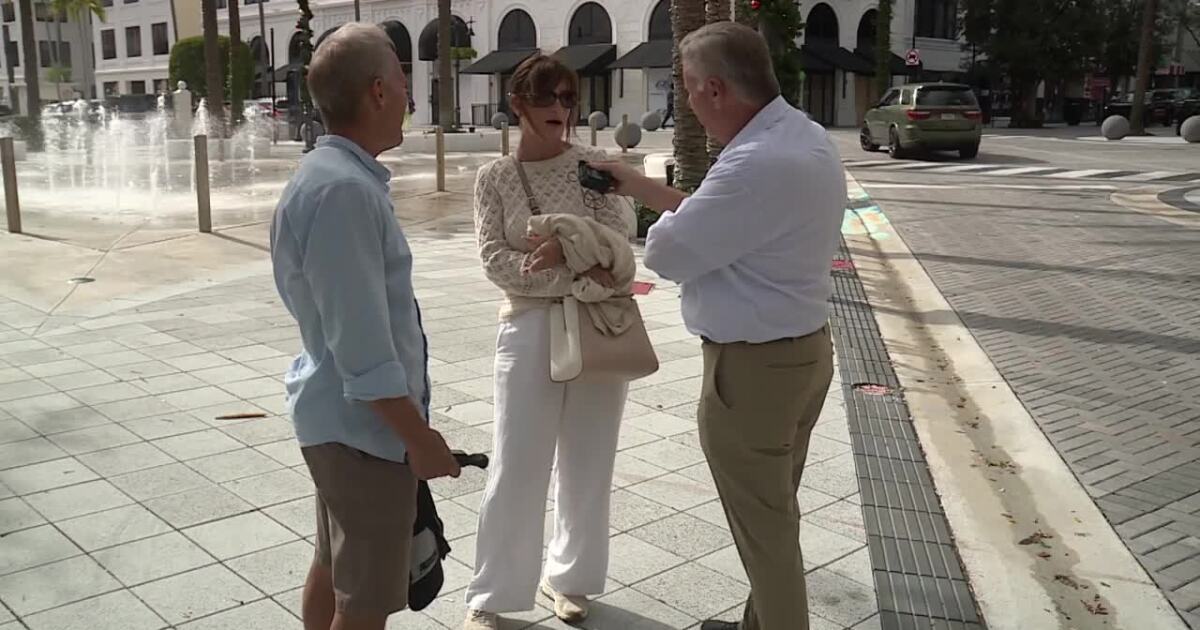
Gary and Tracy, newcomers to Florida, shared their candid thoughts in an interview with WPTV News Channel 5.
“I definitely agree with that. I think it takes the human element out. There’s not that emotion involved,” Tracy said.
Their view reflects a rising sentiment among Floridians: while AI can offer speed and precision, it shouldn’t have the final say in high‑stakes insurance decisions.
Experts Say AI Is Changing the Industry Fast
During an insurance summit in Orlando, Charles Nice, a professor at Florida State University, issued an important warning: the speed at which AI is influencing insurance cannot be ignored.
“I think these kinds of technology and what we do and how we deliver our product is going to be vastly different,” he said.
While insurers acknowledge AI’s long‑term value, some argue the legislation could slow the claims process for consumers who expect rapid results.
“We have concerns that HB 527 imposes some requirements that could limit the use of AI in claims handling, reducing efficiency and speed,” industry representatives cautioned.
Why This Matters for Real Estate and Insurance Professionals
For professionals who rely on Cameron Academy for licensing, continuing education, and market insights, this bill represents a growing trend: AI regulation is becoming a core knowledge area for insurance and real estate experts alike. These rules directly influence how adjusters handle claims, how agents guide clients, and how homeowners make crucial decisions.
With Florida operating one of the nation’s most complex insurance markets, staying informed isn’t just recommended—it’s a career advantage. That’s why institutions like Cameron Academy continue providing practical, industry‑relevant education to help professionals thrive in a rapidly evolving landscape.
What Happens Next
The bill now proceeds through Florida’s legislative process, where discussions will intensify over the balance between consumer protection and the operational efficiencies produced by AI‑driven technologies. More testimonies and revisions are expected as the proposal moves toward a full vote.
For extended coverage and the original reporting, explore the full feature by WPTV News Channel 5:
Getting licensed or staying ahead in your career can be a journey—but it doesn’t have to be overwhelming. Grab your favorite coffee or tea, take a moment to relax, and browse through our articles. Whether you’re just starting out or renewing your expertise, we’ve got tips, insights, and advice to keep you moving forward. Here’s to your success—one sip and one step at a time!
New data from the U.S. Bureau of Labor Statistics reveals major pay gaps across industries as we head into 2025. While top roles in finance, tech, and healthcare exceed $130,000 to $160,000 a year, other professions lag far behind—even when education levels are similar. Job titles, location, experience, and specialized skills are now some of the biggest factors shaping how much you earn. If you’ve been wondering whether your paycheck is keeping up with the market, this breakdown shows exactly where you stand and what it takes to boost your earning power.
A cooling housing market is giving buyers something they haven’t had in years: room to breathe. With slower sales, more inventory, and less pressure to make snap decisions, homebuyer regret has noticeably declined in 2025. Buyers are feeling more confident thanks to fewer bidding wars, reduced overpaying, and stronger financial preparation—though maintenance surprises still pose challenges. This shift toward a true buyer’s market offers real estate professionals a prime opportunity to guide clients with clarity and confidence.
This week’s commercial real estate roundup unpacks the lingering economic fallout from the 43‑day federal shutdown, new pressures on major office markets, and the rise of STEM‑driven cities reshaping demand nationwide. With fresh Q3 data from Altus showing stronger‑than‑expected transaction momentum, plus updates on Chicago’s valuation slide and national mortgage policy debates, this edition delivers the essential trends CRE, mortgage, finance, and appraisal professionals need to stay ahead.
ATTOM has been named Inman’s 2025 Best of Proptech winner, earning top recognition for its leadership in data and intelligence platforms. With advancements like Snowflake integration, ATTOM Nexus, and enhanced parcel‑centric analytics, the company is shaping the future of AI‑driven real estate decision‑making. This win highlights ATTOM’s growing role as a trusted data backbone for real estate, mortgage, insurance, and investment professionals nationwide.
A new report reveals that Florida’s property insurance market is far from recovering. Despite political claims of stabilization, homeowners are seeing premiums up 54% since 2019, widespread insurer instability, and some companies re‑entering the market under rebranded identities. With high rates of unpaid claims, delayed payouts, and policy non‑renewals, lawmakers are now pushing for transparency and oversight. For homeowners and industry professionals alike, understanding these risks is critical as Florida’s insurance challenges continue to deepen.
Despite new insurers entering the state and lawmakers touting market improvements, a new report reveals Florida’s property insurance system is still plagued by high premiums, weak oversight, and companies with troubled histories. Rates have climbed 54% since 2019, nearly one‑fifth of homeowners are now uninsured, and Florida leads the nation in unpaid and delayed claims. Critics warn that the state’s strategy of shifting risk to undercapitalized private companies may set the stage for another crisis — leaving homeowners, buyers, and real estate professionals navigating a market that’s far from stable.