Florida Moves to Ban AI‑Only Insurance Claim Denials: What Professionals Need to Know
A bold proposal by South Florida Rep. Hillary Cassell is gaining momentum in Tallahassee, aiming to rebuild trust in Florida’s insurance landscape by preventing companies from issuing claim denials based solely on artificial intelligence. The bill—already clearing the House Subcommittee on Banking and Insurance—has quickly become one of the most discussed consumer‑protection measures of the year.
The Push for Accountability
Cassell underscored that her plan revolves around one core principle: restoring confidence for policyholders who fear that major financial decisions about their homes might be made without human oversight.
“The legislation is about accountability and restoring confidence for policyholders,” she told lawmakers, highlighting growing concerns surrounding AI‑driven claim denials—especially in hurricane‑vulnerable regions where a single insurance decision can affect entire neighborhoods.
Real Stories from New Florida Residents
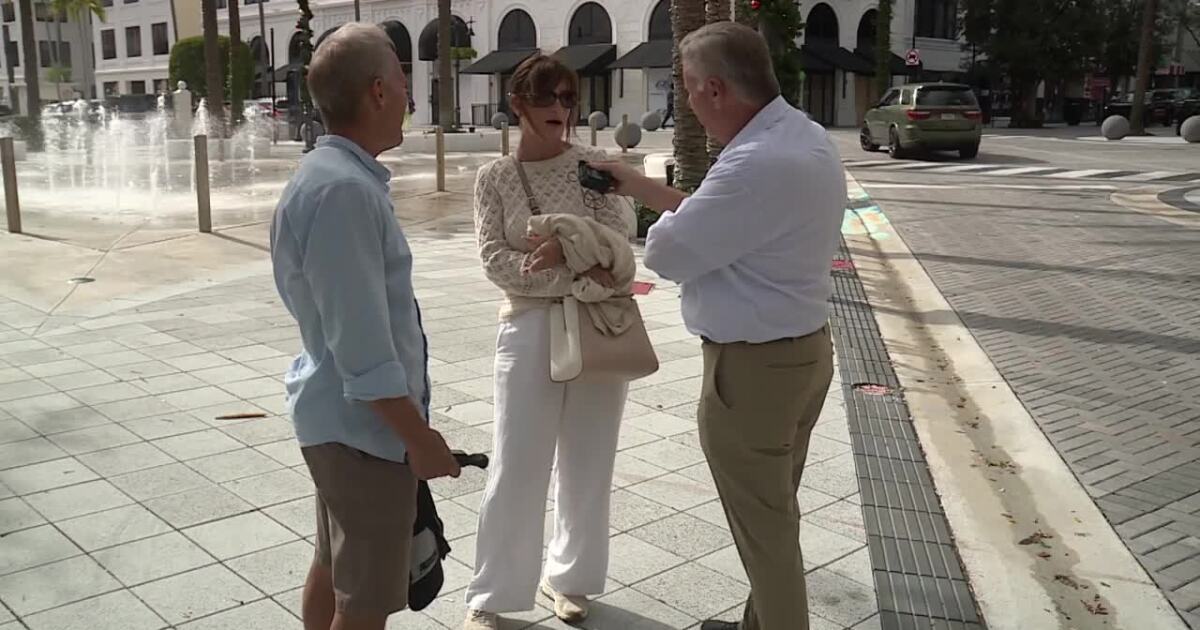
Gary and Tracy, newcomers to Florida, shared their candid thoughts in an interview with WPTV News Channel 5.
“I definitely agree with that. I think it takes the human element out. There’s not that emotion involved,” Tracy said.
Their view reflects a rising sentiment among Floridians: while AI can offer speed and precision, it shouldn’t have the final say in high‑stakes insurance decisions.
Experts Say AI Is Changing the Industry Fast
During an insurance summit in Orlando, Charles Nice, a professor at Florida State University, issued an important warning: the speed at which AI is influencing insurance cannot be ignored.
“I think these kinds of technology and what we do and how we deliver our product is going to be vastly different,” he said.
While insurers acknowledge AI’s long‑term value, some argue the legislation could slow the claims process for consumers who expect rapid results.
“We have concerns that HB 527 imposes some requirements that could limit the use of AI in claims handling, reducing efficiency and speed,” industry representatives cautioned.
Why This Matters for Real Estate and Insurance Professionals
For professionals who rely on Cameron Academy for licensing, continuing education, and market insights, this bill represents a growing trend: AI regulation is becoming a core knowledge area for insurance and real estate experts alike. These rules directly influence how adjusters handle claims, how agents guide clients, and how homeowners make crucial decisions.
With Florida operating one of the nation’s most complex insurance markets, staying informed isn’t just recommended—it’s a career advantage. That’s why institutions like Cameron Academy continue providing practical, industry‑relevant education to help professionals thrive in a rapidly evolving landscape.
What Happens Next
The bill now proceeds through Florida’s legislative process, where discussions will intensify over the balance between consumer protection and the operational efficiencies produced by AI‑driven technologies. More testimonies and revisions are expected as the proposal moves toward a full vote.
For extended coverage and the original reporting, explore the full feature by WPTV News Channel 5:
Getting licensed or staying ahead in your career can be a journey—but it doesn’t have to be overwhelming. Grab your favorite coffee or tea, take a moment to relax, and browse through our articles. Whether you’re just starting out or renewing your expertise, we’ve got tips, insights, and advice to keep you moving forward. Here’s to your success—one sip and one step at a time!
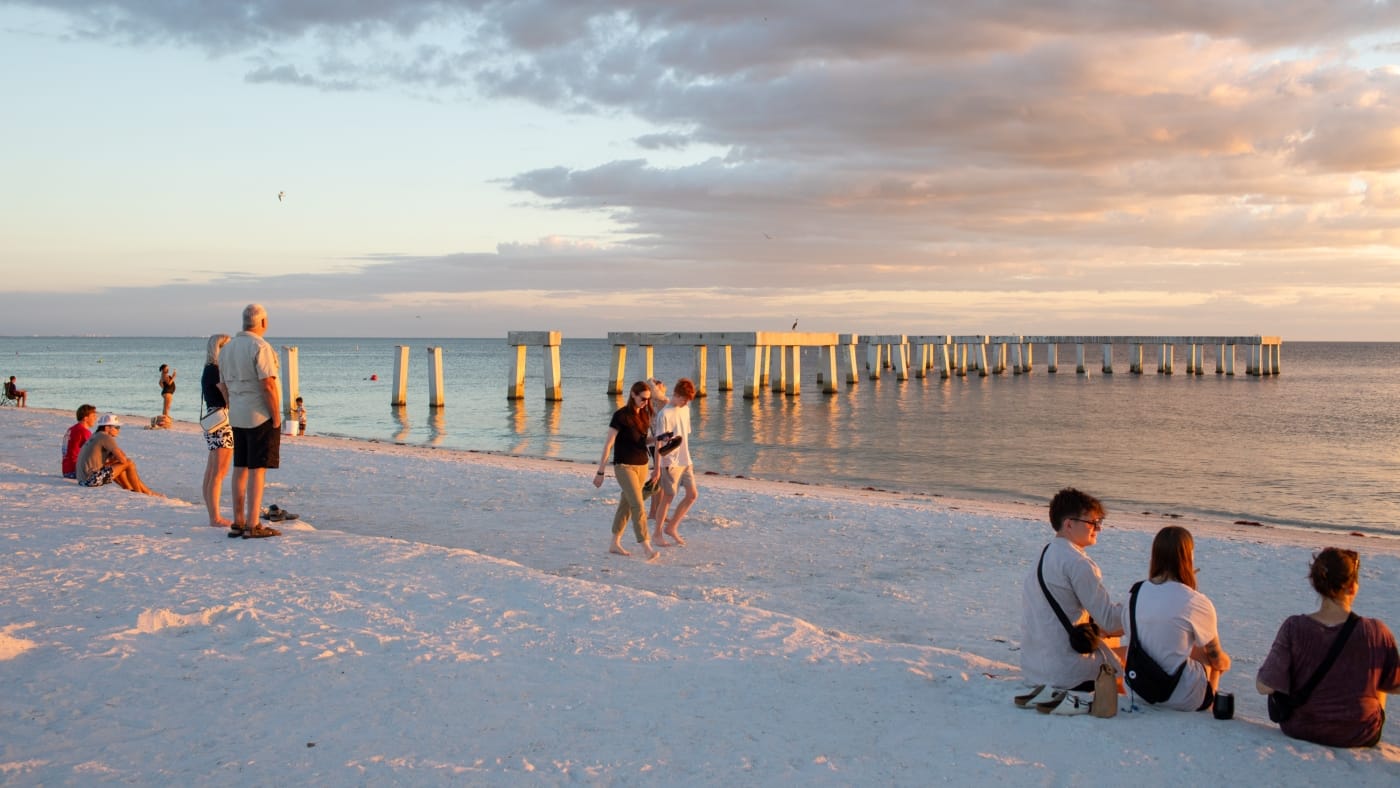
Fort Myers Beach is becoming the front line of a new Florida—one shaped by hurricane devastation, soaring insurance premiums, and rapid gentrification. Three years after Hurricane Ian, residents are still battling massive rebuilding costs and insurance bills that now exceed $5,700 a year on average, with flood insurance reaching $10,000 for some families. Long-time locals, small businesses, and service workers are being priced out as wealthy investors move in, transforming once-affordable coastal communities. Real estate professionals warn that foreclosures may rise if economic pressures continue, signaling a pivotal moment for Florida’s housing market and the professionals who serve it.
Economic uncertainty, AI disruption, slowing population growth, and rising portfolio risk are reshaping commercial real estate heading into 2026. A new report unveiled at NAR NXT highlights the forces that will reward informed professionals — and challenge those who aren’t prepared. From fiscal policy and shifting capital flows to tech transformation and housing shortages, the landscape is evolving fast. Cameron Academy breaks down the key issues so real estate, mortgage, finance, and insurance professionals can stay ahead of the curve.
A sudden federal shutdown of FEMA’s BRIC resiliency program has left cities and commercial property owners scrambling, exposing billions in real estate to rising climate threats. With nearly a billion dollars in mitigation funding clawed back and extreme weather intensifying, insurance premiums are expected to surge and coverage may shrink — placing new pressure on markets like Florida and New York.
A new Florida Senate bill aims to stop cities and counties from blocking residential developments over vague “compatibility” concerns. Supporters say the measure would speed up homebuilding and ease housing shortages, while opponents argue it strips communities of essential oversight and could accelerate growth without proper planning. The proposal could reshape development timelines and land-use decisions statewide, making it a major issue for real estate professionals to watch.
Cape Coral–Fort Myers has officially moved into buyer-friendly territory, with homes now sitting a median 119 days on the market—far longer than both the Florida and U.S. averages. Rising inventory, a 36.9 percent price‑reduction rate, and slower absorption compared to accumulated supply are giving buyers more leverage and time to negotiate, signaling a meaningful reset in this once‑fast‑moving Florida market.
Kansas City’s commercial real estate sector is finally turning a corner after several years of sluggish activity. Retail is leading the rebound, while multifamily and industrial properties are gaining traction as pricing stabilizes and buyer confidence returns. A standout 2025 transaction—the sale of the 380‑unit Cyan Southcreek community—signals that capital is flowing back into the market. With bid‑ask spreads tightening and investor optimism rising, Kansas City is entering a period of renewed opportunity for real estate professionals and investors alike.

 Florida’s Middle Class Is Being Squeezed Out: Insurance Costs, Rebuilding Struggles, and a Changing Coastline Gallery