Florida Real Estate’s Winter Shake-Up: What’s Cooling, What’s Heating Up, and What Professionals Should Watch
Florida’s real estate landscape continues shifting as we close out 2025, and this week’s updates bring a powerful mix of legislation, market cooling, insurance challenges, education expansions, and new housing initiatives statewide. Whether you’re a seasoned pro, an investor, or a student beginning your journey through Cameron Academy, this roundup gives you a sharp look at the forces shaping your field.
Insurance Commissioner Pushes for Responsible AI Use
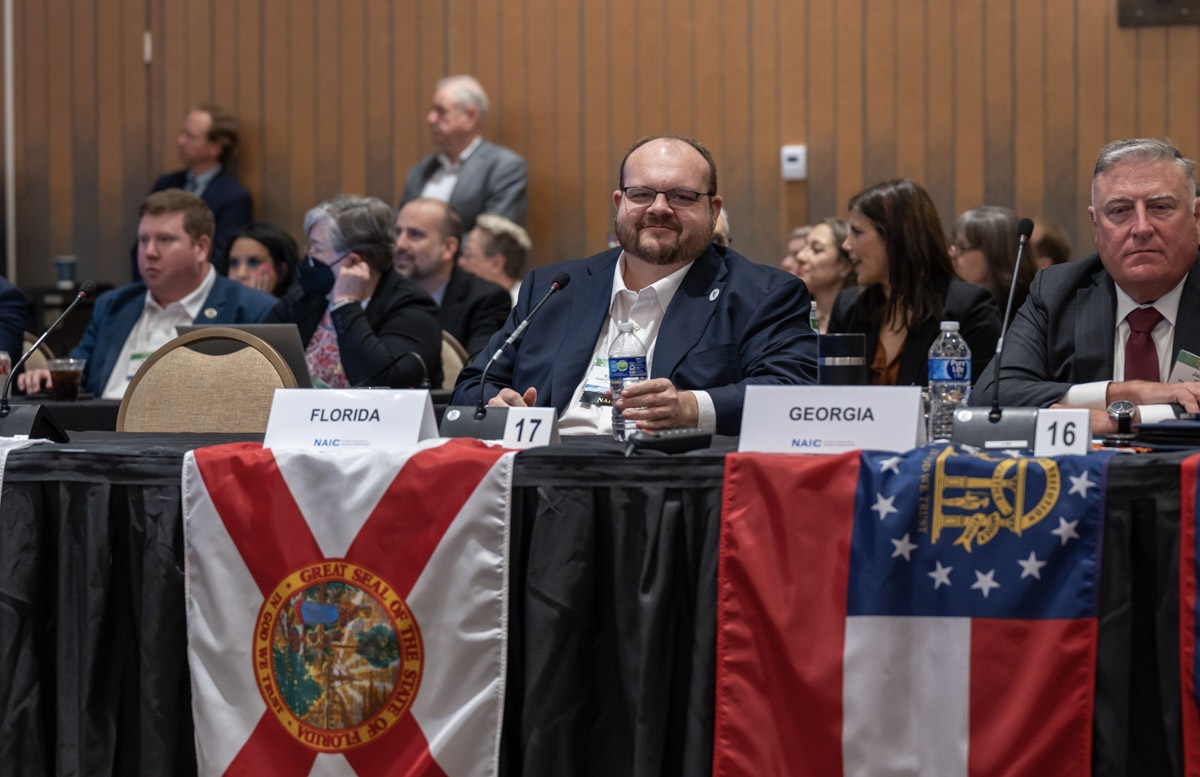
Artificial intelligence is rapidly becoming standard across the insurance world, but Florida Insurance Commissioner Michael Yaworsky is urging lawmakers to ensure companies use it responsibly. Addressing the Senate Banking and Insurance Committee, he emphasized oversight as insurers increasingly rely on AI for underwriting, risk assessment, and customer management.
His message? Innovation is welcome—recklessness is not. Read more from the News Service of Florida.
2026 Real Estate Predictions: A Market Thaw Ahead?
After a frozen 2025 marked by low inventory, elevated prices, and stubborn mortgage rates, analysts predict a possible rebalance in 2026. First‑time buyer participation hit historic lows, with the median buyer age rising to a record 40. If interest rates ease and inventory climbs, buyers may finally feel momentum shift their way.
ADU Bill Could Transform Florida’s Housing Options
A new bill moving through the Senate could require all local governments to allow accessory dwelling units (ADUs) in single‑family zones. These include garage apartments, backyard cottages, and in‑law suites. Senate Bill 48 aims to expand flexibility and improve affordability by widening housing options statewide.
Insurance Premiums Surge in Catastrophe-Prone Regions
Florida remains an outlier as rising catastrophe risks drive home insurance premiums higher. Monroe County leads with an average of $9,400 per year, followed by Broward at $6,865. Coastal communities shoulder the heaviest burden, underscoring the value of strong risk‑management training for professionals.
Southwest Florida Sees Steepest Home Price Dips in the Nation
Cooling demand, rising inventory, and stabilizing insurance rates are pushing Southwest Florida into a price correction. Four of the ten “coolest” U.S. markets now fall within this region, according to the latest Cotality analysis.
1,001 sellers in Central Florida have reduced their home prices—averaging 3.4% cuts. Buyers are finally regaining negotiating power.
Trending Across Florida
Miami Housing Finally Cools
The Case‑Shiller Index shows South Florida home prices dipping year‑over‑year for the first time since 2011. The decline is small—around 1%—but symbolically powerful for one of the nation’s hottest markets.
The University of South Florida’s Muma College of Business plans to launch a new Master of Science in Real Estate by 2027. Student interest is already strong following the success of their undergraduate minor.
If you’re preparing to enter the industry before grad school, Cameron Academy remains one of Florida’s most trusted places to earn your real estate license quickly, affordably, and fully online.
Veteran Housing Expands in Collier County
Warrior Homes of Collier has announced a 10‑unit community designed to house 20 veterans. The nearly $3 million renovation project is supported by PulteGroup, with construction beginning mid‑December.
Over 41% of homebuilders dropped prices in November—the highest rate in five years. Yet many remain optimistic for a stronger 2026, anticipating more demand and more stable costs. Professionals with strong market‑analysis skills may find unique opportunities rising.
As Florida navigates a dynamic and transformative era, one thing is certain: Cameron Academy is here to support your growth with the knowledge, clarity, and credentials you need to thrive in today’s evolving professional landscape.
More Articles
Getting licensed or staying ahead in your career can be a journey—but it doesn’t have to be overwhelming. Grab your favorite coffee or tea, take a moment to relax, and browse through our articles. Whether you’re just starting out or renewing your expertise, we’ve got tips, insights, and advice to keep you moving forward. Here’s to your success—one sip and one step at a time!
Florida’s insurance market is under intense pressure as millions of residents and trillions in property wealth cluster along hurricane‑vulnerable coastlines. This article breaks down how decades of growth in high‑risk zones created today’s crisis, why traditional pricing models can’t keep up, and what real estate and insurance professionals must do to stay ahead. It offers actionable insights on underwriting, risk communication, policy partnerships, and resilience planning—critical knowledge for anyone advising Florida homeowners or navigating the state’s evolving insurance landscape.
Florida’s homeowners insurance market may have stabilized, but not in the way residents hoped. After years of runaway increases, premiums have stopped spiking—but they’re holding at painfully high levels. Coastal properties remain the hardest hit, with some policies topping $15,000 a year, while insurers continue demanding costly upgrades and resisting calls for transparency. For real estate professionals, understanding these pricing pressures is becoming essential as insurance costs increasingly shape buyer decisions across the state.
Florida homeowners face soaring premiums, shrinking insurer options, and storms that grow stronger each year. This article breaks down what hurricane insurance actually covers, how deductibles really work, why flood insurance is essential, and what professionals in real estate, mortgage, and insurance must understand to protect clients and properties before the next major storm hits.
Teresa King Kinney, one of the most influential executives in modern real estate, is retiring after 33 years as CEO of the MIAMI Association of Realtors. Under her leadership, the organization grew from 5,000 members to 60,000, became a global real estate powerhouse, and built the nation’s largest association‑owned MLS. As she transitions into CEO Emeritus, MIAMI prepares for a new era shaped by the foundation she spent decades building.
Miami’s commercial property market is heating up again, posting an 11% jump in investment volume for 2025. The surge is driven largely by a revitalized retail sector fueled by population growth, strong tourism, and new mixed‑use development. While office and industrial activity remains steady but softer, investor confidence is returning as Miami’s CRE landscape matures and buyers re‑enter the market with renewed interest in high‑traffic retail opportunities.
The Federal Reserve is preparing major changes to mortgage regulations in an effort to pull more mortgage activity back into the banking sector. With banks losing significant market share to nonbank lenders over the past decade, Fed Vice Chair for Supervision Michelle Bowman says new proposals may ease capital requirements and make mortgage servicing more attractive for banks. These shifts could have wide‑ranging effects on real estate professionals, lenders, and borrowers as the balance of power in the mortgage market begins to shift once again.