Florida Real Estate’s Winter Shake-Up: What’s Cooling, What’s Heating Up, and What Professionals Should Watch
Florida’s real estate landscape continues shifting as we close out 2025, and this week’s updates bring a powerful mix of legislation, market cooling, insurance challenges, education expansions, and new housing initiatives statewide. Whether you’re a seasoned pro, an investor, or a student beginning your journey through Cameron Academy, this roundup gives you a sharp look at the forces shaping your field.
Insurance Commissioner Pushes for Responsible AI Use
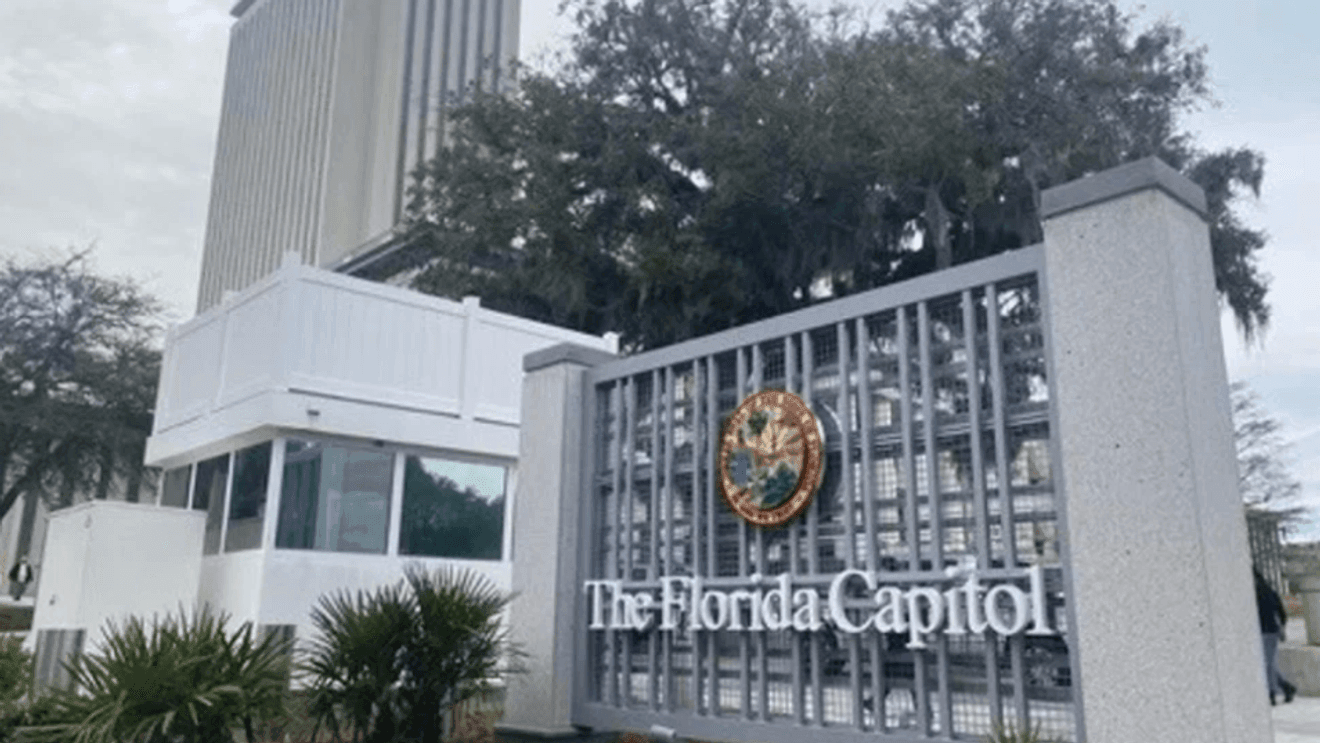
Artificial intelligence is rapidly becoming standard across the insurance world, but Florida Insurance Commissioner Michael Yaworsky is urging lawmakers to ensure companies use it responsibly. Addressing the Senate Banking and Insurance Committee, he emphasized oversight as insurers increasingly rely on AI for underwriting, risk assessment, and customer management.
His message? Innovation is welcome—recklessness is not. Read more from the News Service of Florida.
2026 Real Estate Predictions: A Market Thaw Ahead?
After a frozen 2025 marked by low inventory, elevated prices, and stubborn mortgage rates, analysts predict a possible rebalance in 2026. First‑time buyer participation hit historic lows, with the median buyer age rising to a record 40. If interest rates ease and inventory climbs, buyers may finally feel momentum shift their way.
ADU Bill Could Transform Florida’s Housing Options
A new bill moving through the Senate could require all local governments to allow accessory dwelling units (ADUs) in single‑family zones. These include garage apartments, backyard cottages, and in‑law suites. Senate Bill 48 aims to expand flexibility and improve affordability by widening housing options statewide.
Insurance Premiums Surge in Catastrophe-Prone Regions
Florida remains an outlier as rising catastrophe risks drive home insurance premiums higher. Monroe County leads with an average of $9,400 per year, followed by Broward at $6,865. Coastal communities shoulder the heaviest burden, underscoring the value of strong risk‑management training for professionals.
Southwest Florida Sees Steepest Home Price Dips in the Nation
Cooling demand, rising inventory, and stabilizing insurance rates are pushing Southwest Florida into a price correction. Four of the ten “coolest” U.S. markets now fall within this region, according to the latest Cotality analysis.
1,001 sellers in Central Florida have reduced their home prices—averaging 3.4% cuts. Buyers are finally regaining negotiating power.
Trending Across Florida
Miami Housing Finally Cools
The Case‑Shiller Index shows South Florida home prices dipping year‑over‑year for the first time since 2011. The decline is small—around 1%—but symbolically powerful for one of the nation’s hottest markets.
The University of South Florida’s Muma College of Business plans to launch a new Master of Science in Real Estate by 2027. Student interest is already strong following the success of their undergraduate minor.
If you’re preparing to enter the industry before grad school, Cameron Academy remains one of Florida’s most trusted places to earn your real estate license quickly, affordably, and fully online.
Veteran Housing Expands in Collier County
Warrior Homes of Collier has announced a 10‑unit community designed to house 20 veterans. The nearly $3 million renovation project is supported by PulteGroup, with construction beginning mid‑December.
Over 41% of homebuilders dropped prices in November—the highest rate in five years. Yet many remain optimistic for a stronger 2026, anticipating more demand and more stable costs. Professionals with strong market‑analysis skills may find unique opportunities rising.
As Florida navigates a dynamic and transformative era, one thing is certain: Cameron Academy is here to support your growth with the knowledge, clarity, and credentials you need to thrive in today’s evolving professional landscape.
More Articles
Getting licensed or staying ahead in your career can be a journey—but it doesn’t have to be overwhelming. Grab your favorite coffee or tea, take a moment to relax, and browse through our articles. Whether you’re just starting out or renewing your expertise, we’ve got tips, insights, and advice to keep you moving forward. Here’s to your success—one sip and one step at a time!
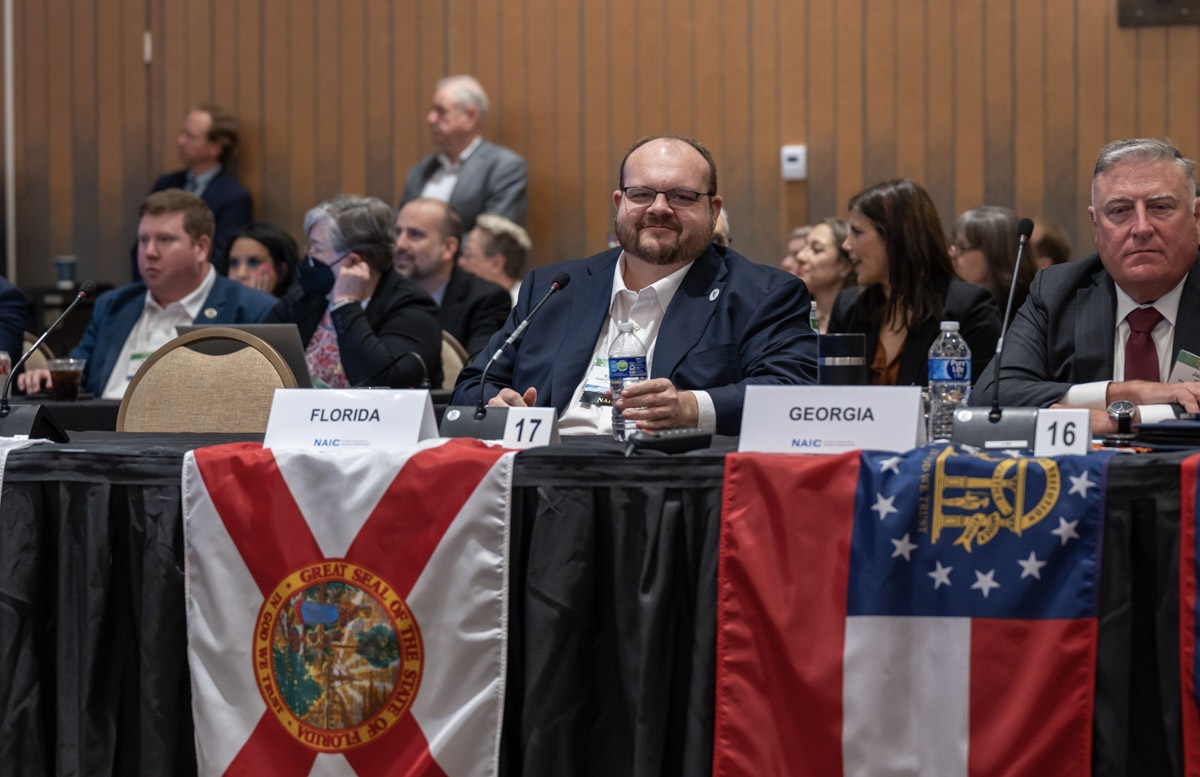
The title insurance industry is entering 2026 with a renewed focus on technology, operational efficiency, and stronger agent support after years of volatility. Leaders from major underwriters report rising transaction activity, improved affordability, and a surge in automation and fraud‑prevention tools—signs that smarter systems and better training will define the next wave of growth.
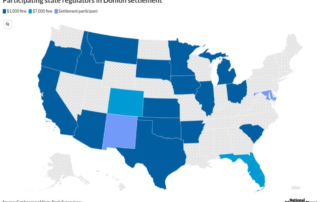
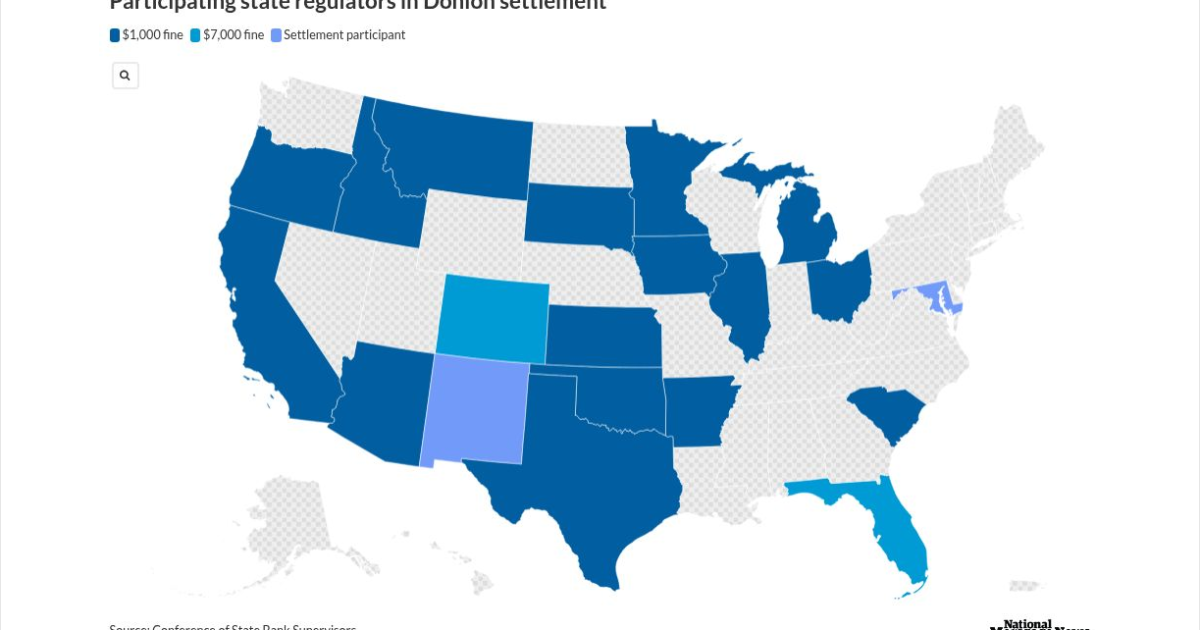
A multistate crackdown has sent shockwaves through the mortgage industry as Patrick Terrance Donlon, CEO of Trusted American Mortgage, accepted a sweeping settlement that bans him from working as a mortgage loan originator in 21 states—19 of them permanently. Regulators say Donlon had another individual complete his mandatory licensing and continuing‑education courses, a violation that triggered a coordinated investigation and a $31,000 penalty. The case underscores regulators’ growing intolerance for education fraud and serves as a sharp reminder to industry professionals: cutting corners on licensing can end careers.
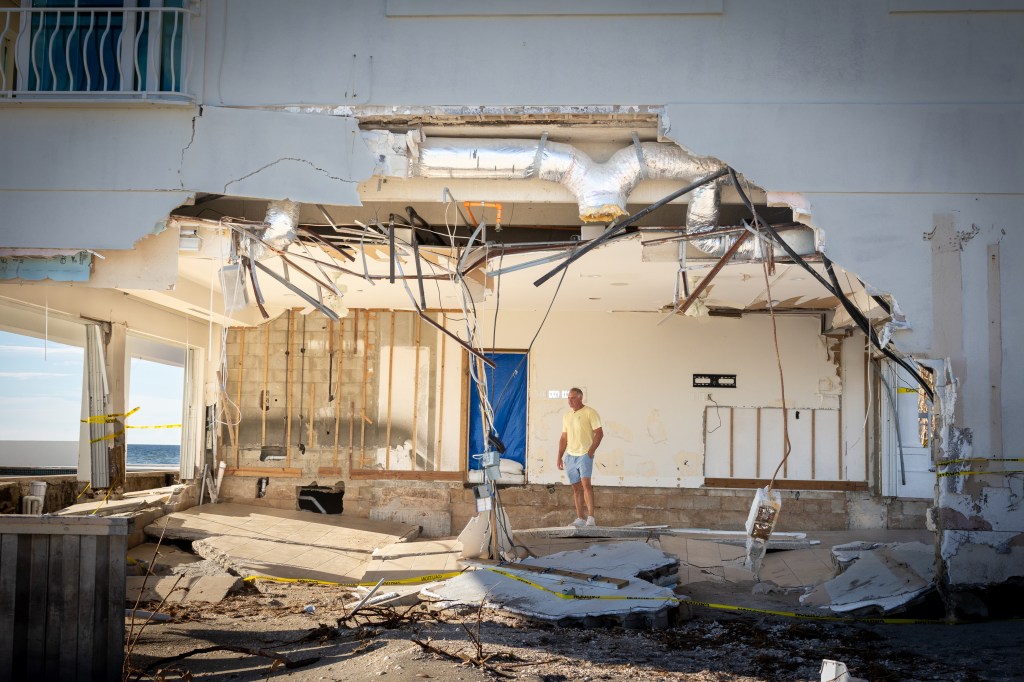
Florida’s once‑booming housing market is cooling fast as rising insurance premiums, increasing foreclosures, and expanding flood zones push buyers to back out of deals and force sellers to cut prices. With insurance now adding thousands to annual housing costs, professionals across real estate, mortgage, and insurance are navigating a dramatically shifting landscape that’s redefining affordability in the Sunshine State.
Florida begins 2026 with a wave of more than 250 new laws now in effect, impacting healthcare, insurance, real estate, and consumer protections statewide. From free breast cancer screenings for state employees to tighter pet insurance regulations, mandatory healthcare refund rules, enhanced animal‑cruelty penalties, and new condo‑management requirements, these updates carry major implications for professionals navigating Florida’s evolving regulatory landscape.
Florida’s barrier islands may offer postcard-perfect beaches and soaring real estate demand, but they’re also some of the most fragile and costly places to build in the United States. With 765,000 residents living on land that shifts, sinks, and takes the brunt of every major hurricane, the financial and insurance risks are accelerating fast. From billion‑dollar beach rebuilds to towers settling into the sand, today’s coastal development challenges are reshaping conversations around property values, disclosure, and long‑term resilience. For real estate professionals, understanding these risks isn’t just smart — it’s becoming essential.
A Cedar City development is turning heads with its fresh approach to affordability. The team behind Temple View Commons is delivering luxury‑inspired twin homes at prices below the local median by using a small, hands‑on staff and cutting traditional costs like realtor commissions. In a tight Utah housing market where inventory is scarce and prices remain high, their strategy offers a realistic path to homeownership without sacrificing high‑end finishes.

 Title Insurance Leaders Double Down on Tech and Efficiency to Drive 2026 Market Momentum Gallery