Florida Real Estate’s Winter Shake-Up: What’s Cooling, What’s Heating Up, and What Professionals Should Watch
Florida’s real estate landscape continues shifting as we close out 2025, and this week’s updates bring a powerful mix of legislation, market cooling, insurance challenges, education expansions, and new housing initiatives statewide. Whether you’re a seasoned pro, an investor, or a student beginning your journey through Cameron Academy, this roundup gives you a sharp look at the forces shaping your field.
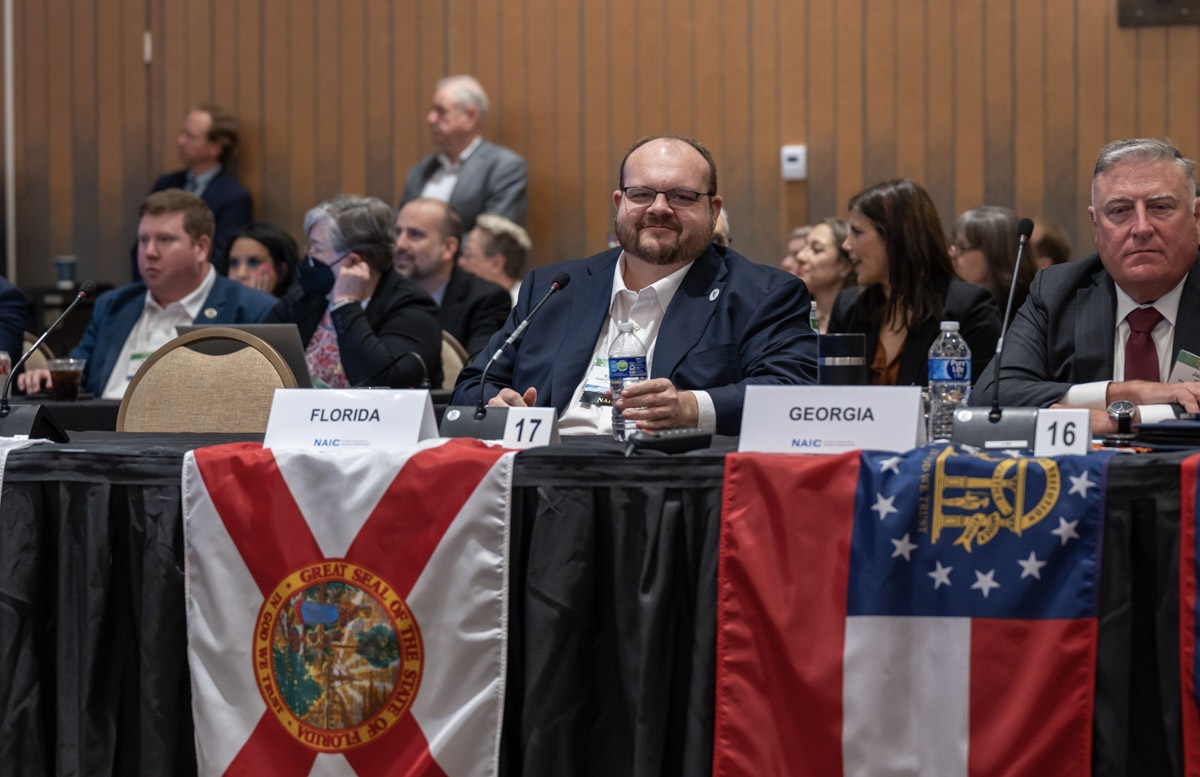
Insurance Commissioner Pushes for Responsible AI Use
Artificial intelligence is rapidly becoming standard across the insurance world, but Florida Insurance Commissioner Michael Yaworsky is urging lawmakers to ensure companies use it responsibly. Addressing the Senate Banking and Insurance Committee, he emphasized oversight as insurers increasingly rely on AI for underwriting, risk assessment, and customer management.
His message? Innovation is welcome—recklessness is not. Read more from the News Service of Florida.
2026 Real Estate Predictions: A Market Thaw Ahead?
After a frozen 2025 marked by low inventory, elevated prices, and stubborn mortgage rates, analysts predict a possible rebalance in 2026. First‑time buyer participation hit historic lows, with the median buyer age rising to a record 40. If interest rates ease and inventory climbs, buyers may finally feel momentum shift their way.
ADU Bill Could Transform Florida’s Housing Options
A new bill moving through the Senate could require all local governments to allow accessory dwelling units (ADUs) in single‑family zones. These include garage apartments, backyard cottages, and in‑law suites. Senate Bill 48 aims to expand flexibility and improve affordability by widening housing options statewide.
Insurance Premiums Surge in Catastrophe-Prone Regions
Florida remains an outlier as rising catastrophe risks drive home insurance premiums higher. Monroe County leads with an average of $9,400 per year, followed by Broward at $6,865. Coastal communities shoulder the heaviest burden, underscoring the value of strong risk‑management training for professionals.
Southwest Florida Sees Steepest Home Price Dips in the Nation
Cooling demand, rising inventory, and stabilizing insurance rates are pushing Southwest Florida into a price correction. Four of the ten “coolest” U.S. markets now fall within this region, according to the latest Cotality analysis.
1,001 sellers in Central Florida have reduced their home prices—averaging 3.4% cuts. Buyers are finally regaining negotiating power.
Trending Across Florida
Miami Housing Finally Cools
The Case‑Shiller Index shows South Florida home prices dipping year‑over‑year for the first time since 2011. The decline is small—around 1%—but symbolically powerful for one of the nation’s hottest markets.
The University of South Florida’s Muma College of Business plans to launch a new Master of Science in Real Estate by 2027. Student interest is already strong following the success of their undergraduate minor.
If you’re preparing to enter the industry before grad school, Cameron Academy remains one of Florida’s most trusted places to earn your real estate license quickly, affordably, and fully online.
Veteran Housing Expands in Collier County
Warrior Homes of Collier has announced a 10‑unit community designed to house 20 veterans. The nearly $3 million renovation project is supported by PulteGroup, with construction beginning mid‑December.
Over 41% of homebuilders dropped prices in November—the highest rate in five years. Yet many remain optimistic for a stronger 2026, anticipating more demand and more stable costs. Professionals with strong market‑analysis skills may find unique opportunities rising.
As Florida navigates a dynamic and transformative era, one thing is certain: Cameron Academy is here to support your growth with the knowledge, clarity, and credentials you need to thrive in today’s evolving professional landscape.
More Articles
Getting licensed or staying ahead in your career can be a journey—but it doesn’t have to be overwhelming. Grab your favorite coffee or tea, take a moment to relax, and browse through our articles. Whether you’re just starting out or renewing your expertise, we’ve got tips, insights, and advice to keep you moving forward. Here’s to your success—one sip and one step at a time!
The latest MBA survey shows overall mortgage applications dipping 1.4% during the holiday week, even as purchase activity rose on a seasonally adjusted basis. Refinances cooled despite lower rates, which averaged 6.32% for a 30‑year fixed. Rising ARMs and shifting buyer behavior highlight a market still trying to stabilize amid softening economic indicators.
October delivered the first year‑over‑year slowdown in commercial real estate deals in nearly two years, signaling a growing disconnect between buyers and sellers as elevated rates and policy uncertainty reshape pricing expectations. While multifamily cooled and office assets traded at steep discounts, hotels and adaptive‑reuse projects stood out as rare bright spots. For professionals across real estate, mortgage, and finance, the shifting landscape underscores the need for sharper analysis and continued education heading into 2026.
The US workers’ compensation market is bracing for a pivotal year in 2026 as medical inflation, rising claim complexity, and tightening state regulations push costs higher for insurers and employers. With cumulative trauma injuries increasing and states expanding presumption laws—especially for first responders and healthcare workers—underwriting strategies are being forced to evolve. At the same time, technology like predictive analytics and workplace wearables is reshaping loss prevention, while more organizations turn to captives and hybrid programs to manage volatility.
Over the past 25 years, Florida Realtors has transformed from a simple support desk into one of the most influential tech ecosystems in real estate. Through member‑driven tools like Tech Helpline, Form Simplicity and the new Sabal Sign platform, the association has built a stable, fully integrated system used by agents across the U.S. and Canada. Free from outside investors and focused entirely on member needs, Florida Realtors has quietly become a tech powerhouse—proving that long-term vision, not venture capital, is what truly drives innovation in the industry.
Massachusetts is poised for a major shift in home‑sale transparency as Gov. Maura Healey pushes for mandatory flood disclosures — a change that could impact buyers, sellers, and real estate professionals statewide. With worsening climate conditions and growing flood damage in communities like Winthrop and Salem, the proposal aims to ensure buyers understand a property’s true risk before they commit. The move has wide support from insurers and municipalities, while the real estate industry remains split over its potential impact on the state’s long‑standing “buyer beware” culture.
Florida’s long‑troubled property insurance market is finally showing early signs of recovery. Thanks to recent legislative reforms that reduced litigation and attracted new insurers, some homeowners are even seeing their premiums drop. These improvements are boosting consumer confidence and creating new opportunities for real estate, mortgage, and insurance professionals across the state.