Florida Revives Push to Regulate Third‑Party Litigation Financing

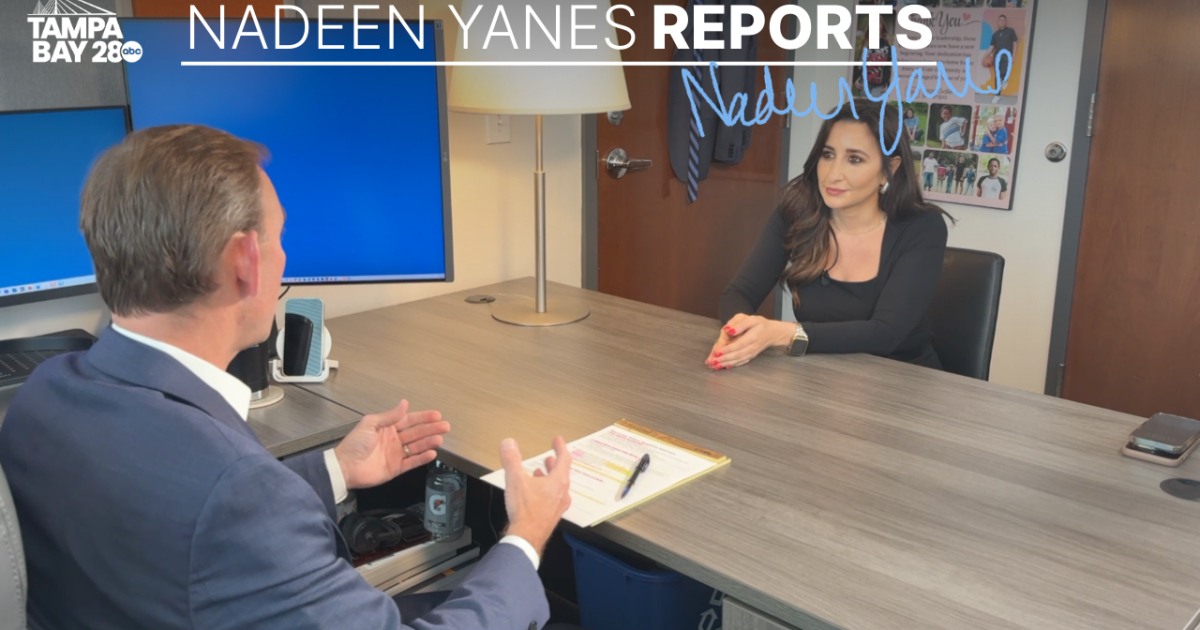
Representative fabian basabe speaking

Florida has stepped once again into the national spotlight with a renewed push to regulate the fast‑growing industry of third‑party litigation financing. Representative Fabian Basabe has introduced House Bill 1157, a proposal designed to reshape how outside investors are allowed to participate in lawsuits across the state.

As legal funding continues expanding nationwide, it’s drawing serious attention from attorneys, insurers, financial experts, and even professionals in real estate and risk‑driven industries. For modern professionals, understanding this shifting landscape is becoming not only useful—but essential.

What HB 1157 Seeks to Change

The bill would require courts to determine whether financing agreements compromise an attorney’s ability to fairly represent clients. It also blocks funders from influencing lawsuit decisions—such as which attorneys are hired or which expert witnesses are chosen.

A key provision would prevent funders from receiving a larger share of a settlement than the plaintiffs themselves. HB 1157 also prohibits referral fees and imposes disclosure rules when foreign entities provide funding.

A Broader National Movement

Florida’s push aligns with ongoing debates nationwide. Washington State is reviewing House Bill 2255, which proposes funder registration, interest caps, limits on investor influence, and full transparency for all legal parties involved.

As more states tighten regulations, professionals in law, insurance, finance, and real estate should stay informed. These changes could shift settlement strategies, insurance pricing, and risk models across multiple sectors.

Why It Matters to Professionals

Litigation funding impacts far more than lawyers. Investors, insurers, brokers, and business owners alike feel the ripple effects of how lawsuits are financed. In a dynamic regulatory environment like Florida, professionals must remain aware of these changes to navigate their industries successfully.

That’s why continued education is so critical. At Cameron Academy, where thousands train to elevate their careers, we emphasize tracking legislation that affects licensing, compliance, and professional practice across multiple fields.

Tap to Explore: What Exactly Is Litigation Funding?

Litigation funding occurs when third‑party investors provide financial support to plaintiffs or law firms in exchange for a portion of any settlement or judgment. Supporters say it expands access to justice; critics argue it risks influencing legal strategy or creating conflicts of interest.


Tap to View Original Source

Read the full article at Insurance Business: Visit Source Article

More Articles

Getting licensed or staying ahead in your career can be a journey—but it doesn’t have to be overwhelming. Grab your favorite coffee or tea, take a moment to relax, and browse through our articles. Whether you’re just starting out or renewing your expertise, we’ve got tips, insights, and advice to keep you moving forward. Here’s to your success—one sip and one step at a time!

Florida Real Estate Pre-License Class Starting April 13, 2026 – Only 9 Seats Left | Cameron Academy Orlando

Cameron Academy's state-approved 63-hour Florida Real Estate Sales Associate Pre-License Course begins April 13, 2026 at the Dr. Phillips campus in Orlando. Attend in person or join live via Zoom. Morning schedule, expert instruction, and only 14 seats remaining. Enroll now before this class fills up.

How to Pass the Florida Real Estate Exam on Your First Try (From People Who Did It – With Videos)

The Florida real estate licensing exam is the single biggest gatekeeper between you and a career in one of the nation's most active real estate markets. And the numbers don't sugarcoat it: roughly half of all first-time test-takers in Florida walk out without a passing score. According to data compiled by Colibri Real Estate, Florida's first-time pass rate sits at approximately 51%, with about 41,900 candidates taking the exam each year.

By |March 20, 2026|Categories: Article, Cameron Academy Post|0 Comments

Part-Time vs. Full-Time: Can You Get Your Real Estate License While Working a 9-to-5?

Part-Time vs. Full-Time: Can You Get Your Real Estate License While Working a 9‑to‑5? The honest, data-backed guide to earning your license around a day #ReadMore

By |March 19, 2026|Categories: Article, Cameron Academy Post|0 Comments

Realtor Advocacy Secures Major Wins in Florida’s 2026 Legislative Session

Florida’s 2026 legislative session brought significant victories for real estate professionals, with Realtor advocacy preserving key regulatory structures, strengthening property rights, improving major housing programs, and protecting agents from new liabilities. From blocking the dismantling of the Florida Real Estate Commission to advancing bills that support safer, more transparent transactions, these wins shape a more stable future for Florida agents, brokers, and consumers.

AI Listing Photos Are Becoming Too Real — And Too Misleading

AI‑enhanced listing images are transforming real estate marketing, but they’re also creating a growing trust problem. Tools that once simply brightened rooms can now erase damage, add furniture, or even generate entirely new scenes, fueling a trend known as “housefishing.” As complaints rise and states like California introduce disclosure laws, the industry is being forced to confront a new reality: the more perfect the photos get, the more renters and buyers crave authenticity.

Hurricane Milton Supplemental Claim Deadline Approaches for Florida Homeowners

Florida homeowners hit by Hurricane Milton face an important April 9 deadline to file or reopen supplemental insurance claims. With more than 385,000 claims and over 5.6 billion dollars in losses already reported, experts warn that waiting until construction is completed could leave families without the additional funds they’re owed. An 18‑month window applies to supplemental claims, and missing it could cause insurance companies to deny further reimbursement.