Florida Senate Advances Joe Gruters Plan to Shrink Citizens Property Insurance
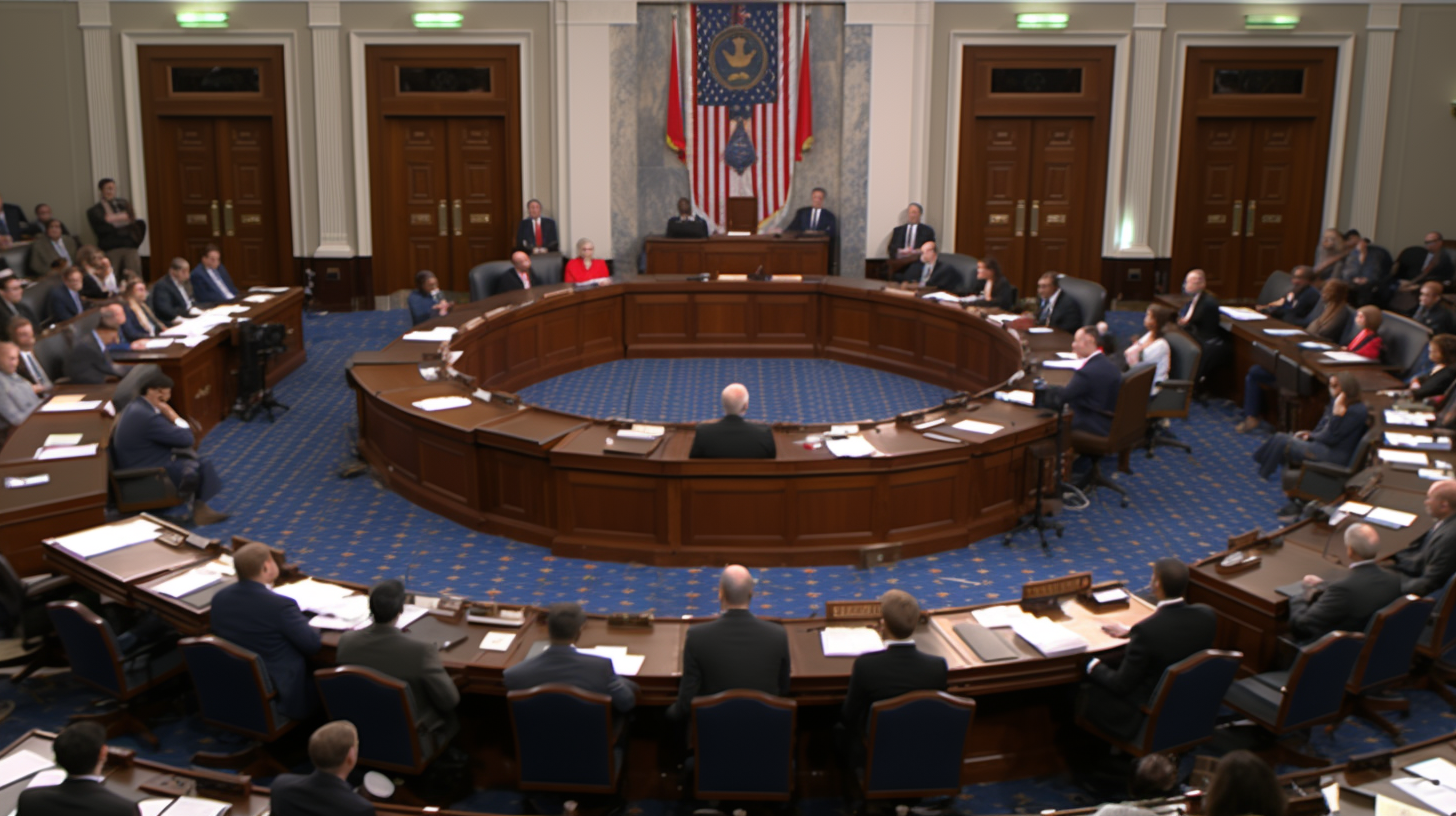
In a major step toward reforming Floridas turbulent property insurance landscape, the state Senate has approved Sarasota Sen. Joe Gruters proposal to push more commercial properties out of the state-run Citizens Property Insurance Corporation and into the private market. The measure now heads to Gov. Ron DeSantis for final approval, marking a significant milestone in a multiyear effort to reduce Floridas exposure to financial risk during major storms.
The House voted 88-19 in favor of SB 1028, which broadens the insurance clearinghouse system and directs certain commercial policyholders toward private insurers when comparable coverage is available. Rep. Mike Redondo, who sponsored the House companion HB 943, emphasized that the bill restores Citizens to its original purpose as an insurer of last resort.
A Push Years in the Making
Florida lawmakers have been working to reduce Citizens size and financial exposure since at least 2014. Created to provide coverage when private insurers would not, Citizens has ballooned in enrollment due to rising premiums, insurer withdrawals, and market instability.
Gruters bill tackles the issue by tightening eligibility rules. Citizens would be prohibited from issuing new coverage for commercial residential and commercial nonresidential risks if a surplus lines clearinghouse insurer offers comparable coverage within 15 percent of the Citizens rate. That threshold is stricter than the current 20 percent benchmark used for personal policies.
How the New Clearinghouse System Will Work
A key component of the legislation is the creation of two separate commercial clearinghouses: one for authorized insurers and another for surplus lines carriers. Commercial applications must first go through the authorized clearinghouse. If no suitable offer appears within five days, only then can the application move to the surplus lines clearinghouse.
Redondo described the bill as a keep-out mechanism rather than a take-out process. This means policies are prevented from entering Citizens when private-market coverage exists rather than being removed midterm. The measure affects commercial policies like condominium association master policies, not individual condo owners.
Billions in Risk Could Shift to the Private Market
Roughly 3,000 commercial Citizens policies, representing about 25 billion dollars in exposure, may become eligible for the clearinghouse system. Supporters argue that shifting these risks to private carriers reduces potential taxpayer liability after catastrophic storms.
Opponents voiced concern about pushing policyholders into the surplus lines market, where rates and coverage forms are less regulated. Redondo responded that coverage must be equal or better than Citizens and emphasized that the Office of Insurance Regulation will oversee the programs approval and operation.
What Happens Next
The bill outlines new rules for insurer and agent interaction with the clearinghouse, updates commission standards, and requires risk information sharing. Citizens must select clearinghouse administrators within 90 days of the laws effective date, and regulators must approve the program within three months of passage.
Because the House approved the Senate version without amendments, the bill now goes directly to Gov. DeSantis. If signed, it will take effect immediately.
Why This Matters for Real Estate Professionals
Staying informed about insurance reform is becoming a powerful advantage for real estate professionals who want to guide clients with confidence and strengthen their expertise.
Changes to Citizens Property Insurance impact more than insurers and lawmakers. They shape market stability, condo association budgets, and commercial development decisions statewide. For real estate professionals, staying informed about insurance shifts is essential to guiding clients, evaluating deals, and anticipating risks.
At Cameron Academy, we make it a priority to keep our students ahead of industry changes like this. Our Florida real estate licensing and continuing education programs emphasize practical knowledge that prepares professionals for real-world challenges, including navigating Floridas evolving insurance market.
Getting licensed or staying ahead in your career can be a journey—but it doesn’t have to be overwhelming. Grab your favorite coffee or tea, take a moment to relax, and browse through our articles. Whether you’re just starting out or renewing your expertise, we’ve got tips, insights, and advice to keep you moving forward. Here’s to your success—one sip and one step at a time!
The Real Estate Board of New York (REBNY) has announced a new policy requiring sellers to directly pay the buyer's agent, effective from January 1. This significant shift aims to enhance transparency and address potential conflicts of interest in real estate transactions. The policy comes amidst ongoing lawsuits related to commission sharing and allegations of unethical practices. The implementation of this policy is expected to impact the real estate industry significantly, with sellers needing to factor in the cost of the buyer's agent commission when pricing their properties.
In a significant development, the U.S. Senate has voted to block the implementation of the Consumer Financial Protection Bureau's (CFPB) small business lending rule. This decision has sparked a heated debate over the impact it may have on small businesses across the country. President Biden, in response, has threatened to veto the Senate's decision, emphasizing his commitment to fair lending practices and supporting small businesses. The CFPB's rule, implemented in October 2020, requires lenders to collect and report data on small business lending. This includes information on the race, sex, and ethnicity of borrowers, with the aim of identifying and addressing potential disparities in access to credit for minority-owned and women-owned small businesses. The Senate's decision to block the CFPB's rule has been celebrated by small business advocates and industry groups critical of the CFPB's regulatory approach. However, the implications of this decision remain uncertain, as President Biden's threatened veto looms large.
The world of real estate has recently been shaken by a wave of class-action commission lawsuits, sparking a contentious debate. These lawsuits demand scrutiny to understand their implications and validity. A primary counter-argument is the freedom of consumer choice. In today's digital age, potential buyers and sellers have access to a wealth of online resources, enabling them to undertake real estate transactions independently. Another critical factor is the negotiability of commissions in the real estate sector. Commission rates are not fixed, they are subject to negotiation between the agent and the client. This flexibility allows for open discussions, leading to mutually agreeable terms. Despite the emergence of discount brokerage firms, consumers continue to place their trust in traditional real estate agents. This preference stems not only from cost considerations but also from the value of expertise, guidance, and personalized service that agents offer. Real estate transactions are complex and often involve significant financial investments. Trusted agents provide invaluable insights, market knowledge, and negotiation skills, helping clients make informed decisions and navigate potential challenges confidently.
In the last two years, the housing market has seen a dramatic shift. Soaring mortgage rates and rising home prices have led to the fastest erosion in housing market affordability in modern history, with first-time homebuyers feeling the impact the most. The housing market has undergone significant changes over the past two years, leading to a substantial increase in the income required to purchase a median-priced home. According to recent data from Redfin, a homebuyer must now earn $114,627 to afford the typical U.S. home. This is a 15% increase from the previous year and more than 50% higher than pre-pandemic levels.
The housing market has shown remarkable resilience in the face of rising mortgage rates. Despite rates reaching 8%, new listings data remains steady, indicating a healthy supply of homes for sale. This stability is a positive sign for both buyers and sellers, demonstrating the strength of the housing market. Despite the increase in mortgage rates, sellers in the housing market have maintained their confidence. This confidence is reflected in the steady new listing data, as sellers continue to list their properties without hesitation. It indicates that sellers believe there is still strong demand from buyers and that the potential financial impact of higher mortgage rates does not outweigh the benefits of selling their homes.
The Real Estate Board of New York (REBNY) has introduced a groundbreaking requirement for sellers to directly compensate buyers' agents. This significant change has the potential to transform the real estate industry, eliminating conflicts of interest and promoting a more client-centric approach. This shift in the compensation landscape aims to create a more transparent and trustworthy environment for buyers. Moreover, this shift towards a client-centric approach aligns with the mission and values of Cameron Academy. As a leading provider of real estate education, Cameron Academy is committed to empowering professionals to navigate the evolving industry landscape and prioritize the best interests of their clients.