Florida’s Property Insurance Shake-Up: Citizens Rates Drop Again — And This Time, It’s Big
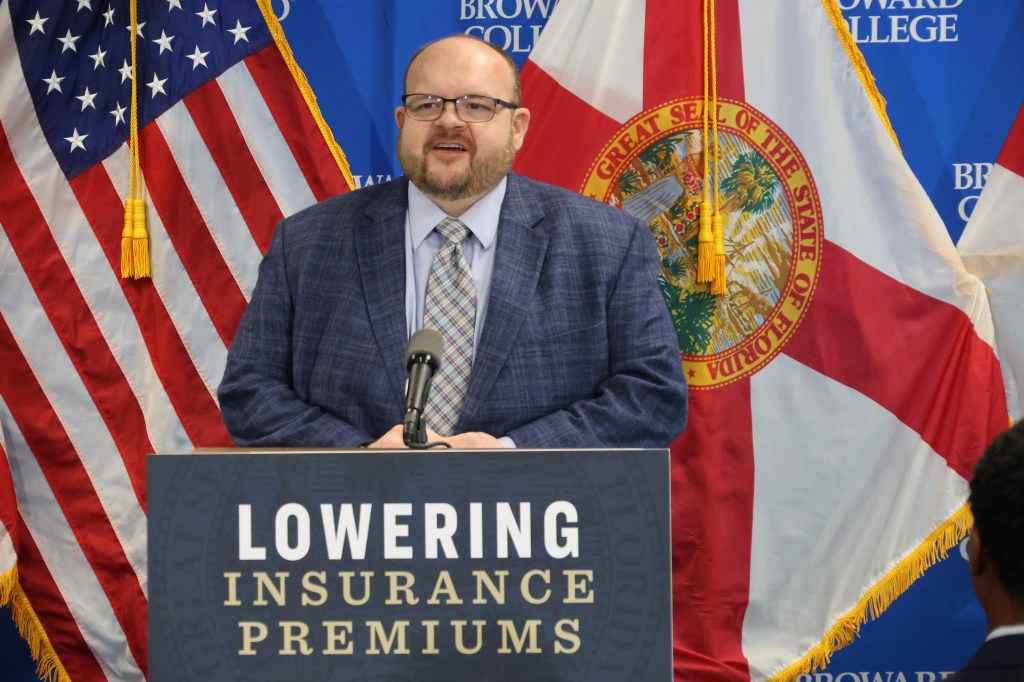
Florida homeowners just received a rare dose of good insurance news. After years of relentless premium hikes, the state‑backed Citizens Property Insurance Corp. is preparing to reduce multiperil homeowners’ rates by an average of 8.7% statewide — a significant jump from the modest 2.6% reduction first announced in December.
This newly revised decrease comes from state regulators and was unveiled by Gov. Ron DeSantis in Davie, who called the original proposal “milquetoast” and pushed for adjustments that more accurately reflect the improving market landscape.
A Historic Drop in a Once-Crushing Market
The fall in rates follows sweeping reforms passed in 2022 and 2023, which sharply limited policyholders’ ability to sue insurers — a shift many analysts credit with stabilizing Florida’s turbulent insurance market. With fewer lawsuits and a calm 2025 hurricane season, the state’s insurance environment is finally showing signs of recovery.
South Florida homeowners, long burdened with the steepest premiums, stand to benefit most. With projected decreases ranging between 11% and 14%, the relief is substantial. Meanwhile, other counties await updated numbers from the Office of Insurance Regulation.
Citizens spokesperson Michael Peltier noted that the insurer itself did not expect such aggressive downward adjustments — highlighting just how sharply regulators chose to act.
Other States Catching Up — But Floridians Still Pay a Premium
Gov. DeSantis emphasized that states like Nebraska and Louisiana now surpass Florida in average homeowners insurance premiums. But despite this shift, surveys consistently reveal that Floridians still feel the weight of high insurance costs.
A few years ago, insurers were rapidly exiting Florida, with some collapsing entirely. Premiums were jumping by as much as one‑third annually. Now, however, the tide has turned: 17 new insurers have entered the market, Citizens has shed more than a million policies, and financial conditions have strengthened across the board.
Auto Insurance Costs Are Falling Too
Florida’s momentum isn’t limited to homeowners policies. Officials highlighted recent auto insurance reductions by Progressive, State Farm, AAA, and USAA — with even rideshare costs like Uber trips dropping as a result.
The Catch: Lower Premiums, But Less Coverage?
Despite the good news, not everyone is celebrating. Attorney Joe Ligman, who represents policyholders in disputes, warns that reduced coverage limits — such as Citizens’ $10,000 cap on most water‑damage claims — could leave homeowners painfully exposed in emergencies.
Other reforms now allow Citizens to move lawsuits into state administrative courts, removing jury trials from the equation and often favoring insurers. Homeowners are getting lower premiums — but only after surrendering significant legal leverage.
Where Things Go Next
As spring renewals begin, homeowners should expect the new rates to roll out. However, rising property values and climbing construction costs may offset some of the savings policyholders hope for.
Florida’s insurance market appears more stable than it has in years — but whether homeowners will feel those savings remains an open question.
For Florida Professionals Tracking These Changes
Insurance trends shape more than homeownership — they influence lending, real estate markets, and long-term property valuations. If you’re building a career in Florida real estate or expanding into mortgage, finance, or insurance, Cameron Academy offers licensing and continuing education programs trusted by professionals statewide.
Explore Florida real estate and insurance licensing at Cameron Academy: cameronacademy.com
Original reporting by the USA TODAY Network Florida.
Read the full source article here: Palm Beach Post.
More Articles
Getting licensed or staying ahead in your career can be a journey—but it doesn’t have to be overwhelming. Grab your favorite coffee or tea, take a moment to relax, and browse through our articles. Whether you’re just starting out or renewing your expertise, we’ve got tips, insights, and advice to keep you moving forward. Here’s to your success—one sip and one step at a time!
Florida’s property insurance market is finally showing signs of recovery after years of soaring premiums, litigation chaos, and insurer withdrawals. With rate increases now the lowest in the nation, Citizens Insurance shrinking, and new carriers re‑entering the state, Insurance Commissioner Michael Yaworsky says the market is turning a corner. But while stabilization is underway, many homeowners are still asking why premiums haven’t dropped—and the answer lies in skyrocketing replacement costs, not rates. As reforms continue and AI, transparency rules, and mitigation incentives expand, real estate and insurance professionals should prepare for an evolving landscape that directly impacts affordability, buyer behavior, and long‑term market confidence.
In a candid conversation with Mortgage Professional America, NAMB president Kimber White lays out a series of structural reforms aimed at restoring homeownership access for millions of Americans. From revitalizing down payment assistance to rethinking loan-level price adjustments and incentivizing builders, White argues that meaningful affordability relief is achievable—but only through coordinated policy changes that address both costs and inventory shortages.
Artificial intelligence is rapidly transforming the insurance world, but a major power struggle is unfolding over who gets to regulate it. As insurers adopt AI at record speed, state regulators and the federal government are clashing over oversight authority—especially after a new executive order aims to put Washington in charge. With states pushing back and new evaluation tools on the horizon, the future of AI in insurance is becoming one of the biggest regulatory battles professionals need to watch.
A new CBRE Investor Intentions Survey shows that 2026 is shaping up to be a strong year for commercial real estate, with 95 percent of investors planning to buy more assets and over half increasing their capital allocation. Stabilizing pricing, improving market fundamentals, and expectations of cooling debt costs are driving renewed optimism as investors target high‑growth markets like Dallas, Atlanta, Tampa, and Charlotte, while doubling down on multifamily, industrial, and value‑add strategies.
Lofty has introduced Lofty AOS, the first agentic AI operating system built to autonomously manage real estate workflows—from lead engagement to marketing, transactions, and website creation. Unlike traditional AI that waits for prompts, Lofty’s system operates like a full digital workforce, coordinating tasks across specialized AI agents. As this technology transforms daily operations for agents and brokerages, professionals with strong training and licensing will become even more essential.
The Federal Reserve has started 2026 by keeping interest rates unchanged, despite political pressure, stubborn inflation, and a cooling job market. While consumers don’t pay the federal funds rate directly, its effects ripple through mortgages, credit cards, auto loans, and savings accounts. Mortgage affordability remains tight, credit card APRs are easing slowly, auto loan balances are climbing, and savings yields are one of the few bright spots. For real estate, mortgage, and finance professionals, understanding these shifts is essential as the market braces for another complex year.