Florida Faces Daunting Recovery After Dual Hurricane Assault
As Hurricane Milton gathered strength in the south-western Gulf of Mexico, Florida braced itself for a second blow in as many weeks. The state, still nursing wounds from the recent wrath of Hurricane Helene, found itself once again in the crosshairs of nature’s fury.
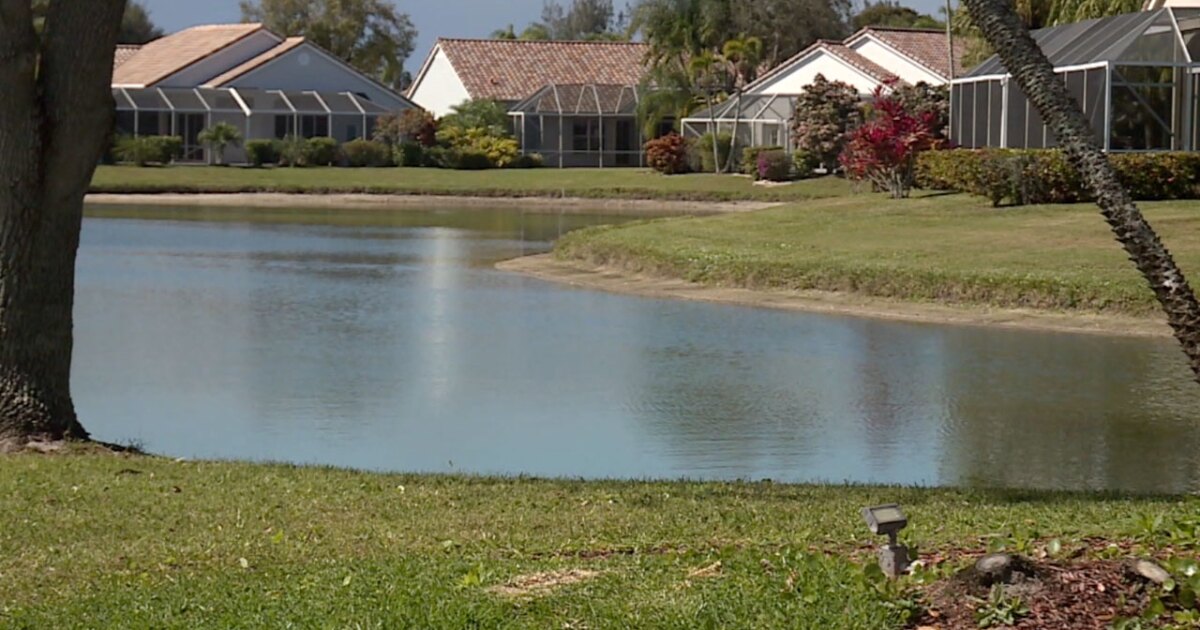
The impact of these consecutive storms has been nothing short of catastrophic. While major urban centers like Tampa and St Petersburg narrowly avoided the worst, other regions along the Gulf coast were not as fortunate. The devastation has been unprecedented, with destruction sweeping through communities, leaving a trail of ruin in its wake.
The human toll is staggering: approximately 250 lives lost, countless homes destroyed, and millions left without power. The financial cost is equally severe, with early estimates placing the damage from Hurricane Milton alone at $160 billion to $180 billion. When combined with the losses from Hurricane Helene, Florida is facing a financial hit nearing half a trillion dollars, a figure that threatens to erase expected economic growth for the coming quarters.
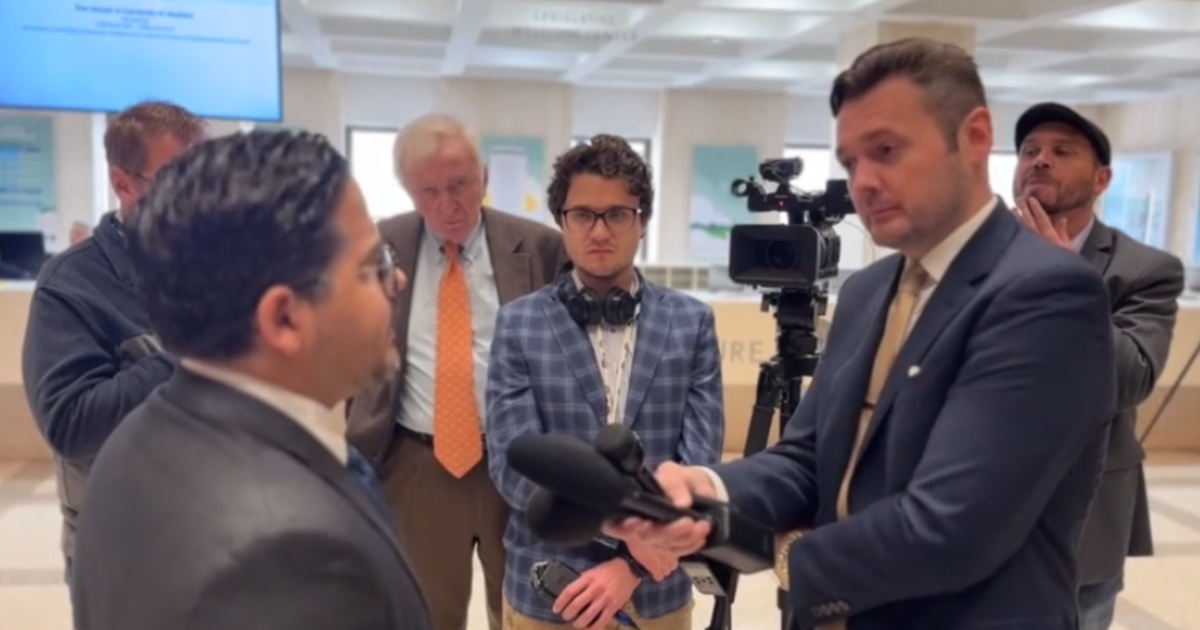
Florida Governor Ron DeSantis, addressing the situation, noted the resilience required to recover from such disasters. “We did not get the worst-case scenario, but we did get hit,” he said, emphasizing the long road to recovery ahead. The state’s experience as the most hurricane-prone region in the nation underscores the challenges that lie ahead.
Even as rescue operations continue, the broader implications of these storms are becoming apparent. The electoral process, already under strain from Hurricane Helene, faces further disruption. Efforts are underway to ensure voting can proceed smoothly, with measures in place to accommodate displaced residents and affected polling sites.
Beyond immediate concerns, the hurricanes’ impact on Florida’s real estate and insurance markets could be profound. The insurance crisis in particular, exacerbated by these events, demands urgent attention. Experts believe these storms could finally prompt legislative action to address systemic issues in the market.
Despite the challenges, the allure of Florida remains strong. The state has historically seen economic growth following hurricanes, and the influx of new residents is unlikely to slow significantly. As Ken Johnson from the University of Mississippi notes, “There’s momentum for business capital to come in, and folks do still want to retire to Florida.”
Conclusion
Florida stands at a crossroads, grappling with the immediate aftermath of two devastating hurricanes while looking ahead to a complex recovery. The resilience of its people and the state’s ability to adapt will be crucial in navigating the challenges ahead.
Getting licensed or staying ahead in your career can be a journey—but it doesn’t have to be overwhelming. Grab your favorite coffee or tea, take a moment to relax, and browse through our articles. Whether you’re just starting out or renewing your expertise, we’ve got tips, insights, and advice to keep you moving forward. Here’s to your success—one sip and one step at a time!
Commercial real estate is undergoing rapid transformation driven by flexible workspaces, booming industrial demand, sustainability priorities, and advanced building technology. As tenant expectations evolve, investors and professionals who adapt to modular work environments, e-commerce driven logistics growth, green building standards, and tech integrated properties will be best positioned for long term success in an increasingly dynamic market.
Florida homeowners are getting long-awaited relief as the state ends its 1 percent insurance surcharge two years ahead of schedule. The charge, originally added after multiple insurer failures, will officially conclude on October 1, saving residents an estimated 650 million dollars. While individual savings average about 31 dollars per policy, the move signals a healthier and more stable insurance market—welcome news for homeowners, buyers, and real estate professionals across the state.
This week’s biggest real estate tech updates are reshaping how agents market listings, how builders present inventory, and how sellers prep their homes. Canva and Rechat now offer a seamless MLS‑to‑marketing workflow, PulteGroup is expanding AI to create consistent digital listings, and Simplify Home is accelerating pre‑listing improvements with pay‑at‑closing options. These innovations highlight a clear trend: real estate pros who embrace smarter tools will move faster and win more business.
A new national analysis shows that where you choose to launch your career can dramatically impact your early financial stability, job growth, and long‑term success. Wyoming, Vermont, and the Dakotas offer the strongest opportunities for entry‑level professionals thanks to abundant jobs and affordable housing. Meanwhile, states like California and Hawaii present steep challenges with extremely limited openings and sky‑high living costs. For those eyeing real estate, mortgage, insurance, or finance careers, Florida remains competitive but promising—and Cameron Academy is ready to help you get licensed and career‑ready no matter where you start.
Florida lawmakers have approved HB 399, a sweeping land‑use overhaul that aims to expand housing supply but has sparked concern over weakened local authority and potential sprawl. Supporters argue the bill will ease affordability pressures, while opponents warn it sidelines voter-approved growth protections and shifts too much power toward developers. The measure now moves to the Senate, positioning it as a pivotal issue for real estate professionals navigating Florida’s evolving regulatory landscape.
A new study shows that buyers in the Florida Keys are gaining more influence over pricing and negotiations, signaling a cooling and maturing market heading into 2026. With increased leverage on the buyer side, real estate professionals must adapt their strategies—sharpening pricing analysis, negotiation skills, and market insights—to stay competitive in a shifting Monroe County landscape.