Florida Faces Daunting Recovery After Dual Hurricane Assault
As Hurricane Milton gathered strength in the south-western Gulf of Mexico, Florida braced itself for a second blow in as many weeks. The state, still nursing wounds from the recent wrath of Hurricane Helene, found itself once again in the crosshairs of nature’s fury.
The impact of these consecutive storms has been nothing short of catastrophic. While major urban centers like Tampa and St Petersburg narrowly avoided the worst, other regions along the Gulf coast were not as fortunate. The devastation has been unprecedented, with destruction sweeping through communities, leaving a trail of ruin in its wake.
The human toll is staggering: approximately 250 lives lost, countless homes destroyed, and millions left without power. The financial cost is equally severe, with early estimates placing the damage from Hurricane Milton alone at $160 billion to $180 billion. When combined with the losses from Hurricane Helene, Florida is facing a financial hit nearing half a trillion dollars, a figure that threatens to erase expected economic growth for the coming quarters.
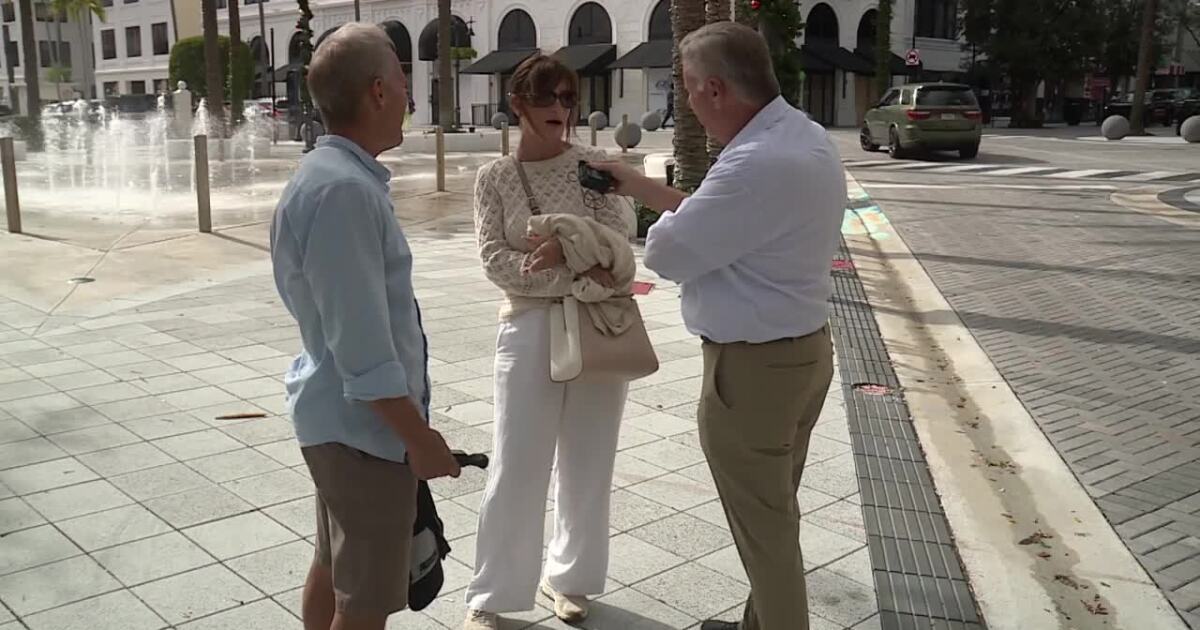
Florida Governor Ron DeSantis, addressing the situation, noted the resilience required to recover from such disasters. “We did not get the worst-case scenario, but we did get hit,” he said, emphasizing the long road to recovery ahead. The state’s experience as the most hurricane-prone region in the nation underscores the challenges that lie ahead.
Even as rescue operations continue, the broader implications of these storms are becoming apparent. The electoral process, already under strain from Hurricane Helene, faces further disruption. Efforts are underway to ensure voting can proceed smoothly, with measures in place to accommodate displaced residents and affected polling sites.
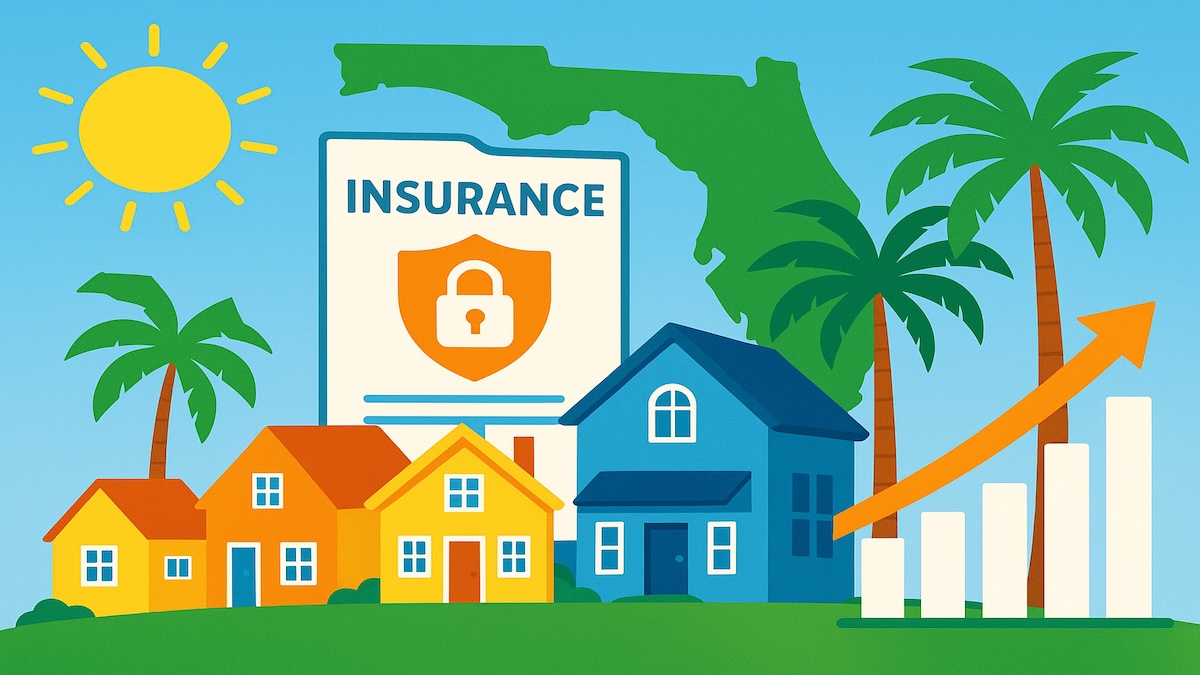
Beyond immediate concerns, the hurricanes’ impact on Florida’s real estate and insurance markets could be profound. The insurance crisis in particular, exacerbated by these events, demands urgent attention. Experts believe these storms could finally prompt legislative action to address systemic issues in the market.
Despite the challenges, the allure of Florida remains strong. The state has historically seen economic growth following hurricanes, and the influx of new residents is unlikely to slow significantly. As Ken Johnson from the University of Mississippi notes, “There’s momentum for business capital to come in, and folks do still want to retire to Florida.”
Conclusion
Florida stands at a crossroads, grappling with the immediate aftermath of two devastating hurricanes while looking ahead to a complex recovery. The resilience of its people and the state’s ability to adapt will be crucial in navigating the challenges ahead.
More Articles
Getting licensed or staying ahead in your career can be a journey—but it doesn’t have to be overwhelming. Grab your favorite coffee or tea, take a moment to relax, and browse through our articles. Whether you’re just starting out or renewing your expertise, we’ve got tips, insights, and advice to keep you moving forward. Here’s to your success—one sip and one step at a time!
President Trump recently suggested mortgage rates will drop “a lot lower” by early 2026, sparking industry-wide curiosity — but current economic data tells a more measured story. With today’s 30‑year fixed hovering near 6.25%, experts say meaningful declines remain possible, though not guaranteed, and would depend on softer inflation, weaker economic signals, or a shift in bond market behavior. While political comments created headlines, analysts emphasize that only market conditions — not rhetoric — can drive rates down. Independent forecasts already point toward mid‑5% rates by 2026, offering a potentially healthier landscape for buyers, agents, and mortgage professionals preparing for the next cycle.
Artificial intelligence has moved from a futuristic concept to a central force driving today’s mortgage industry. From smarter underwriting to enhanced borrower experiences and tighter compliance, AI is transforming every corner of mortgage lending. As expectations rise and competition accelerates, AI literacy is no longer optional — it’s a core skill every mortgage, real estate and finance professional must master to stay relevant and lead confidently.
Global commercial real estate is shifting away from short-term recovery cycles and entering a long-term transformation driven by technology, sustainability, demographic change, and evolving work‑life patterns. Capital is becoming more selective, favoring resilient assets and alternative lenders, while high‑demand sectors such as industrial, logistics, data infrastructure, and specialized residential continue to outperform. Geography, sustainability standards, and flexibility are emerging as defining forces for the next cycle, signaling major opportunities—and challenges—for real estate professionals preparing for the future.
Artificial intelligence has moved from hype to essential infrastructure in the real estate world. From smarter valuations and predictive analytics to automated lead generation and personalized property-matching tools, AI is transforming how agents, brokers, lenders, and managers operate. As top platforms like Zillow, Redfin, Opendoor, and dozens more integrate deep‑learning technology, professionals across real estate, mortgage, insurance, and finance are being pushed to adapt. The future belongs to those who embrace these tools — and use them to elevate speed, accuracy, and client experience.
Florida’s once‑troubled property insurance market has staged an impressive recovery after its near‑collapse in 2022. A new ALIRT Insurance Research report shows that legislative reforms, tighter underwriting and the arrival of new insurers have restored stability, reduced Citizens’ policy load and revived industry confidence. While risks remain, the rebound is reshaping housing affordability and creating fresh opportunities for real estate, mortgage and insurance professionals.
A new bill gaining momentum in Tallahassee would stop insurers from denying claims based solely on artificial intelligence. Championed by Rep. Hillary Cassell, the proposal aims to restore trust in Florida’s troubled insurance market by ensuring human oversight in decisions that affect homeowners, newcomers, and industry professionals. As debates intensify, experts warn AI is reshaping insurance faster than ever—making it critical for real estate, mortgage, and insurance professionals to understand the regulatory shifts ahead.