Florida Faces Daunting Recovery After Dual Hurricane Assault
As Hurricane Milton gathered strength in the south-western Gulf of Mexico, Florida braced itself for a second blow in as many weeks. The state, still nursing wounds from the recent wrath of Hurricane Helene, found itself once again in the crosshairs of nature’s fury.
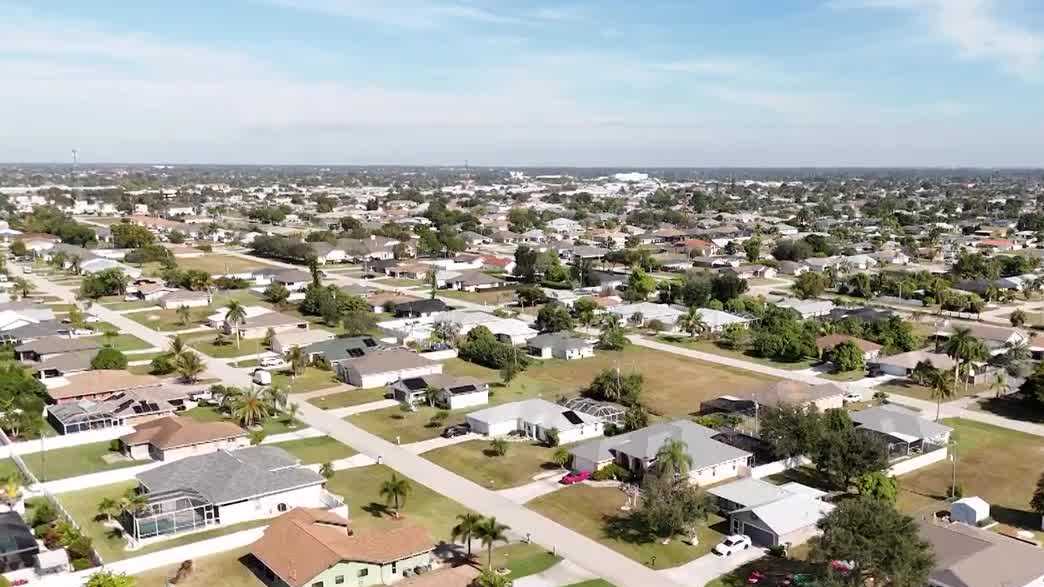
The impact of these consecutive storms has been nothing short of catastrophic. While major urban centers like Tampa and St Petersburg narrowly avoided the worst, other regions along the Gulf coast were not as fortunate. The devastation has been unprecedented, with destruction sweeping through communities, leaving a trail of ruin in its wake.
The human toll is staggering: approximately 250 lives lost, countless homes destroyed, and millions left without power. The financial cost is equally severe, with early estimates placing the damage from Hurricane Milton alone at $160 billion to $180 billion. When combined with the losses from Hurricane Helene, Florida is facing a financial hit nearing half a trillion dollars, a figure that threatens to erase expected economic growth for the coming quarters.
Florida Governor Ron DeSantis, addressing the situation, noted the resilience required to recover from such disasters. “We did not get the worst-case scenario, but we did get hit,” he said, emphasizing the long road to recovery ahead. The state’s experience as the most hurricane-prone region in the nation underscores the challenges that lie ahead.
Even as rescue operations continue, the broader implications of these storms are becoming apparent. The electoral process, already under strain from Hurricane Helene, faces further disruption. Efforts are underway to ensure voting can proceed smoothly, with measures in place to accommodate displaced residents and affected polling sites.
Beyond immediate concerns, the hurricanes’ impact on Florida’s real estate and insurance markets could be profound. The insurance crisis in particular, exacerbated by these events, demands urgent attention. Experts believe these storms could finally prompt legislative action to address systemic issues in the market.
Despite the challenges, the allure of Florida remains strong. The state has historically seen economic growth following hurricanes, and the influx of new residents is unlikely to slow significantly. As Ken Johnson from the University of Mississippi notes, “There’s momentum for business capital to come in, and folks do still want to retire to Florida.”
Conclusion
Florida stands at a crossroads, grappling with the immediate aftermath of two devastating hurricanes while looking ahead to a complex recovery. The resilience of its people and the state’s ability to adapt will be crucial in navigating the challenges ahead.
More Articles
Getting licensed or staying ahead in your career can be a journey—but it doesn’t have to be overwhelming. Grab your favorite coffee or tea, take a moment to relax, and browse through our articles. Whether you’re just starting out or renewing your expertise, we’ve got tips, insights, and advice to keep you moving forward. Here’s to your success—one sip and one step at a time!
Commercial real estate deal activity dipped in October for the first time since early 2024, signaling a widening disconnect between buyer and seller pricing expectations in a high‑rate environment. While overall sales remain strong—and even above 2024 levels—the sharp slowdown in momentum highlights rising caution across sectors. Multifamily saw a steep 27% drop in volume, hospitality was the lone sector to grow, and institutional buyers are increasingly targeting discounted office assets. With mortgage originations rebounding but lenders staying selective, 2026 will hinge on how quickly the market aligns on pricing and capital costs.
New Vanguard research reveals that the real impact of financial advisors goes far beyond market performance. Investors say the greatest value comes from peace of mind, personalized planning, emotional reassurance, and the time saved by having a trusted expert manage their financial life. The study highlights a major shift in what clients truly want: confidence, clarity, and guidance that aligns with their personal definition of financial success.
U.S. self‑storage deals surged nearly $1.6 billion in Q3 2025, marking a 62% year‑over‑year jump and the sector’s strongest resurgence in years. REITs paid steep premiums to lock down top‑tier, land‑restricted markets, while states like Florida, California, and Georgia led all sales. New York City dominated with record‑high pricing of $526 per square foot, underscoring the asset class’s resilience and the renewed appetite for specialty commercial investments heading into 2026.
Nearly half a million Florida homeowners are finally seeing relief as Citizens Insurance plans to reduce premiums by up to 11%. After years of rising costs and limited coverage options, the insurer’s shrinking policy load and reduced risk are allowing meaningful savings—averaging about $400 per year for most customers. With several private carriers also lowering rates, experts say this could mark the beginning of a long‑needed stabilization in Florida’s insurance and real estate markets.
Colorado heads into 2026 with steady economic strength despite slowing population growth. The latest forecast from the Leeds School of Business projects 17,500 new jobs, rising incomes, and GDP growth outpacing the national average. Most major industries will expand, even as migration slows and labor shortages persist.
Layoffs across tech, energy, retail, aviation, and education are redefining the 2025 workforce as companies cut costs and accelerate their adoption of AI. Major employers like Amazon, Meta, UPS, and Chevron are restructuring thousands of roles, signaling one of the most significant employment shifts in years. But while traditional positions shrink, demand is rising in fields tied to AI, data, cybersecurity, compliance, and licensed professions. For workers willing to reskill or pivot—especially into areas like real estate, insurance, finance, or other certification‑based careers—new opportunities continue to grow despite the turbulence.